






Heart Failure Treatment in Dubai

Heart failure is a long-term condition that affects the heart’s ability to pump blood efficiently throughout the body. Although it doesn’t mean the heart has stopped working, untreated heart failure can gradually reduce blood flow to vital organs, leading to symptoms such as shortness of breath, fatigue, swelling in the legs, and reduced exercise tolerance.
With early diagnosis, appropriate treatment, and ongoing medical care, many people with heart failure can successfully manage their symptoms, improve their quality of life, and reduce the risk of serious complications.
At HealthBay Clinic, one of the best cardiology clinics in Dubai, our experienced cardiologists provide comprehensive heart failure diagnosis, treatment, and long-term management using advanced cardiac investigations and personalised care plans. Whether you’ve recently been diagnosed, are experiencing symptoms, or require ongoing monitoring, our team is committed to helping you protect your heart health and maintain an active lifestyle.
What Is Heart Failure?
Heart failure is a chronic cardiovascular condition in which the heart cannot pump enough blood to meet the body’s needs efficiently. As a result, the heart and other organs may not receive sufficient oxygen and nutrients, causing symptoms such as breathlessness, tiredness, swelling of the legs or ankles, and reduced physical endurance. Early diagnosis and appropriate treatment can help control symptoms, slow disease progression, and improve long-term heart health.
Heart failure occurs when the heart muscle becomes too weak or too stiff to pump blood effectively. This may develop gradually over time due to conditions such as coronary artery disease, high blood pressure, heart valve disease, previous heart attacks, or cardiomyopathy.
Although heart failure is a chronic condition, it can often be managed successfully through lifestyle changes, medication, regular monitoring, and specialist cardiology care. Early treatment plays an important role in reducing symptoms, preventing complications, and improving overall quality of life.
Is Heart Failure the Same as a Heart Attack?
No. Although these conditions are closely related, heart failure and a heart attack are not the same.
A heart attack occurs when blood flow to part of the heart muscle is suddenly blocked, causing damage to the heart tissue. Heart failure, on the other hand, develops when the heart is no longer able to pump blood efficiently enough to meet the body’s needs. In some cases, a heart attack can damage the heart muscle and increase the risk of developing heart failure later.
| Heart Failure | Heart Attack |
|---|---|
| A long-term condition affecting the heart’s pumping ability. | A sudden medical emergency caused by blocked blood flow to the heart. |
| Usually develops gradually over time. | Occurs suddenly and requires immediate treatment. |
| Causes symptoms such as breathlessness, fatigue, and swelling. | Commonly causes severe chest pain, sweating, nausea, and shortness of breath. |
| Often managed with medication, lifestyle changes, and ongoing cardiology care. | Requires urgent emergency treatment to restore blood flow. |
Heart failure is a chronic condition that requires ongoing management, while a heart attack is a medical emergency. If you experience sudden chest pain or symptoms of a heart attack, seek emergency medical care immediately.
Why Heart Failure Should Never Be Ignored
Heart failure is a progressive condition that can worsen over time if left untreated. As the heart becomes less effective at pumping blood, other organs—including the lungs, kidneys, and brain may also be affected.
Early diagnosis and appropriate treatment can help:
- Improve the heart’s pumping efficiency.
- Relieve symptoms such as breathlessness and swelling.
- Reduce the risk of hospitalisation.
- Lower the risk of complications, including heart rhythm disorders and kidney problems.
- Improve quality of life and support long-term heart health.
With regular follow-up and personalised treatment, many people with heart failure continue to lead active and fulfilling lives.
Can Heart Failure Be Treated?
Although heart failure is generally a long-term condition, it can often be managed effectively with the right combination of medical care, lifestyle modifications, and regular monitoring. The goal of treatment is to reduce symptoms, improve heart function where possible, slow disease progression, and help you maintain a better quality of life.
Early diagnosis is key. Seeking specialist cardiology care at the first sign of symptoms allows treatment to begin sooner, helping reduce the risk of complications and improving long-term outcomes.
Symptoms of Heart Failure
Heart failure symptoms often develop gradually and may become more noticeable as the condition progresses. While symptoms vary from person to person, persistent or worsening symptoms should always be evaluated by a cardiologist.
Common symptoms include:
- Shortness of breath during activity or while lying down
- Persistent fatigue or weakness
- Swelling in the feet, ankles, legs, or abdomen
- Rapid or irregular heartbeat (palpitations)
- Persistent cough or wheezing
- Sudden weight gain due to fluid retention
- Reduced ability to exercise or perform daily activities
- Difficulty concentrating or feeling light-headed
Symptoms can develop slowly over time or appear suddenly. Early diagnosis can help manage symptoms and reduce the risk of complications.
Types of Heart Failure
Heart failure can affect different parts of the heart and may develop in different ways. Understanding the type of heart failure helps guide the most appropriate treatment.
Left-Sided Heart Failure
The most common type, occurring when the left side of the heart cannot pump blood efficiently to the rest of the body. It often causes shortness of breath and fatigue.
Right-Sided Heart Failure
Develops when the right side of the heart cannot effectively pump blood to the lungs. This often leads to swelling in the legs, ankles, feet, and abdomen.
Congestive Heart Failure (CHF)
A term commonly used when fluid builds up in the lungs or other parts of the body due to reduced heart function. Congestive heart failure may involve the left side, right side, or both sides of the heart.
What Causes Heart Failure?
Heart failure usually develops as a result of conditions that weaken or damage the heart muscle over time.
Common causes include:
- Coronary Artery Disease (CAD)
- High blood pressure (Hypertension)
- Heart valve disease
- Cardiomyopathy (heart muscle disease)
- Irregular heart rhythms (Arrhythmias)
- Congenital heart defects
- Diabetes and other chronic medical conditions
Who Is at Risk of Developing Heart Failure?
Certain health conditions and lifestyle factors increase the risk of heart failure.
You may be at higher risk if you:
- Are over the age of 60
- Have high blood pressure
- Have coronary artery disease
- Have previously had a heart attack
- Live with diabetes
- Have high cholesterol
- Are overweight or obese
- Smoke or use tobacco products
- Consume excessive alcohol
- Have a family history of heart disease
Understanding your risk factors allows your cardiologist to recommend preventive strategies and regular heart health monitoring.
Stages of Heart Failure
Heart failure is generally classified into stages based on the risk of developing the condition and the severity of symptoms.
| Stage | Description |
|---|---|
| Stage A | High risk of heart failure but no structural heart disease or symptoms. |
| Stage B | Structural heart changes are present, but symptoms have not yet developed. |
| Stage C | Structural heart disease with symptoms such as breathlessness, fatigue, or swelling. |
| Stage D | Advanced heart failure with severe symptoms requiring specialised treatment. |
Early diagnosis and treatment during Stages A and B may help slow disease progression and improve long-term outcomes.
Complications of Untreated Heart Failure
Without appropriate treatment, heart failure can gradually worsen and affect multiple organs throughout the body. Early diagnosis and ongoing management can help reduce the risk of serious complications.
| Complication | How It Can Affect Your Health |
|---|---|
| Heart Rhythm Disorders (Arrhythmias) | Increases the risk of irregular heartbeats and sudden cardiac events. |
| Heart Attack | Existing heart disease may increase the likelihood of a heart attack. |
| Stroke | Reduced blood flow and blood clots can increase stroke risk. |
| Kidney Damage | Reduced circulation may impair kidney function over time. |
| Fluid Build-up in the Lungs | Can cause severe breathlessness and breathing difficulties. |
| Persistent Swelling (Oedema) | Fluid retention may affect the legs, ankles, feet, and abdomen. |
| Reduced Quality of Life | Everyday activities may become increasingly difficult due to fatigue and breathlessness. |
Can Heart Failure Be Prevented?
Although not every case of heart failure can be prevented, managing cardiovascular risk factors can significantly reduce your likelihood of developing the condition.
Simple preventive steps include:
- Control your blood pressure.
- Manage cholesterol and diabetes.
- Eat a heart-healthy diet.
- Exercise regularly.
- Maintain a healthy weight.
- Avoid smoking and limit alcohol consumption.
- Attend regular heart check-ups.
- Seek early treatment for existing heart conditions.
Taking proactive steps today can help protect your heart health for years to come.
How Is Heart Failure Diagnosed?
Diagnosing heart failure involves understanding your symptoms, reviewing your medical history, and assessing how well your heart is functioning. Your cardiologist may recommend several tests to confirm the diagnosis, identify the underlying cause, and determine the severity of the condition.
Your evaluation may include:
-
Medical history and symptom review
Physical examination
Blood pressure and heart rate assessment
Blood tests
Cardiac imaging and diagnostic investigations
An early and accurate diagnosis helps guide the most appropriate treatment plan and improve long-term heart health.
What Tests Are Used to Diagnose Heart Failure?
Depending on your symptoms and medical history, your cardiologist may recommend one or more of the following investigations.
| Diagnostic Test | Purpose |
|---|---|
| Electrocardiogram (ECG) | Detects abnormal heart rhythms and signs of previous heart damage. |
| Echocardiogram (Echo) | Evaluates heart structure, pumping function, and heart valve abnormalities. |
| Blood Tests | Assess kidney function, cholesterol, diabetes, and heart failure markers. |
| Chest X-ray | Detects fluid in the lungs and changes in heart size. |
| Exercise Stress Test | Assesses how the heart responds during physical activity, when appropriate. |
| Cardiac CT or MRI (if required) | Provides detailed images of the heart to evaluate its structure and identify underlying conditions. |
Heart Failure Treatment
Although heart failure is a long-term condition, early treatment can help control symptoms, slow disease progression, and improve quality of life. Your cardiologist will develop a personalised treatment plan based on the type and severity of your condition.
Treatment may include:Lifestyle Modifications
- Following a heart-healthy diet
- Reducing salt intake
- Staying physically active within recommended limits
- Maintaining a healthy weight
- Quitting smoking
- Limiting alcohol consumption
- Monitoring your blood pressure and weight regularly
Medications
Your cardiologist may prescribe medications to:
- Improve the heart’s pumping function
- Control blood pressure
- Reduce fluid build-up
- Lower the workload on the heart
- Manage abnormal heart rhythms
Advanced Cardiac Care
For some patients, specialised treatments or procedures may be recommended, including device therapy or referral for advanced cardiac interventions when appropriate.
Living with Heart Failure
Many people with heart failure continue to lead active and fulfilling lives with the right treatment and ongoing care. Following your cardiologist’s recommendations and making healthy lifestyle choices can help improve symptoms and reduce the risk of hospitalisation.
To support long-term heart health:
- Take medications exactly as prescribed.
- Eat a balanced, low-sodium diet.
- Stay physically active as advised by your cardiologist.
- Monitor your weight and report sudden changes.
- Avoid smoking and excessive alcohol consumption.
- Attend regular follow-up appointments.
- Seek medical advice if symptoms worsen.
What to Expect During Your Appointment
Your consultation is focused on identifying the cause of your symptoms and developing the most appropriate treatment plan.
Your appointment may include:
Medical History Review
Your cardiologist will discuss:
- Current symptoms
- Medical and family history
- Previous heart conditions
- Current medications
- Lifestyle habits
Physical Examination
A clinical assessment may include:
- Blood pressure measurement
- Heart rate evaluation
- Heart and lung examination
- Assessment for swelling or fluid retention
Diagnostic Investigations
If required, your cardiologist may recommend investigations such as an ECG, echocardiogram, blood tests, or chest imaging.
Personalised Care Plan
Following your evaluation, you’ll receive:
- A clear explanation of your diagnosis
- Personalised treatment recommendations
- Lifestyle guidance
- Ongoing monitoring and follow-up plan
When Should You See a Cardiologist for Heart Failure?
You should consult a cardiologist if you experience:
- Persistent shortness of breath
- Swelling in the legs, ankles, or feet
- Unexplained fatigue or reduced exercise tolerance
- Rapid or irregular heartbeat
- Sudden weight gain due to fluid retention
- Chest pain or discomfort
- A history of high blood pressure, coronary artery disease, or previous heart attack
- Symptoms that continue to worsen despite treatment
Early assessment can help prevent complications and support better long-term heart health.
Why Choose HealthBay Clinic for Heart Failure Treatment in Dubai?
Managing heart failure requires expert diagnosis, personalised treatment, and ongoing monitoring to help improve heart function and quality of life. At HealthBay Clinic, our experienced cardiologists provide comprehensive care using advanced diagnostic technology and evidence-based treatment plans tailored to each patient’s individual needs.
When you choose HealthBay Clinic, you benefit from:
- Experienced Cardiologists specialising in the diagnosis and management of heart failure.
- Comprehensive Heart Failure Assessment with advanced cardiac investigations.
- Personalised Treatment Plans tailored to your symptoms, heart function, and overall health.
- Modern Cardiac Diagnostic Facilities, including ECG, echocardiography, stress testing, and cardiac imaging.
- Collaborative Multidisciplinary Care when additional specialist support is required.
- Long-Term Heart Health Management with regular follow-up and preventive care.
Whether you’ve recently been diagnosed with heart failure or are seeking a second opinion, our team is committed to helping you manage your condition with confidence and compassion.
Take the Next Step Towards Better Heart Health
Living with heart failure doesn’t mean giving up on an active and fulfilling life. With early diagnosis, personalised treatment, and regular follow-up, many people successfully manage their symptoms and protect their long-term heart health.
At HealthBay Clinic, our experienced cardiologists provide compassionate, evidence-based care to help diagnose, treat, and manage heart failure at every stage. Whether you’re experiencing symptoms, have recently been diagnosed, or are seeking ongoing cardiac care, we’re here to support you with personalised treatment and long-term heart health management.
Take the first step towards better heart health by scheduling a consultation with our experienced cardiology team.
Frequently Asked Questions
Heart failure is a chronic condition in which the heart cannot pump blood efficiently enough to meet the body’s needs. Early diagnosis and ongoing treatment can help manage symptoms and improve quality of life.
No. A heart attack occurs when blood flow to part of the heart is blocked, while heart failure develops when the heart becomes too weak or stiff to pump blood effectively. A previous heart attack can increase the risk of developing heart failure.
Common early symptoms include shortness of breath, fatigue, swelling in the legs or ankles, persistent cough, rapid heartbeat, and reduced ability to exercise.
Heart failure is usually a long-term condition, but it can often be managed successfully with medication, healthy lifestyle changes, and regular follow-up care.
Diagnosis may include a physical examination, ECG, echocardiogram, blood tests, chest X-ray, and other cardiac investigations depending on your symptoms.
Treatment may involve lifestyle modifications, medications, ongoing monitoring, and, in some cases, advanced cardiac procedures or device therapy.
Many people with heart failure continue to lead active and fulfilling lives by following their treatment plan, adopting healthy lifestyle habits, and attending regular follow-up appointments.
You should consult a cardiologist if you experience persistent breathlessness, swelling, fatigue, rapid heartbeat, chest discomfort, or have existing cardiovascular risk factors such as hypertension or coronary artery disease.
Although not all cases can be prevented, controlling blood pressure, managing diabetes and cholesterol, maintaining a healthy lifestyle, and treating heart disease early can significantly reduce the risk.
HealthBay Clinic provides comprehensive heart failure diagnosis, personalised treatment plans, advanced cardiac diagnostics, and long-term follow-up care delivered by experienced cardiologists dedicated to improving your heart health.
Medical Team

Dr. Ala Eldin Farasin
Consultant Interventional Cardiologist & (German Board in Cardiology/Angiology/Intensive care and Internal medicine)
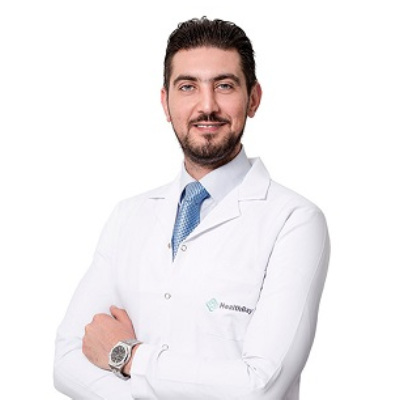
Dr. Gehad El Gergawy, MD
Cardiology & Aviation Cardiology Specialist


