






Heart Attack Treatment in Dubai
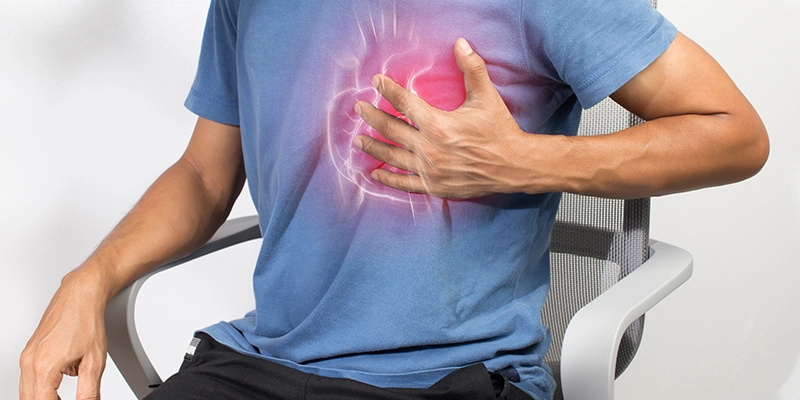
A heart attack is a life-threatening medical emergency that requires immediate diagnosis and treatment. It occurs when blood flow to part of the heart muscle is suddenly blocked, preventing oxygen from reaching the heart. Without prompt medical care, permanent damage to the heart muscle can occur, increasing the risk of serious complications.
Recognising the warning signs early and seeking emergency medical attention can significantly improve outcomes and save lives.
At HealthBay Clinic, our experienced cardiologists provide comprehensive cardiac evaluations, post-heart attack management, and long-term cardiovascular care to help patients recover and reduce the risk of future cardiac events. As a trusted cardiology clinic in Dubai, we focus on personalised treatment plans, advanced cardiac diagnostics, and preventive heart care tailored to each patient’s individual needs.
Whether you’ve experienced a heart attack, have ongoing chest pain, or are concerned about your heart health, our cardiology team is committed to providing compassionate, evidence-based care at every stage of your recovery.
What Is a Heart Attack?
A heart attack (myocardial infarction) occurs when a blocked coronary artery prevents oxygen-rich blood from reaching the heart muscle. Without immediate treatment, the heart muscle can become permanently damaged.
Heart attacks are usually caused by a build-up of plaque and a blood clot. Symptoms may include chest pain, shortness of breath, nausea, fatigue, or pain spreading to the arm, jaw, neck, or shoulder. Prompt medical treatment is essential to restore blood flow, limit heart damage, and improve recovery.
Why Every Minute Matters During a Heart Attack
During a heart attack, every minute without treatment increases the amount of damage to the heart muscle. The faster blood flow is restored, the greater the chance of preserving heart function and reducing long-term complications.
Seeking immediate medical attention can help:
- Restore blood flow to the heart as quickly as possible.
- Reduce permanent damage to the heart muscle.
- Lower the risk of heart failure and other complications.
- Improve recovery and long-term heart health.
- Increase the chances of survival.
Can a Heart Attack Be Prevented?
While not every heart attack can be prevented, managing your cardiovascular risk factors can significantly lower your risk.
Simple steps to protect your heart include:
- Managing high blood pressure.
- Controlling cholesterol levels.
- Keeping diabetes well managed.
- Avoiding smoking and tobacco use.
- Exercising regularly.
- Eating a heart-healthy diet.
- Maintaining a healthy weight.
- Attending regular heart check-ups, especially if you have existing cardiovascular risk factors.
Preventive care plays a vital role in reducing the likelihood of heart attacks and supporting lifelong cardiovascular health.
Symptoms of a Heart Attack
Heart attack symptoms can vary from person to person. While chest pain is the most common warning sign, some people particularly women, older adults, and individuals with diabetes may experience less typical symptoms.
Common symptoms include:
- Chest pain, pressure, tightness, or discomfort
- Pain spreading to the arm, shoulder, neck, jaw, or back
- Shortness of breath
- Cold sweats
- Nausea or vomiting
- Dizziness or light-headedness
- Unusual fatigue
- Rapid or irregular heartbeat
Symptoms may develop suddenly or gradually over several minutes. Never ignore persistent or unexplained chest discomfort.
Can a Heart Attack Occur Without Severe Chest Pain?
Yes. Not every heart attack causes intense chest pain. Some people experience mild discomfort or unusual symptoms, making the condition more difficult to recognise.
A heart attack may present as:
- Mild chest discomfort or pressure
- Pain in the jaw, neck, shoulder, or upper back
- Unexplained shortness of breath
- Nausea or indigestion-like discomfort
- Extreme fatigue
- Cold sweats or dizziness
These symptoms are more commonly seen in women, older adults, and people with diabetes.
If you’re unsure whether your symptoms are heart-related, seek immediate medical evaluation. It’s always safer to rule out a heart attack than delay treatment.
What Causes a Heart Attack?
Most heart attacks occur when a coronary artery becomes blocked, preventing oxygen-rich blood from reaching the heart muscle. This blockage is usually caused by the rupture of a fatty plaque inside the artery, followed by the formation of a blood clot.
Common causes include:
- Coronary artery disease (CAD)
- Build-up of cholesterol (atherosclerosis)
- Blood clot blocking a coronary artery
- Coronary artery spasm (less common)
- Rare conditions affecting the coronary arteries
Who Is at Risk of a Heart Attack?
Several medical conditions and lifestyle factors can increase your risk of developing heart disease and experiencing a heart attack.
You may be at higher risk if you:
- Have high blood pressure (hypertension)
- Have high cholesterol
- Live with diabetes
- Smoke or use tobacco products
- Are overweight or obese
- Lead a physically inactive lifestyle
- Have a family history of heart disease
- Are over the age of 45 (men) or 55 (women)
- Experience chronic stress
- Consume excessive alcohol
Understanding and managing these risk factors plays a vital role in preventing future heart attacks.
Silent Heart Attack: What You Need to Know
A silent heart attack occurs with little or no obvious symptoms. Some people mistake the warning signs for indigestion, fatigue, or muscle pain and may not realise they have experienced a heart attack until later medical evaluation.
Possible signs include:
- Mild chest discomfort
- Unexplained fatigue
- Shortness of breath
- Nausea
- Light-headedness
- Pain in the jaw, back, or shoulder
Although symptoms may seem mild, a silent heart attack can still damage the heart muscle and should be treated as seriously as any other heart attack.
What Should You Do If You Think You’re Having a Heart Attack?
If you or someone nearby develops symptoms suggestive of a heart attack:
1. Call Emergency Medical Services Immediately
Do not wait for symptoms to improve or attempt to drive yourself unless absolutely necessary.
2. Stay Calm and Rest
Sit down and avoid physical activity while waiting for emergency medical assistance.
3. Follow Medical Advice
If you have previously been prescribed medication such as nitroglycerin, take it exactly as directed by your doctor.
4. Chew Aspirin Only If Advised
Aspirin may be recommended in certain situations, but it should only be taken if appropriate for your medical condition and advised by a healthcare professional or emergency medical services.
Can Heart Attacks Be Prevented?
Although not every heart attack can be prevented, adopting a heart-healthy lifestyle can significantly reduce your cardiovascular risk.
Preventive measures include:
- Managing blood pressure
- Controlling cholesterol levels
- Keeping diabetes well controlled
- Exercising regularly
- Maintaining a healthy weight
- Eating a balanced, heart-healthy diet
- Avoiding smoking
- Limiting alcohol consumption
- Scheduling regular heart check-ups
Preventive care and early management of cardiovascular risk factors remain the most effective ways to reduce the likelihood of a heart attack.
How Is a Heart Attack Diagnosed?
A heart attack requires immediate medical evaluation to confirm the diagnosis and begin treatment as quickly as possible. Your cardiologist will assess your symptoms, medical history, and clinical findings before recommending the appropriate diagnostic tests.
Early diagnosis helps restore blood flow to the heart, minimise heart muscle damage, and improve recovery outcomes.
Your evaluation may include:
- Review of symptoms and medical history
- Physical examination
- Blood pressure and heart rate assessment
- Electrocardiogram (ECG)
- Blood tests
- Cardiac imaging and other specialised investigations, if required
What Tests Are Used to Diagnose a Heart Attack?
Depending on your condition, one or more of the following investigations may be recommended.
| Diagnostic Test | Purpose |
|---|---|
| Electrocardiogram (ECG) | Detects changes in the heart’s electrical activity that may indicate a heart attack. |
| Blood Tests (Cardiac Biomarkers) | Measure proteins released when the heart muscle is damaged. |
| Echocardiogram (Echo) | Evaluates heart function, pumping ability, and structural abnormalities. |
| Coronary Angiography | Identifies blocked or narrowed coronary arteries. |
| CT Coronary Angiography (when appropriate) | Produces detailed images of the coronary arteries to detect blockages. |
| Chest X-ray | Helps assess the heart and lungs while excluding other causes of chest pain. |
Heart Attack Treatment at HealthBay Clinic
A heart attack is a medical emergency, and treatment focuses on restoring blood flow to the heart as quickly as possible while preventing further damage.
At HealthBay Clinic, our experienced cardiologists provide comprehensive evaluation, post-heart attack management, and long-term cardiovascular care tailored to each patient’s individual needs.
Treatment may include:
Emergency Medical Treatment
Initial treatment may involve medications to:
- Restore blood flow
- Relieve chest pain
- Prevent blood clot formation
- Reduce the workload on the heart
- Stabilise heart rhythm
Coronary Angioplasty and Stenting
If a blocked coronary artery is identified, your cardiologist may recommend coronary angioplasty, a minimally invasive procedure that uses a small balloon to open the blocked artery. In many cases, a stent is placed to help keep the artery open and restore normal blood flow.
Ongoing Medical Management
Following emergency treatment, long-term management may include medications to:
- Reduce the risk of future heart attacks
- Control blood pressure
- Lower cholesterol
- Prevent blood clots
- Improve overall heart function
Recovery After a Heart Attack
Recovery doesn’t end when you leave the hospital. Ongoing medical care and healthy lifestyle changes play an essential role in reducing the risk of another cardiac event and supporting long-term heart health.
Recovery may include:
- Regular cardiology follow-up appointments
- Medication management
- Blood pressure and cholesterol monitoring
- Heart-healthy nutrition
- Gradually increasing physical activity
- Smoking cessation
- Stress management
Every recovery plan is personalised based on your overall health, heart function, and cardiovascular risk factors.
Cardiac Rehabilitation
Cardiac rehabilitation is a medically supervised programme designed to help patients recover safely after a heart attack or other heart conditions.
Depending on your clinical needs, your cardiologist may recommend a rehabilitation programme that includes:
- Personalised exercise guidance
- Heart-healthy lifestyle education
- Nutritional counselling
- Risk factor management
- Emotional wellbeing support
- Long-term cardiovascular monitoring
Cardiac rehabilitation can help improve physical recovery, reduce future cardiovascular risk, and enhance overall quality of life.
Lifestyle Changes to Reduce Heart Attack Risk in Future
Although medical treatment is essential, healthy lifestyle habits play an equally important role in protecting your heart.
Your cardiologist may recommend:
- Following a balanced, heart-healthy diet
- Staying physically active
- Maintaining a healthy weight
- Managing blood pressure, cholesterol, and diabetes
- Avoiding smoking and tobacco products
- Limiting alcohol consumption
- Managing stress effectively
- Scheduling regular heart check-ups
Small, sustainable lifestyle changes can make a significant difference in supporting long-term cardiovascular health.
What to Expect During Your Cardiology Appointment
Whether you’re recovering from a heart attack or seeking a cardiac evaluation, your consultation focuses on understanding your heart health and reducing future cardiovascular risk.
Your appointment may include:
Medical History Review
Your cardiologist will discuss:
- Your symptoms and medical history
- Previous heart conditions or procedures
- Current medications
- Family history of cardiovascular disease
- Lifestyle habits and risk factors
Physical Examination
A comprehensive assessment may include:
- Blood pressure measurement
- Heart rate evaluation
- Heart and lung examination
- General cardiovascular assessment
Diagnostic Evaluation
Depending on your condition, further investigations such as an ECG, echocardiogram, blood tests, or cardiac imaging may be recommended.
Personalised Treatment Plan
Following your evaluation, your cardiologist will provide:
- A clear explanation of your diagnosis
- Personalised treatment recommendations
- Lifestyle advice
- Follow-up care and long-term monitoring
When Should You See a Cardiologist?
You should arrange a cardiology consultation if you:
- Have experienced a previous heart attack.
- Have recurring or unexplained chest pain.
- Experience shortness of breath during activity or at rest.
- Have high blood pressure, diabetes, or high cholesterol.
- Have a family history of heart disease.
- Want to assess your cardiovascular risk.
- Need ongoing monitoring after heart attack treatment.
Early assessment and regular follow-up can help reduce the risk of future heart problems and support better long-term heart health.
Why Choose HealthBay Clinic for Heart Attack Treatment in Dubai?
A heart attack requires immediate medical attention, expert evaluation, and ongoing cardiac care to support recovery and reduce the risk of future cardiovascular events. At HealthBay Clinic, our experienced cardiologists provide comprehensive heart attack evaluation, personalised treatment plans, and long-term heart health management using advanced diagnostic technology and evidence-based care.
When you choose HealthBay Clinic, you benefit from:
- Experienced Cardiologists with expertise in diagnosing and managing heart attacks and other cardiovascular conditions.
- Comprehensive Cardiac Assessment using advanced diagnostic investigations.
- Personalised Treatment Plans tailored to your heart health, risk factors, and recovery goals.
- Advanced Cardiac Diagnostics, including ECG, echocardiography, coronary imaging, and stress testing.
- Preventive Cardiology Services focused on reducing the risk of future heart attacks.
- Collaborative Multidisciplinary Care with access to specialist support when required.
- Compassionate, Patient-Centred Care from diagnosis through long-term recovery.
Whether you’re recovering from a heart attack, experiencing chest pain, or looking to reduce your cardiovascular risk, our team is committed to helping you achieve better heart health through personalised, evidence-based care.
Take the Next Step Towards Better Heart Health with HealthBay
Recovering from a heart attack is an ongoing journey, and continued cardiology care plays an important role in protecting your heart and reducing the risk of future cardiac events. Early diagnosis, appropriate treatment, and regular follow-up can help improve recovery and support long-term cardiovascular wellbeing.
At HealthBay Clinic, our experienced cardiologists provide personalised heart attack management, preventive cardiac care, and comprehensive treatment plans tailored to your individual health needs. Whether you’re seeking a cardiac evaluation, follow-up care, or guidance on reducing your cardiovascular risk, we’re here to support you every step of the way.
Book an Appointment with Our Cardiology Specialists
Take the next step towards better heart health with expert care from the experienced cardiology team at HealthBay Clinic
Frequently Asked Questions
A heart attack occurs when blood flow to part of the heart muscle is blocked, reducing its oxygen supply. Without prompt treatment, the affected heart muscle can become permanently damaged.
Common warning signs include chest pain or pressure, pain spreading to the arm, jaw, neck, shoulder, or back, shortness of breath, nausea, sweating, dizziness, and unusual fatigue. Symptoms may vary between individuals.
Yes. Some people, particularly women, older adults, and individuals with diabetes, may experience milder or atypical symptoms such as fatigue, shortness of breath, nausea, or discomfort in the jaw, back, or shoulders.
Call your local emergency medical services immediately. Do not delay seeking help or attempt to drive yourself unless no other option is available. Prompt treatment is critical to reducing heart muscle damage.
Diagnosis usually involves an ECG, blood tests, a physical examination, and, when required, imaging studies such as echocardiography or coronary angiography to identify blocked arteries.
Treatment depends on the severity of the condition and may include emergency medications, coronary angioplasty with stent placement, ongoing medication, lifestyle modifications, and long-term cardiology follow-up.
Many people recover well after a heart attack with timely treatment, cardiac rehabilitation, healthy lifestyle changes, and regular follow-up with their cardiologist. Recovery varies depending on the extent of heart damage and overall health.
Managing blood pressure, cholesterol, diabetes, maintaining a healthy lifestyle, avoiding smoking, taking prescribed medications, and attending regular cardiology reviews can help lower your risk.
Regular follow-up with a cardiologist is important after a heart attack to monitor your recovery, adjust treatment if needed, and reduce the risk of future cardiovascular events.
HealthBay Clinic offers comprehensive cardiac evaluation, advanced diagnostic technology, personalised treatment plans, and long-term heart care delivered by experienced cardiologists dedicated to helping patients recover and protect their cardiovascular health.
Medical Team

Dr. Ala Eldin Farasin
Consultant Interventional Cardiologist & (German Board in Cardiology/Angiology/Intensive care and Internal medicine)
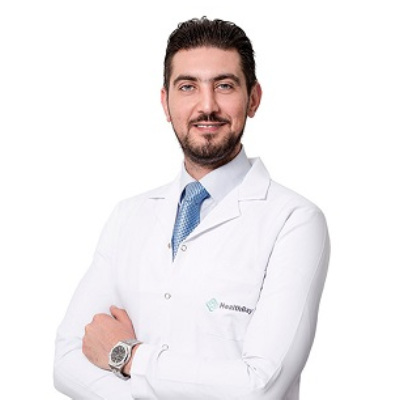
Dr. Gehad El Gergawy, MD
Cardiology & Aviation Cardiology Specialist


