






Chest Pain Treatment in Dubai
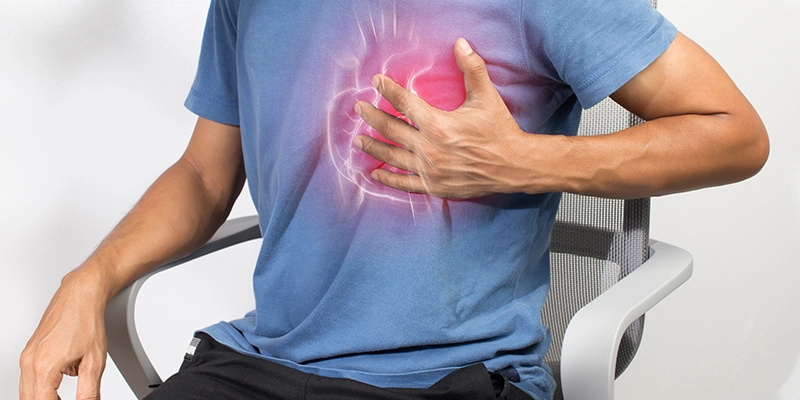
Chest pain can be alarming, but it doesn’t always mean you’re having a heart attack. While some cases are caused by heart-related conditions, others may result from digestive disorders, muscle strain, lung conditions, or anxiety. Understanding the cause is essential, as prompt evaluation can help identify potentially serious conditions and provide appropriate treatment.
At HealthBay Clinic, our experienced cardiology team provides comprehensive chest pain evaluation using advanced diagnostic tests and personalised treatment plans. Whether your symptoms are new, recurring, or unexplained, we focus on identifying the underlying cause and helping you receive the right care as early as possible.
If you’re experiencing persistent, recurrent, or concerning chest pain, don’t ignore it. Early assessment can help protect your heart and provide peace of mind.
What Is Chest Pain?
Chest pain is a symptom rather than a disease itself. It may feel like any discomfort, pressure, tightness, burning, or pain felt in the chest. It can range from mild discomfort to severe pain and may be caused by conditions affecting the heart, lungs, digestive system, muscles, or ribs. While many causes are not life-threatening, chest pain should always be evaluated promptly to rule out serious heart conditions such as angina or a heart attack.
The underlying cause can vary from relatively minor conditions, such as acid reflux or muscle strain, to serious cardiovascular emergencies requiring immediate medical attention. Because the symptoms often overlap, a professional medical evaluation is the safest way to determine the cause.
Is Chest Pain Always Related to the Heart?
No. Although chest pain is commonly associated with heart disease, not every episode is caused by a heart problem. Conditions affecting the lungs, digestive system, muscles, ribs, or even anxiety can produce similar symptoms.
Common causes of chest pain include:
- Heart-related conditions, such as angina, heart attack, or coronary artery disease.
- Digestive disorders, including acid reflux (GERD) and oesophageal spasms.
- Lung conditions, such as pneumonia, pleurisy, or pulmonary embolism.
- Musculoskeletal problems, including muscle strain or inflammation of the chest wall.
- Stress and anxiety, which may cause chest tightness or discomfort similar to heart-related pain.
Because it is difficult to determine the cause based on symptoms alone, any new, persistent, or unexplained chest pain should be assessed by a healthcare professional.
Why Chest Pain Should Never Be Ignored
While many causes of chest pain are not life-threatening, some may indicate a serious heart or lung condition that requires urgent medical attention. Delaying medical evaluation could increase the risk of complications if the pain is related to reduced blood flow to the heart or another emergency condition.
Seek immediate medical attention if your chest pain is:
- Severe, sudden, or worsening.
- Accompanied by shortness of breath.
- Spreading to your arm, shoulder, neck, jaw, or back.
- Associated with sweating, nausea, dizziness, or fainting.
- Occurring during physical activity or emotional stress and improving with rest.
Early diagnosis allows your healthcare team to identify the underlying cause quickly and begin the most appropriate treatment.
If you experience severe chest pain lasting more than a few minutes or symptoms suggestive of a heart attack, call your local emergency services or visit the nearest emergency department immediately.
Can Chest Pain Be a Sign of a Heart Attack?
Yes. Chest pain is one of the most common symptoms of a heart attack, but not every heart attack presents the same way. Some people experience intense pressure or tightness in the chest, while others may notice milder discomfort accompanied by symptoms such as shortness of breath, nausea, cold sweats, dizziness, or pain spreading to the arm, jaw, neck, or back.
Women, older adults, and people with diabetes may experience less typical symptoms, making it even more important to seek medical attention if you have persistent or unexplained chest discomfort.
Prompt evaluation is essential, as early diagnosis and treatment can significantly improve outcomes and reduce the risk of serious complications.
Chest Pain vs Heart Attack: What’s the Difference?
Many people worry that every episode of chest pain means a heart attack. While a heart attack is one possible cause, chest pain can also result from several non-cardiac conditions. The table below highlights some general differences, but only a medical evaluation can determine the exact cause.
| Feature | Heart-Related Chest Pain | Non-Heart-Related Chest Pain |
|---|---|---|
| Sensation | Pressure, heaviness, squeezing, or tightness | Sharp, burning, stabbing, or aching pain |
| Location | Centre or left side of the chest | May be localised to one specific area |
| Pain Radiation | May spread to the arm, jaw, neck, shoulder, or back | Usually remains in one area |
| Common Triggers | Physical activity, emotional stress | Movement, deep breathing, meals, or anxiety |
| Associated Symptoms | Shortness of breath, sweating, nausea, dizziness | Heartburn, tenderness, cough, or muscle pain |
| Medical Attention | Requires urgent evaluation | Should still be assessed if persistent, severe, or unexplained |
What Causes Chest Pain?
Chest pain can result from a variety of conditions affecting the heart, lungs, digestive system, muscles, or even emotional stress. While not all chest pain is heart-related, it should always be evaluated to determine the underlying cause and rule out serious cardiovascular conditions.
Heart-Related Causes
Heart-related chest pain is often caused by reduced blood flow to the heart or other cardiovascular conditions. Common causes include:
- Angina (reduced blood flow to the heart)
- Heart attack (Myocardial Infarction)
- Coronary Artery Disease (CAD)
- Heart valve disease
- Pericarditis (inflammation of the lining around the heart)
Non-Heart-Related Causes
Chest pain may also develop due to conditions affecting other parts of the body, including:
Digestive Conditions
- Acid reflux (GERD)
- Oesophageal spasm
- Gastritis or stomach ulcers
- Gallbladder disease
Lung Conditions
- Pneumonia
- Pleurisy
- Pulmonary embolism
- Pneumothorax (collapsed lung)
Musculoskeletal Conditions
- Muscle strain
- Costochondritis
- Rib injuries
Stress & Anxiety
Anxiety and panic attacks can cause chest tightness, rapid heartbeat, and shortness of breath that may resemble heart-related chest pain.
What Does Heart-Related Chest Pain Feel Like?
Heart-related chest pain can vary from person to person, but it is often described as:
- Pressure, tightness, or heaviness in the chest
- Squeezing or crushing pain
- Pain that spreads to the arm, shoulder, neck, jaw, or back
- Discomfort during physical activity or emotional stress
- Pain accompanied by shortness of breath, sweating, nausea, or dizziness
Not everyone experiences the same symptoms. Women, older adults, and people with diabetes may have less typical signs of heart disease.
Signs You Should Seek Immediate Medical Attention
Seek emergency medical care immediately if you have chest pain:
- Lasts longer than a few minutes.
- Is severe, sudden, or worsening.
- Spreads to your arm, jaw, neck, shoulder, or back.
- Is accompanied by shortness of breath.
- Occurs with sweating, nausea, vomiting, or dizziness.
- Causes fainting or loss of consciousness.
- Develops suddenly after intense physical activity.
If you suspect a heart attack, call your local emergency services or visit the nearest emergency department immediately. Early treatment can save lives.
Other Symptoms That May Accompany Chest Pain
Depending on the underlying cause, chest pain may occur alongside other symptoms that provide important clues about your condition.
These may include:
- CShortness of breath
- CHeart palpitations
- CFatigue or weakness
- CDizziness or light-headedness
- CNausea or vomiting
- CExcessive sweating
- CPersistent cough
- CFever
- CHeartburn or acid reflux
- Pain when breathing deeply
A comprehensive medical evaluation helps identify whether these symptoms are related to your heart or another underlying condition.
Who Is More Likely to Experience Heart-Related Chest Pain?
Although chest pain can affect anyone, certain factors increase the likelihood that it may be related to cardiovascular disease.
You may be at higher risk if you:
- Are over the age of 40.
- Have high blood pressure (hypertension).
- Have high cholesterol.
- Live with diabetes.
- Smoke or use tobacco products.
- Are overweight or physically inactive.
- Have a family history of heart disease.
- Have previously been diagnosed with a heart condition.
If you have one or more of these risk factors and experience chest pain, prompt evaluation by a cardiologist is recommended.
Can Chest Pain Be Prevented?
While not every cause of chest pain can be prevented, adopting a heart-healthy lifestyle can significantly reduce your risk of cardiovascular disease.
Simple steps include:
- Eating a balanced, heart-healthy diet.
- Exercising regularly.
- Maintaining a healthy weight.
- Managing blood pressure, cholesterol, and blood sugar.
- Avoiding smoking.
- Limiting alcohol intake.
- Managing stress effectively.
- Attending regular heart check-ups.
Preventive care plays an important role in protecting your long-term heart health.
How Is Chest Pain Diagnosed?
Diagnosing chest pain begins with identifying its underlying cause. Your cardiologist will assess your symptoms, medical history, lifestyle, and cardiovascular risk factors before recommending the most appropriate investigations.
Your evaluation may include:
- A detailed discussion of your symptoms and medical history
- A physical examination
- Blood pressure and heart rate assessment
- Blood tests (if required)
- Cardiac imaging and diagnostic tests
- Additional investigations based on your symptoms
An accurate diagnosis helps determine whether your chest pain is related to the heart or another medical condition and ensures you receive the most appropriate treatment.
What Tests May Be Recommended?
The tests recommended depend on your symptoms, medical history, and overall cardiovascular risk. Your cardiologist may advise one or more of the following:
| Diagnostic Test | Purpose |
|---|---|
| Electrocardiogram (ECG) | Evaluates the heart’s electrical activity and detects abnormal heart rhythms or signs of a heart attack. |
| Echocardiogram (Echo) | Assesses the heart’s structure, valves, and pumping function. |
| Exercise Stress Test | Evaluates how the heart responds during physical activity. |
| Blood Tests | Detect heart muscle damage, cholesterol levels, diabetes, and other cardiovascular risk factors. |
| Chest X-ray | Helps assess the lungs, heart size, and other chest conditions. |
| CT Coronary Angiography (when indicated) | Provides detailed images of the coronary arteries to identify narrowing or blockages. |
How Is Chest Pain Treated?
Treatment depends entirely on the underlying cause of your chest pain. Once a diagnosis has been confirmed, your cardiologist will develop a personalised treatment plan tailored to your condition.
Treatment may include:
Lifestyle Modifications
- Heart-healthy diet
- Regular physical activity
- Weight management
- Smoking cessation
- Stress reduction
- Blood pressure and cholesterol control
Medications
Depending on the diagnosis, treatment may include medications to:
- Improve blood flow to the heart
- Control blood pressure
- Lower cholesterol
- Manage abnormal heart rhythms
- Relieve symptoms such as angina
Advanced Cardiac Care
If a serious heart condition is identified, your cardiologist may recommend additional investigations or specialised procedures and coordinate ongoing care with the appropriate cardiac specialists.
What to Expect During Your Appointment
Your first consultation is designed to identify the cause of your symptoms and determine the most appropriate next steps.
Your appointment may include:
Medical History Review
Your cardiologist will discuss:
- Your chest pain symptoms
- When the pain started
- What triggers or relieves it
- Personal and family medical history
- Current medications and lifestyle habits
Physical Examination
A clinical examination may include:
- Blood pressure measurement
- Heart rate assessment
- Heart and lung examination
- General cardiovascular assessment
Diagnostic Evaluation
Based on your symptoms, your cardiologist may recommend appropriate investigations such as an ECG, echocardiogram, blood tests, or other cardiac imaging.
Personalised Care Plan
Once your evaluation is complete, you’ll receive:
- A clear explanation of your diagnosis
- Personalised treatment recommendations
- Lifestyle advice
- Follow-up care if required
When Should You See a Cardiologist for Chest Pain?
Although not every episode of chest pain is caused by heart disease, certain symptoms should never be ignored.
You should arrange a cardiology evaluation if you:
- Experience new or recurring chest pain.
- Have chest discomfort during physical activity or emotional stress.
- Notice pain spreading to your arm, jaw, neck, shoulder, or back.
- Have shortness of breath, dizziness, or heart palpitations.
- Have high blood pressure, diabetes, or high cholesterol.
- Have a family history of heart disease.
- Are concerned about your cardiovascular health.
Early assessment can help identify serious heart conditions before complications develop.
Why Early Diagnosis Matters
Many cardiovascular conditions can be managed more effectivelywhen detected early. Prompt evaluation allows your cardiologist to identify the cause of your chest pain, begin appropriate treatment, and reduce the risk of complications such as heart attack, heart failure, or stroke.
Whether your symptoms are heart-related or not, obtaining an accurate diagnosis provides reassurance and helps you make informed decisions about your health.
Why Choose HealthBay Clinic for Chest Pain Evaluation in Dubai?
Choosing the right Cardiology Clinic in Dubai is essential when evaluating chest pain. At HealthBay Clinic, our experienced cardiologists combine advanced diagnostics with evidence-based care to accurately diagnose the cause of your symptoms and recommend the most appropriate treatment. When you choose HealthBay Clinic, you benefit from:
- Experienced Cardiologists specialising in the diagnosis and treatment of heart-related conditions.
- Comprehensive Chest Pain Assessment tailored to your symptoms and cardiovascular risk factors.
- Advanced Cardiac Diagnostics, including ECG, echocardiography, stress testing, and other investigations.
- Personalised Treatment Plans based on your diagnosis and overall heart health.
- Multidisciplinary Care, with access to other specialists when needed.
- Patient-Centred Care focused on accurate diagnosis, timely treatment, and long-term cardiovascular wellbeing.
Whether your chest pain is related to the heart or another medical condition, our team is committed to providing the right care with compassion and clinical excellence.
Conditions Commonly Associated with Chest Pain
Chest pain can be a symptom of several medical conditions, some of which require urgent evaluation. Our cardiologists diagnose and manage a wide range of cardiovascular disorders, including:
- Coronary Artery Disease
- Angina
- Heart Attack (Myocardial Infarction)
- Heart Failure
- Heart Valve Disease
- Heart Rhythm Disorders (Arrhythmias)
- Pericarditis
- Hypertension
If your evaluation suggests a non-cardiac cause, we can also coordinate care with the appropriate specialists for further assessment and treatment.
Take Chest Pain Seriously – Your Heart Deserves Expert Care
Chest pain should never be ignored, especially if it is persistent, recurring, or accompanied by other concerning symptoms. Early diagnosis can help identify serious heart conditions, provide timely treatment, and reduce the risk of future complications.
At HealthBay Clinic, our experienced cardiologists are committed to delivering personalised, evidence-based care using advanced diagnostic technology to accurately evaluate chest pain and recommend the most appropriate treatment.
Book an Appointment with Our Cardiology Specialists If you’re experiencing chest pain or have concerns about your heart health, schedule a consultation with our cardiology team and take the first step towards protecting your cardiovascular wellbeing.
Frequently Asked Questions
No. Chest pain can result from heart conditions, digestive disorders, lung diseases, muscle strain, anxiety, and other medical conditions. However, every new or unexplained episode of chest pain should be assessed by a healthcare professional.
Seek immediate medical attention if your chest pain is severe, lasts more than a few minutes, spreads to your arm, jaw, neck, shoulder, or back, or is accompanied by shortness of breath, sweating, nausea, dizziness, or fainting.
Yes. Anxiety and panic attacks can cause chest tightness, rapid heartbeat, and shortness of breath. Because these symptoms can resemble heart disease, a medical evaluation is recommended to rule out a cardiac cause.
Your cardiologist may recommend a physical examination, ECG, echocardiogram, blood tests, stress testing, or other imaging studies depending on your symptoms and medical history.
Common investigations include an ECG, echocardiogram, blood tests, chest X-ray, stress test, and CT coronary angiography when clinically indicated.
Yes. Gastroesophageal reflux disease (GERD) and other digestive conditions can cause burning chest pain that may resemble heart-related discomfort. A proper evaluation helps determine the underlying cause.
Yes. Women may experience symptoms such as fatigue, nausea, shortness of breath, jaw pain, back pain, or mild chest discomfort rather than severe chest pain alone.
Treatment depends on the underlying cause and may include lifestyle changes, medications, or specialised cardiac procedures if required.
You should consult a cardiologist if you have recurring chest pain, chest discomfort during activity, associated cardiovascular risk factors, or symptoms that remain unexplained.
HealthBay Clinic provides comprehensive chest pain assessment, advanced cardiac diagnostics, experienced cardiologists, and personalised treatment plans to help diagnose the cause of your symptoms and protect your long-term heart health.
Medical Team

Dr. Ala Eldin Farasin
Consultant Interventional Cardiologist & (German Board in Cardiology/Angiology/Intensive care and Internal medicine)

Dr. Gehad El Gergawy, MD
Cardiology & Aviation Cardiology Specialist


