






Medical Retina & Vitreoretinal Disease Management
The retina plays a vital role in vision by receiving light and sending visual information to the brain. Conditions affecting the retina or vitreous can lead to blurred or distorted vision and, in some cases, serious vision loss if left untreated.
At HealthBay, our Ophthalmology department provides specialist assessment and management for a range of retinal and vitreoretinal conditions. Whether you are experiencing unexplained blurry vision, changes in your vision, or have been diagnosed with a retinal condition, a comprehensive eye examination can help identify the underlying cause and determine the appropriate course of care.
What Is Medical Retina?
Medical retina focuses on the diagnosis, monitoring, and non-surgical management of conditions affecting the retina and related structures at the back of the eye.
Retinal conditions can develop gradually or cause sudden changes in vision. Some may be associated with ageing, diabetes, vascular conditions, inflammation, or other underlying health factors. Regular assessment by an ophthalmology specialist can help detect retinal changes early and monitor conditions over time.
What Is Vitreoretinal Disease?
Vitreoretinal diseases affect the retina and/or the vitreous, the clear gel-like substance that fills the inside of the eye.
The retina and vitreous work together as part of the visual system, and problems affecting either structure can interfere with vision. Depending on the condition, management may involve observation, medical treatment, laser-based treatment, injections, or surgery.
A detailed examination by a retinal specialist can help determine the most appropriate approach.
Conditions We Assess and Manage
Medical retina and vitreoretinal care may involve the assessment and management of conditions such as:
- Diabetic retinopathy
- Diabetic macular oedema
- Age-related macular degeneration
- Retinal vascular disorders
- Macular disorders
- Retinal tears
- Retinal detachment
- Vitreous disorders
- Epiretinal membrane
- Posterior vitreous detachment
- Retinal inflammation
- Other retinal and vitreoretinal conditions
The appropriate treatment depends on the specific condition, its severity, the patient’s overall eye health, and other individual factors.
Blurry Vision and Retinal Conditions
Blurred vision can have many possible causes, ranging from refractive errors and dry eye to conditions affecting the retina.
If blurry vision is persistent, unexplained, distorted, or associated with other changes such as flashes, floaters, or a missing area of vision, a comprehensive examination by an eye doctor for blurry vision can help determine whether a retinal problem may be involved. Early assessment is particularly important when vision changes occur suddenly.
Common Symptoms of Retinal Problems
Retinal and vitreoretinal conditions can produce different symptoms depending on the affected area and underlying cause.
Possible symptoms include:
- Blurred or reduced vision
- Distorted or wavy vision
- New or increased floaters
- Flashes of light
- A dark curtain or shadow across the field of vision
- Difficulty seeing in low light
- Changes in central vision
- Loss of peripheral vision
- Sudden changes in visual clarity
Not every retinal condition causes noticeable symptoms in its early stages. Regular eye examinations may therefore be important for people at increased risk of retinal disease.
Diabetic Retinopathy
Diabetes can affect the small blood vessels supplying the retina and may lead to diabetic retinopathy. In some cases, retinal changes may develop without obvious symptoms during the early stages.
People with diabetes should follow recommended eye screening and monitoring schedules. Early detection allows retinal changes to be assessed and managed appropriately.
Age-Related Macular Degeneration
Age-related macular degeneration, or AMD, affects the macula, the central part of the retina responsible for detailed vision.
It can cause changes in central vision, including blurred or distorted vision. Regular monitoring can help identify changes and guide appropriate management.
Retinal Tears and Retinal Detachment
A retinal tear can occur when the retina develops a break, sometimes following changes in the vitreous. If fluid passes through a retinal tear, it can potentially lead to retinal detachment.
Warning signs may include a sudden increase in floaters, flashes of light, or a shadow or curtain appearing across the field of vision.
These symptoms require urgent ophthalmic assessment, as prompt evaluation can be important in protecting vision.
Diagnosis of Retinal Conditions
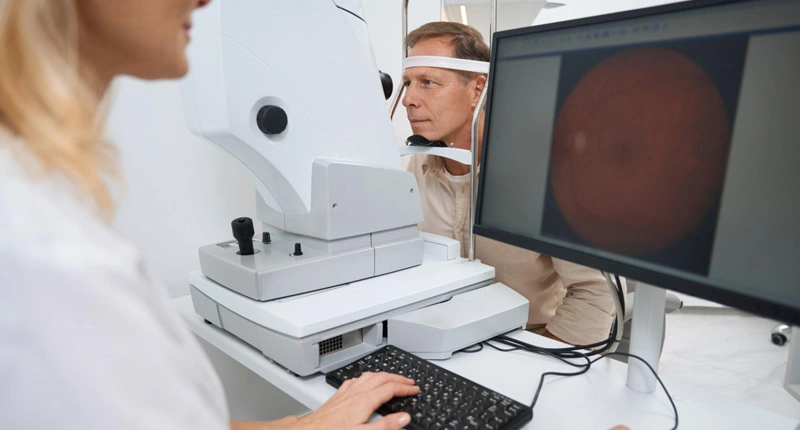
A comprehensive retinal examination allows the ophthalmologist to assess the health of the retina, macula, vitreous, and other structures at the back of the eye.
Depending on the symptoms and suspected condition, assessment may involve:
- Detailed visual assessment
- Dilated eye examination
- Retinal imaging
- Optical coherence tomography (OCT)
- Fundus photography
- Other diagnostic investigations when clinically indicated
The findings help the ophthalmologist understand the condition and determine an appropriate management plan.
Vitreoretinal Eye Surgery in Dubai
Some retinal and vitreous conditions may require surgical intervention. Vitreoretinal eye surgery may be considered for conditions such as retinal detachment, certain retinal tears, vitreous haemorrhage, or other disorders affecting the retina and vitreous.
The need for surgery depends on the specific diagnosis and clinical findings. Your ophthalmologist will discuss the available treatment options, expected benefits, potential risks, and appropriate follow-up based on your individual condition.
Treatment and Management
Management of retinal disease varies depending on the underlying condition and its severity. Depending on the diagnosis, treatment may include:
- Regular monitoring and follow-up
- Prescription medications
- Intravitreal injections when clinically appropriate
- Laser treatment
- Surgical intervention
- Management of underlying health conditions
- Lifestyle and eye-health recommendations
Your ophthalmology specialist will determine the most appropriate treatment approach following a comprehensive assessment.
Why Regular Retinal Eye Care Matters
Some retinal conditions can progress without obvious symptoms. Regular eye examinations can be particularly important for people with risk factors such as diabetes, increasing age, a history of retinal disease, or certain family histories.
Early assessment can help identify retinal changes and allow appropriate monitoring or treatment when necessary.
When Should You See an Ophthalmology Specialist?
You should seek an ophthalmological assessment if you experience:
- Sudden or unexplained blurry vision
- New or increasing floaters
- Flashes of light
- Distorted vision
- Sudden loss of vision
- A dark shadow or curtain in your field of vision
- Changes in central or peripheral vision
Sudden vision loss, a curtain-like shadow, or a sudden increase in flashes and floaters requires urgent medical assessment.
Comprehensive Retinal Eye Care at HealthBay
HealthBay’s Ophthalmology service provides specialist eye care for a range of vision and eye health concerns. Our approach focuses on comprehensive assessment, accurate diagnosis, personalised treatment planning, and appropriate follow-up.
If you are experiencing blurry vision or have been diagnosed with a retinal or vitreoretinal condition, an ophthalmology consultation can help determine the appropriate next steps.
Book an Ophthalmology Consultation in Dubai
Retinal conditions can affect vision in different ways and may sometimes progress without noticeable symptoms. If you have experienced changes in your vision or have concerns about your retinal health, professional assessment can help identify potential problems and guide appropriate care.
Book an appointment with HealthBay’s Ophthalmology team in Dubai for comprehensive retinal and vitreoretinal assessment.
Frequently Asked Questions
A medical retina specialist assesses and manages conditions affecting the retina that may require medical treatment, monitoring, injections, laser treatment, or other interventions. These may include diabetic retinopathy, macular conditions, retinal vascular disorders, and other retinal diseases.
Vitreoretinal disease refers to conditions affecting the retina and/or vitreous, the gel-like substance inside the eye. These conditions can affect vision and may require monitoring, medical treatment, laser treatment, or surgery depending on the diagnosis.
Yes. Certain retinal and macular conditions can cause blurred, distorted, or reduced vision. However, blurry vision can have many causes, so a comprehensive examination by an eye doctor is important for determining the underlying problem.
Sudden flashes of light, a sudden increase in floaters, a dark shadow, or a curtain-like effect across your vision can be warning signs of a retinal tear or detachment. These symptoms require urgent ophthalmic assessment.
You should consider an ophthalmology assessment if blurry vision is persistent, unexplained, sudden, worsening, or accompanied by flashes, floaters, distortion, or other changes in your field of vision.
No. Treatment depends on the specific retinal or vitreoretinal condition, its severity, and other clinical factors. Some conditions can be monitored or treated medically, while others may require laser treatment or surgery.
HealthBay provides ophthalmology services in Dubai for the assessment and management of various eye and vision conditions. An ophthalmology consultation can help determine whether your symptoms require retinal or vitreoretinal evaluation.


