






Glaucoma Screenings & Comprehensive Eye Exams
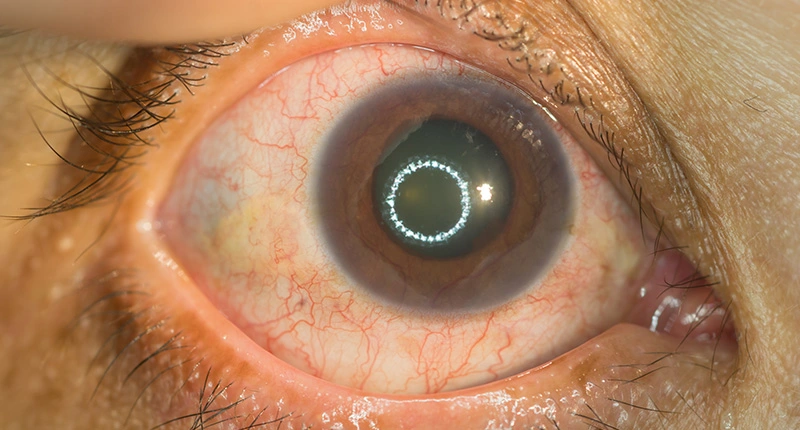
Glaucoma is a group of eye conditions that can damage the optic nerve and gradually affect vision. One of the main challenges with glaucoma is that it can develop slowly, often without noticeable symptoms in its early stages. By the time a person becomes aware of changes in their vision, some optic nerve damage may already have occurred.
Regular glaucoma screening and comprehensive eye examinations in Dubai can help identify changes in eye health, assess glaucoma risk, and monitor vision over time. At HealthBay, our Ophthalmology team provides detailed eye assessments based on your symptoms, medical history, age, family history, and individual risk factors.
What Is Glaucoma?
Glaucoma refers to a group of eye diseases that can progressively damage the optic nerve. The optic nerve carries visual information from the eye to the brain, making its health essential for normal vision.
Eye pressure, also known as intraocular pressure (IOP), is an important factor associated with glaucoma. However, elevated eye pressure does not necessarily mean that a person has glaucoma, and glaucoma can also occur in people whose eye pressure is within the usual range.
For this reason, glaucoma assessment involves more than simply checking eye pressure. An ophthalmologist considers the overall condition of the optic nerve, visual function, eye pressure, and other clinical findings.
Why Is Glaucoma Screening Important?Glaucoma can progress without obvious symptoms, particularly during its early stages. A person may continue to see normally while changes are gradually occurring in the optic nerve or peripheral vision.
A glaucoma screening can help identify people who may be at increased risk and determine whether additional investigation or regular monitoring is needed.
Early assessment is particularly important if you have:
- A family history of glaucoma
- Increasing age
- Diabetes
- High blood pressure
- Previously elevated eye pressure
- Certain other eye conditions
- A history of eye injury
- Long-term use of certain medications, including corticosteroids
Your ophthalmologist can recommend an appropriate screening and follow-up schedule based on your individual risk factors.
Types of Glaucoma
Glaucoma can occur in different forms. The two broad categories include open-angle and angle-closure glaucoma, while other forms can develop because of underlying eye conditions or other factors.
Open-Angle Glaucoma
Open-angle glaucoma is one of the more common forms of glaucoma. It generally develops gradually and may not produce noticeable symptoms during the early stages.
Over time, damage to the optic nerve can affect the visual field. Regular eye examinations can help identify changes before significant vision loss becomes apparent.
Angle-Closure Glaucoma
Angle-closure glaucoma occurs when the drainage angle inside the eye becomes narrowed or blocked, which can cause eye pressure to rise.
An acute episode may develop suddenly and can cause severe eye pain, redness, blurred vision, headaches, nausea, or halos around lights. Sudden severe eye symptoms require urgent medical assessment.
Secondary Glaucoma
Secondary glaucoma can develop as a result of another eye condition, injury, medication, inflammation, or an underlying medical condition. Identifying the cause is important for determining appropriate management.
Glaucoma in Children
Glaucoma can occasionally affect children, although childhood glaucoma is different from the forms commonly seen in adults. Children may require specialised assessment and monitoring when glaucoma is suspected.
What Are the Symptoms of Glaucoma?
Many forms of glaucoma do not cause noticeable symptoms in their early stages. As the condition progresses, a person may experience changes in peripheral vision.
Possible symptoms can include:
- Gradual loss of peripheral vision
- Difficulty seeing objects to the side
- Changes in visual field
- Reduced vision in more advanced stages
Acute forms of glaucoma may cause more sudden symptoms, including:
- Severe eye pain
- Redness
- Blurred vision
- Halos around lights
- Headache
- Nausea or vomiting
If you experience sudden vision changes or severe eye pain, seek urgent medical attention.
What Happens During a Glaucoma Screening?
A glaucoma screening is not limited to checking eye pressure. Your ophthalmologist will consider your symptoms, medical history, family history, medications, and other risk factors before determining which examinations are appropriate.
Depending on your individual needs, your assessment may include:
- Visual Acuity Testing: This evaluates how clearly you can see at different distances and helps identify changes in your visual function.
- Eye Pressure Measurement: Tonometry measures the pressure inside the eye. Although eye pressure is an important glaucoma risk factor, the result needs to be considered alongside other findings.
- Optic Nerve Examination: The optic nerve is examined for structural changes that may be associated with glaucoma.
- Visual Field Assessment: A visual field test evaluates how well you can see within different areas of your field of vision. It can help identify and monitor changes that may be associated with glaucoma.
- Additional Eye Tests: Depending on the examination findings, your ophthalmologist may recommend additional diagnostic tests or imaging to assess the optic nerve, eye structures, or visual function in greater detail.
Comprehensive Eye Exams Beyond Glaucoma
A comprehensive eye examination can provide information about much more than glaucoma.
Depending on your age and individual needs, an ophthalmology assessment may also help identify:
- Refractive errors
- Cataracts
- Dry eye conditions
- Retinal disorders
- Macular changes
- Optic nerve abnormalities
- Eye surface conditions
- Other vision-related problems
This makes regular eye examinations valuable even when you do not have noticeable eye symptoms.
Who Should Consider a Glaucoma Screening?
While glaucoma can affect different people, some individuals may have a higher risk of developing the condition.
You may benefit from regular glaucoma assessment if you:
- Have a parent, sibling, or other close relative with glaucoma
- Are older
- Have diabetes or high blood pressure
- Have previously been told that your eye pressure is high
- Have experienced an eye injury
- Have another eye condition associated with glaucoma
- Use medications that may increase glaucoma risk
- Have noticed changes in your peripheral vision
An ophthalmologist can assess your individual risk and recommend appropriate follow-up.
Glaucoma Monitoring
If you have glaucoma, elevated eye pressure, or findings that suggest an increased risk, regular monitoring may be recommended.
Follow-up assessments allow your ophthalmologist to compare your eye pressure, optic nerve health, visual field, and other findings over time. This can help determine whether the condition is stable or whether further management is required.
The frequency of monitoring depends on the type of glaucoma, its severity, risk factors, treatment, and individual clinical findings.
Glaucoma Treatment and Management
Glaucoma management aims to protect the optic nerve and reduce the risk of further vision loss. The appropriate approach depends on the type and severity of glaucoma and the patient’s overall eye health.
Depending on the diagnosis, management may involve:
- Regular observation and monitoring
- Prescription eye drops
- Laser-based treatment
- Surgical procedures when clinically appropriate
- Management of associated medical or eye conditions
Your ophthalmologist will discuss the most appropriate option based on your examination and individual circumstances.
Treatment is generally aimed at controlling the condition and protecting remaining vision. Vision already lost because of glaucoma cannot usually be restored, which is why early detection and ongoing monitoring are important.
Glaucoma Screening and Eye Care in Dubai
Living with an eye condition or having a family history of glaucoma can make regular eye care particularly important. A comprehensive assessment allows your ophthalmologist to look beyond your immediate symptoms and evaluate the overall health of your eyes.
At HealthBay, our Ophthalmology service provides comprehensive eye examinations, including vision assessment, refraction, eye-pressure measurement, and evaluation of the retina and optic nerve.
Our team can assess your individual concerns and recommend appropriate testing, treatment, or follow-up when required.
When Should You See an Ophthalmologist?
You should consider arranging an eye examination if you:
- Have persistent or unexplained changes in vision
- Experience blurry vision
- Have a family history of glaucoma
- Have been told that your eye pressure is higher than normal
- Notice changes in your peripheral vision
- Have diabetes or another health condition that may affect your eye health
- Have not had a comprehensive eye examination for an extended period
- Are concerned about your general eye health
You should seek urgent medical attention for sudden vision loss, severe eye pain, sudden significant changes in vision, or other acute eye symptoms.
Comprehensive Ophthalmology Care at HealthBay
HealthBay provides ophthalmology services for a range of eye and vision concerns. Our approach combines detailed assessment with personalised recommendations based on each patient’s symptoms, risk factors, and clinical findings.
Whether you are looking for a glaucoma screening in Dubai, a routine eye examination, or an assessment of a recent change in vision, our Ophthalmology team can help evaluate your eye health and guide you on the appropriate next steps.
Book a Glaucoma Screening or Eye Examination in Dubai
Glaucoma may progress without obvious symptoms, making regular eye examinations especially important for people with known risk factors.
If you have concerns about glaucoma, eye pressure, peripheral vision, or your overall eye health, schedule a comprehensive eye examination with HealthBay’s Ophthalmology team in Dubai.
Book an appointment with HealthBay’s ophthalmology team for a professional glaucoma screening and comprehensive eye assessment.
Frequently Asked Questions
Glaucoma refers to a group of eye conditions that can damage the optic nerve and gradually impair vision. Without appropriate management, progressive optic nerve damage can result in permanent vision loss.
Yes. Many forms of glaucoma develop gradually and may not cause noticeable symptoms during the early stages. Regular eye examinations can help identify changes before significant vision loss occurs.
Not necessarily. Elevated eye pressure is an important risk factor, but it does not by itself confirm glaucoma. An ophthalmologist considers eye pressure alongside optic nerve health, visual field results, medical history, and other findings.
Glaucoma assessment may include visual acuity testing, eye-pressure measurement, optic nerve evaluation, visual field testing, and other examinations or imaging when required.
Risk may be higher in people with a family history of glaucoma, increasing age, diabetes, high blood pressure, elevated eye pressure, certain eye conditions, previous eye injury, or other relevant risk factors.
Yes. Depending on the type and severity, glaucoma may be managed with prescription eye drops, laser treatment, surgery, or regular monitoring. The appropriate approach is determined following an ophthalmological assessment.
Vision loss caused by glaucoma is generally permanent. Treatment focuses on controlling the condition and reducing the risk of further optic nerve damage, which is why early detection and regular monitoring are important.
There is no single screening schedule that is suitable for everyone. The recommended frequency depends on your age, family history, medical conditions, eye health, and individual glaucoma risk. Your ophthalmologist can recommend a screening schedule that is appropriate for you.
Sudden severe eye pain, redness, blurred vision, halos around lights, nausea, or sudden vision changes may require urgent assessment. If you experience sudden vision loss or severe eye symptoms, seek medical attention promptly.


