






Dry Eye Syndrome & Climate-Induced Eye Irritation
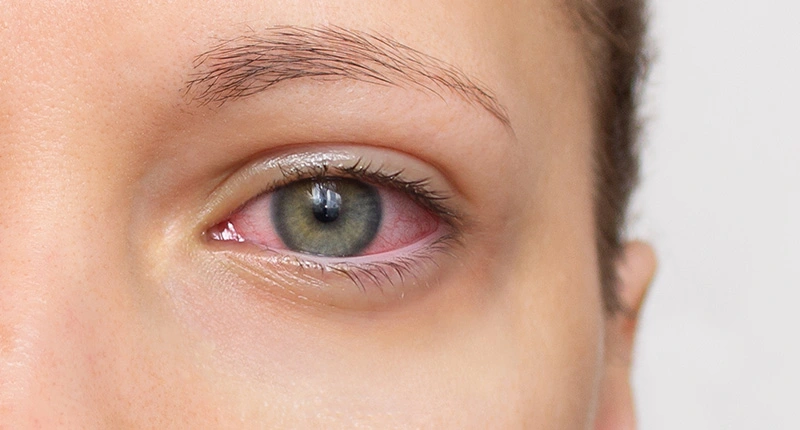
Dry, irritated, burning, or watery eyes can affect your comfort and vision throughout the day. In Dubai, hot and dry weather, dust, wind, and prolonged exposure to air conditioning may contribute to or worsen symptoms of dry eye and eye irritation.
Dry eye syndrome occurs when the eyes do not produce enough tears or when the tear film does not provide adequate lubrication and protection to the surface of the eye. At HealthBay, our Ophthalmology department provides comprehensive assessment and personalised care for people experiencing dry eyes, climate-related eye irritation, and associated vision concerns.
What Is Dry Eye Syndrome?
Dry eye syndrome is a common eye condition that develops when the eyes do not maintain adequate moisture and lubrication. It can occur because of insufficient tear production, excessive tear evaporation, or changes in the quality of the tear film.
Dry eye symptoms may be temporary or persistent and can vary in severity. Some people may experience occasional irritation, while others may have ongoing discomfort that affects their daily activities.
Common symptoms include:
- Dry or gritty sensation in the eyes
- Burning or stinging
- Eye redness and irritation
- Excessive watering
- Sensitivity to light
- Eye fatigue
- Temporary or fluctuating blurry vision
- Feeling as though something is in the eye
- Discomfort when wearing contact lenses
If these symptoms occur frequently or interfere with your everyday activities, consulting a dry eye specialist can help identify the underlying cause.
How Can Dubai’s Climate Affect Your Eyes?
Dubai’s hot and dry climate can expose the eyes to environmental conditions that may contribute to dryness and irritation. Dust, wind, low humidity, and prolonged exposure to air-conditioned environments can increase discomfort in people who are prone to dry eyes.
Air conditioning may reduce moisture in the surrounding environment, while direct airflow toward the eyes can increase tear evaporation. Outdoor exposure to dust and wind may also irritate the surface of the eyes.
However, climate is not the only potential cause of dry eye symptoms. Persistent dryness or irritation may also be associated with other eye conditions, medications, contact lens use, ageing, hormonal changes, or prolonged digital screen use.
Climate-Induced Eye Irritation
Climate-induced eye irritation refers to discomfort or irritation that may be triggered or aggravated by environmental conditions such as heat, dry air, dust, wind, and air conditioning.
You may notice increased symptoms when:
- Spending extended periods outdoors in hot or dusty conditions
- Being exposed to strong winds
- Staying in air-conditioned environments for long periods
- Sitting directly under an air-conditioning vent
- Moving frequently between very different indoor and outdoor environments
- Spending long periods looking at digital screens in dry environments
Identifying and reducing environmental triggers may help improve eye comfort. If symptoms persist, an ophthalmologist can assess your eyes and determine whether another underlying condition may be contributing to the problem.
What Causes Dry Eyes?
Dry eye can have multiple causes and contributing factors. These may include:
- Environmental Exposure: Heat, dry air, wind, dust, and air conditioning can increase irritation and tear evaporation.
- Prolonged Screen Use: Extended computer, smartphone, or tablet use may reduce how frequently you blink, potentially contributing to eye dryness and discomfort.
- Contact Lens Use: Wearing contact lenses for prolonged periods may contribute to dryness or irritation in some individuals.
- Age-Related Changes: Tear production and tear-film stability may change with age, increasing the likelihood of dry eye symptoms.
- Hormonal Changes: Hormonal fluctuations can affect tear production and the composition of the tear film.
- Certain Medications or Health Conditions: Some medications and medical conditions may contribute to dry eye symptoms. A comprehensive assessment can help identify possible contributing factors.
Dry Eye and Blurry Vision
Dry eye syndrome can sometimes cause temporary or fluctuating blurry vision because an unstable tear film can affect the smooth optical surface of the eye.
However, blurry vision can have many different causes and should not automatically be attributed to dry eyes. If you are experiencing persistent or unexplained blurred vision, an examination by an eye doctor for blurry vision can help determine the underlying cause.
How Is Dry Eye Diagnosed?
A dry eye doctor or ophthalmologist will assess your symptoms, medical history, lifestyle, environmental exposure, and overall eye health.
Depending on your symptoms, the evaluation may include an assessment of:
- Tear production
- Tear-film stability
- Eye surface health
- Eyelids and surrounding structures
- Signs of inflammation or irritation
- Vision and refractive errors
- Contact lens use and related factors
A detailed eye examination can help distinguish dry eye from other conditions that may cause redness, discomfort, watering, or blurred vision.
Dry Eye Treatment and Management
The appropriate approach to dry eye treatment in Dubai depends on the underlying cause, severity of symptoms, and overall eye health.
Your ophthalmologist may recommend personalised measures such as:
- Lubricating eye drops when appropriate
- Reducing exposure to environmental irritants
- Avoiding direct airflow from air-conditioning units
- Taking regular breaks during prolonged screen use
- Maintaining regular blinking while using digital devices
- Reviewing contact lens use
- Following appropriate eye-care and hygiene practices
- Other treatments when clinically indicated
Treatment should be based on an appropriate eye examination rather than relying solely on self-diagnosis.
Tips to Reduce Climate-Related Eye Irritation
If you are prone to dry or irritated eyes, some everyday measures may help reduce exposure to common triggers:
- Avoid sitting directly beneath an air-conditioning vent.
- Protect your eyes from excessive dust and wind when outdoors.
- Take regular breaks during prolonged screen use.
- Remember to blink frequently when using digital devices.
- Follow recommended contact lens wearing and hygiene practices.
- Only use eye drops as advised by your eye-care professional.
- Seek professional advice if symptoms become persistent or recurrent.
When Should You See an Eye Doctor?
You should consider an eye examination if you experience:
- Persistent or recurring dry eyes
- Frequent redness or irritation
- Burning or stinging
- Recurrent blurry or fluctuating vision
- Increased sensitivity to light
- Difficulty wearing contact lenses
- Persistent eye discomfort
- Symptoms that interfere with reading, working, driving, or other daily activities
An eye examination is particularly important when symptoms are persistent or when changes in vision cannot be explained. Sudden vision loss, severe eye pain, significant redness, or sudden changes in vision require prompt medical evaluation.
Comprehensive Eye Care at HealthBay
HealthBay’s Ophthalmology team provides comprehensive eye care services in Dubai for a range of vision and eye health concerns. The ophthalmology team includes specialists experienced in the assessment and management of various eye conditions.
Whether you are experiencing dry eyes because of environmental exposure, persistent irritation, eye fatigue, or blurry vision, an ophthalmology consultation can help identify potential causes and determine the appropriate next steps.
Book an Ophthalmology Consultation in Dubai
Persistent dry eyes and climate-related eye irritation can affect your comfort and everyday vision. If your symptoms continue despite simple changes to your environment and routine, professional assessment can help determine whether dry eye or another eye condition is responsible.
Book an appointment with HealthBay’s Ophthalmology team in Dubai for personalised eye assessment and care.
Frequently Asked Questions
Dry eye syndrome is a condition in which the eyes do not produce enough tears or the tear film does not adequately lubricate and protect the surface of the eyes. It may cause dryness, burning, redness, irritation, watering, and temporary blurry vision.
Hot and dry weather, dust, wind, and prolonged exposure to air conditioning may contribute to or worsen dry eye symptoms. However, persistent symptoms may have other causes and should be evaluated by an eye-care professional.
Yes. Prolonged exposure to air-conditioned environments or direct airflow toward the eyes may increase tear evaporation and contribute to dryness or irritation.
Dry eyes can cause temporary or fluctuating blurry vision because an unstable tear film can affect the surface of the eye. However, persistent blurry vision may have other causes and should be assessed by an eye doctor.
Consider seeing a dry eye specialist if dryness, irritation, redness, burning, or blurry vision is persistent, recurrent, or affecting your daily activities.
Dry eye management depends on its underlying cause and severity. An ophthalmologist may recommend lubricating eye drops, environmental and lifestyle changes, or other appropriate treatments following an eye examination.
Avoiding direct air-conditioning airflow, protecting your eyes from dust and wind, taking regular breaks from screens, and maintaining appropriate eye-care practices may help reduce irritation. Persistent symptoms should be assessed by an ophthalmologist.


