






Fatty Liver Treatment
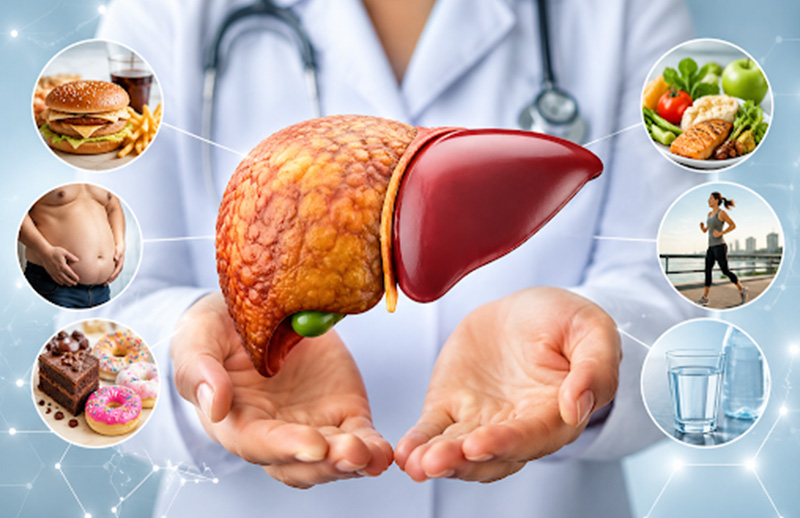
Fatty liver disease develops when excess fat builds up in liver cells, affecting the organ’s ability to filter toxins, process nutrients, and support digestion. It is one of the most common liver conditions seen worldwide, and many people live with it for years without noticing any symptoms.
At HealthBay, our Gastroenterology department in Dubai offers thorough evaluation, accurate diagnosis, and a personalised care plan for every stage of the condition, from early fat accumulation to more advanced liver changes.
Left unmanaged, fatty liver disease can progress to inflammation, scarring, and in some cases long-term liver damage. Early detection makes a significant difference, which is why our team focuses on timely screening, lifestyle guidance, and ongoing monitoring rather than treatment alone.
Types of Fatty Liver Disease
Non-Alcoholic Fatty Liver Disease (NAFLD)
Fat accumulation unrelated to alcohol use, closely linked to obesity, insulin resistance, and metabolic syndrome.
Non-Alcoholic Steatohepatitis (NASH)
A more advanced form involving inflammation and cell damage, which carries a higher risk of fibrosis and cirrhosis if untreated. The new terminology for this is metabolic-dysfunction associated steatohepatitis (MASH).
Alcohol-Associated Fatty Liver Disease (ALD/AFLD)
Caused by sustained heavy alcohol intake, often reversible with early abstinence and medical support.
Common Symptoms
Fatty liver disease is frequently silent in its early stages, which is why routine screening matters. When symptoms do appear, they can include:
- Persistent fatigue or low energy
- Mild discomfort or a dull ache in the upper right abdomen
- Unexplained weight changes
- Bloating and general digestive discomfort
- In advanced cases: jaundice, swelling in the legs, or easy bruising
Causes and Risk Factors
Several factors raise the likelihood of developing fatty liver disease, and often more than one is present at the same time:
- Obesity or excess weight, particularly around the abdomen
- Type 2 diabetes and insulin resistance
- High cholesterol or elevated triglycerides
- A sedentary lifestyle combined with a high-sugar, high-fat diet
- Heavy or prolonged alcohol consumption
- Certain medications and, in some cases, genetic predisposition
Because fatty liver disease shares so many risk factors with metabolic and cardiovascular conditions, our clinicians often coordinate care alongside colleagues in areas such as Endocrinology and Nutrition to address the whole picture, not just the liver.
How Fatty Liver Disease Is Diagnosed at HealthBay
Diagnosis begins with a detailed consultation covering medical history, lifestyle, and risk factors, followed by targeted testing. Depending on individual findings, this may include:
- Liver function blood tests
- Abdominal ultrasound and liver elastography (also called FibroScan) to assess fat content and stiffness (fibrosis)
- Metabolic panels to check blood sugar, cholesterol, and triglyceride levels
- Where indicated, an endoscopy or further imaging to rule out related upper digestive conditions
These results allow the team to grade the severity of the condition and design a treatment plan suited to the individual, rather than a one-size-fits-all approach.
Treatment and Management Approach
There is no single medication that reverses fatty liver disease on its own, so treatment centres on a structured, monitored programme:
Nutrition and Weight Management
A tailored eating plan, often developed in partnership with our Nutrition service, to reduce liver fat gradually and safely.
Metabolic Control
Managing blood sugar and cholesterol, coordinated with Endocrinology when diabetes or insulin resistance is involved.
Lifestyle Modification
Structured physical activity plans and alcohol reduction or cessation support.
Regular Monitoring
Scheduled blood work and imaging to track liver health over time and catch any progression early.
Management of Related Conditions
Care coordination for patients who also live with IBS, IBD, or celiac disease.
Can Fatty Liver Be Reversed?
Yes. In many patients, early-stage fatty liver disease can be reversed through appropriate lifestyle changes and medical management.
Successful treatment may reduce liver fat, improve liver function, decrease inflammation, and prevent long-term complications.
The earlier treatment begins, the better the outcome.
Why Early Treatment Matters
Without proper management, fatty liver disease may progress through several stages:
- Liver inflammation
- Fibrosis
- Cirrhosis
- Liver failure
- Increased risk of liver cancer
Early intervention helps preserve liver function and significantly reduces these risks.
Prevention Tips
You can reduce your risk of fatty liver disease by:
- Eating a nutritious diet
- Maintaining a healthy weight
- Exercising at least 150 minutes per week
- Managing diabetes and cholesterol
- Limiting alcohol consumption
- Avoiding unnecessary medications
- Staying hydrated
- Scheduling routine health check-ups
Preventive care plays an important role in maintaining long-term liver health.
FAQs
Fatty liver disease can become serious if left untreated. Early diagnosis and appropriate treatment help prevent complications such as liver inflammation, fibrosis, cirrhosis, and liver failure.
Early-stage fatty liver disease can often be reversed through healthy lifestyle changes, weight management, regular exercise, and medical treatment when necessary.
No. Many people have no noticeable symptoms in the early stages. The condition is often detected during routine blood tests or imaging performed for other health concerns.
Treatment duration varies depending on the severity of the condition and the patient’s overall health. Many individuals begin to see improvements in liver function within a few months of following their treatment plan.
Most patients do not require surgery. Treatment usually focuses on lifestyle modifications, nutritional guidance, managing underlying medical conditions, and regular monitoring of liver health.
You should consult a liver specialist if you experience persistent fatigue, pain in the upper right abdomen, abnormal liver function test results, or have risk factors such as obesity, diabetes, high cholesterol, or excessive alcohol consumption.
People with fatty liver should limit sugary drinks, processed foods, refined carbohydrates, fried foods, excessive saturated fats, and alcohol. A balanced diet rich in vegetables, fruits, whole grains, and lean protein supports liver health.
Yes. Losing even 5–10% of your body weight can significantly reduce fat accumulation in the liver, decrease inflammation, and improve overall liver function when achieved through healthy diet and regular physical activity.
Individuals who are overweight, have type 2 diabetes, high cholesterol, high blood pressure, metabolic syndrome, or lead a sedentary lifestyle are at a higher risk of developing fatty liver disease.
Fatty liver is diagnosed using a combination of medical history, physical examination, blood tests, ultrasound, FibroScan®, and other imaging studies. In certain cases, a liver biopsy may be recommended to assess the extent of liver damage.
Protect Your Liver Before Problems Progress
Fatty liver disease often develops silently, but early diagnosis and the right treatment can make a significant difference. If you’ve been diagnosed with fatty liver, have abnormal liver test results, or are concerned about your liver health, seeking expert medical advice is an important first step.
The team at HealthBay offers comprehensive liver assessments, advanced diagnostic services, and personalized treatment plans designed to help improve liver function and reduce the risk of future complications.
Schedule a consultation to receive expert care and a treatment approach tailored to your individual health needs.


