






Colon Cancer
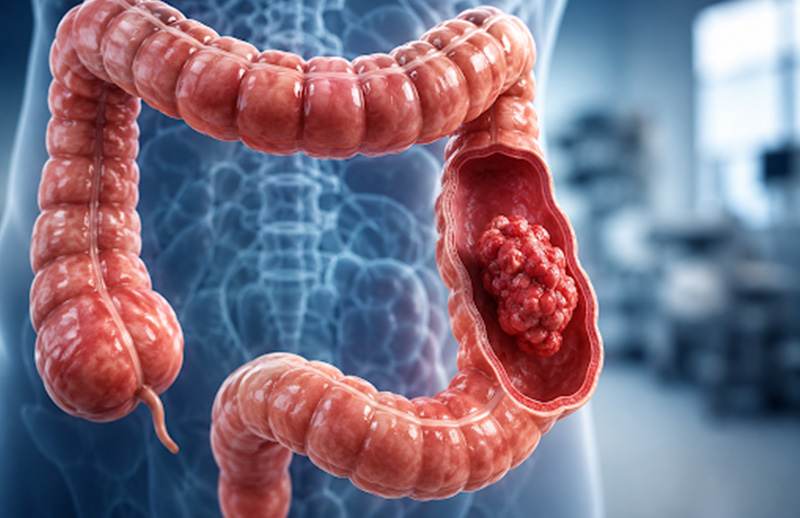
Colon cancer is one of the most common cancers affecting the digestive system. It develops in the large intestine (colon) and often begins as small, noncancerous growths called polyps. Over time, some polyps can become cancerous if they are not detected and removed. Early diagnosis plays a vital role in improving treatment outcomes and long-term survival.
At HealthBay, our Gastroenterology specialists provide comprehensive evaluation, screening, diagnosis, and coordinated care for patients with colon cancer and those at increased risk. Using advanced diagnostic techniques and personalized treatment planning, we help patients receive timely and effective care while supporting their overall digestive health.
What Is Colon Cancer?
The colon is the longest part of the large intestine and which is responsible for absorbing water and processing waste before it leaves the body. Colon cancer develops when abnormal cells grow uncontrollably in the lining of the colon. In many cases, the disease progresses slowly, making regular screening essential for identifying precancerous changes before they become more serious.
Although colon cancer is more common in older adults, it can also affect younger individuals, especially those with a family history or inherited genetic conditions.
Symptoms of Colon Cancer
Colon cancer may not cause noticeable symptoms during its early stages. As the disease progresses, patients may experience:
- Persistent changes in bowel habits
- Diarrhea or constipation lasting several weeks
- Blood in the stool or rectal bleeding
- Dark or black-colored stools
- Abdominal pain or cramping
- Bloating and excessive gas
- Feeling that the bowel does not empty completely
- Unexplained weight loss
- Fatigue and weakness
- Iron deficiency anemia
These symptoms can also occur with other digestive disorders. A proper medical evaluation is important to determine the underlying cause.
Risk Factors
Several factors can increase the likelihood of developing colon cancer, including:
- Age over 45 40 years
- Family history of colon or rectal cancer
- Personal history of colon polyps
- Inflammatory bowel diseases such as ulcerative colitis or Crohn’s disease
- Obesity
- Smoking
- Excessive alcohol consumption
- Diet high in processed and red meat
- Physical inactivity
- Certain inherited genetic syndromes
Individuals with multiple risk factors may benefit from earlier or more frequent screening.
Causes
The exact cause of colon cancer is not always known. It usually develops due to changes in the DNA of cells lining the colon. These genetic mutations allow abnormal cells to multiply and form tumors. Lifestyle, aging, environmental influences, and inherited conditions may all contribute to the development of the disease.
Diagnosis
Accurate diagnosis helps determine the stage of the disease and guides treatment decisions. Evaluation may include:
Colonoscopy
A colonoscopy allows direct examination of the entire colon using a flexible camera. During the procedure, suspicious polyps can be removed and tissue samples collected for laboratory analysis.
Biopsy
A biopsy confirms whether abnormal tissue contains cancer cells and identifies the specific type of cancer.
Blood Tests
Blood tests help assess overall health and may include tumor marker evaluation such as carcinoembryonic antigen (CEA).
Imaging Studies
CT scans, MRI, PET scans, and ultrasound may be recommended to determine whether the cancer has spread beyond the colon.
Genetic Testing
For patients with a strong family history, genetic testing may help identify inherited conditions associated with increased cancer risk.
Treatment Options
Treatment depends on the stage of cancer, overall health, and individual patient needs. A multidisciplinary approach ensures comprehensive care.
Surgery
Surgery remains the primary treatment for most early-stage colon cancers. The affected section of the colon and nearby lymph nodes are removed while preserving healthy bowel function whenever possible.
Chemotherapy
Chemotherapy uses medications to destroy cancer cells and may be recommended before or after surgery or for advanced disease.
Targeted Therapy
Targeted medications focus on specific molecular changes within cancer cells while minimizing damage to healthy tissues.
Immunotherapy
Some patients with specific genetic characteristics may benefit from immunotherapy, which helps the body’s immune system recognize and attack cancer cells.
Ongoing Monitoring
Regular follow-up appointments, imaging, blood tests, and surveillance colonoscopies help detect recurrence and monitor recovery after treatment.
Colon Cancer Screening
Routine screening significantly reduces the risk of advanced colon cancer by identifying precancerous polyps before they become malignant. Screening recommendations vary according to age, family history, and personal risk factors.
Common screening methods include:
- Colonoscopy
- Stool-based screening tests
- CT colonography in selected patients
UAE’s National Guidelines (2024) for Colorectal Cancer Screening recommends Colonoscopy every 10 years or Fecal Immunochemical Test (FIT) every two years.
Your specialist will recommend the most appropriate screening schedule based on your individual health profile.
Preventing Colon Cancer
While not every case can be prevented, healthy lifestyle choices may reduce the risk.
Preventive measures include:
- Eating a diet rich in fruits, vegetables, and whole grains
- Limiting processed and red meat
- Maintaining a healthy weight
- Exercising regularly
- Avoiding tobacco
- Limiting alcohol consumption
- Attending recommended screening examinations
- Managing chronic inflammatory bowel disease appropriately
Why Choose HealthBay?
HealthBay Clinic offers patient-centered digestive healthcare with a focus on early detection and coordinated management. Our experienced specialists work closely with radiologists, pathologists, surgeons, and oncology teams to ensure every patient receives an individualized care plan.
We provide:
- Comprehensive digestive evaluations
- Advanced colon cancer screening
- High-quality colonoscopy services
- Personalized treatment planning
- Coordination with multidisciplinary cancer specialists
- Long-term follow-up and surveillance
- Compassionate patient education and support
When Should You See a Specialist?
Arrange an evaluation if you experience persistent bowel changes, rectal bleeding, unexplained abdominal discomfort, ongoing fatigue, or unexplained weight loss. Individuals with a family history of colon cancer or previous colon polyps should also discuss appropriate screening with a specialist, even if they have no symptoms.
Early detection remains the most effective way to improve outcomes. Timely evaluation and appropriate screening can identify precancerous changes before they develop into cancer, helping protect your long-term digestive health.
FAQs
Yes. Colon cancer often develops silently, especially in its early stages. This is why routine screening is important, even if you feel healthy.
Not necessarily. Blood in the stool can result from hemorrhoids, fissures, infections, or inflammatory bowel conditions. However, it should always be evaluated by a specialist.
The recommended interval depends on your age, personal health history, family history, and previous colonoscopy findings. Your doctor will advise the most appropriate screening schedule.
Yes. Although it is more common after the age of 45, cases in younger adults have been increasing. Persistent digestive symptoms should never be ignored regardless of age.
A diet rich in fruits, vegetables, whole grains, legumes, and fiber, while limiting processed and red meats, may help reduce the risk.
No. A family history increases your risk but does not mean you will develop the disease. Earlier and regular screening can help detect problems before they become serious.
Most polyps can be safely removed during the procedure and sent for laboratory analysis. Removing precancerous polyps helps reduce the risk of colon cancer.
There is a possibility of recurrence, which is why regular follow-up visits, imaging, blood tests, and surveillance colonoscopies are recommended after treatment.
Maintaining a healthy weight, exercising regularly, eating a balanced diet, avoiding tobacco, limiting alcohol intake, and keeping up with recommended screenings all contribute to better colon health.
Screening can detect precancerous polyps before they become cancerous and identify cancer at an early stage when treatment is generally more effective and outcomes are often better.
Don’t Wait to Prioritize Your Digestive Health
Your colon health plays an important role in your overall well-being. If you notice persistent digestive changes, unexplained abdominal discomfort, rectal bleeding, or have a family history of colon cancer, early medical evaluation is essential.
At HealthBay, our gastroenterology specialists offer comprehensive assessments, advanced diagnostic procedures, and individualized care plans designed to detect and manage colon conditions effectively. We’re committed to providing compassionate care, accurate diagnosis, and ongoing support throughout your healthcare journey.
Schedule your consultation with HealthBay today and take a proactive step toward protecting your digestive health.


