






Contact Dermatitis
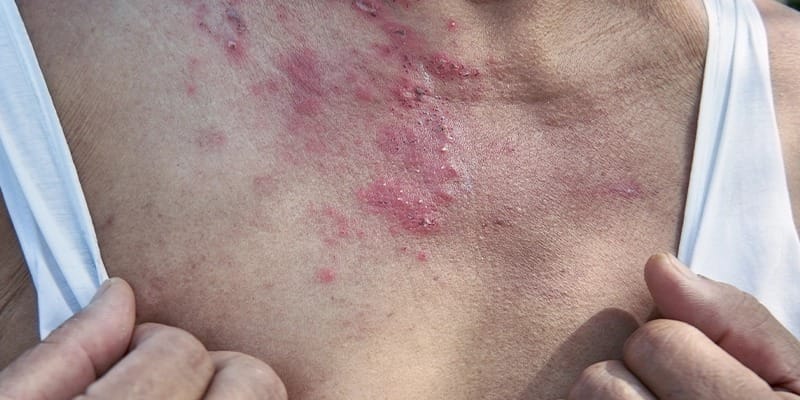
Contact dermatitis is a common inflammatory skin condition that occurs when the skin reacts to certain substances it comes into direct contact with. This reaction may result in redness, itching, swelling, dryness, or blistering, and can significantly affect daily comfort and appearance. While contact dermatitis is not contagious, it can become persistent or recurrent if the underlying cause is not identified and managed properly.
At HealthBay, experienced dermatologists provide accurate diagnosis and personalized treatment plans. With access to a trusted skin specialist in Dubai, patients can achieve effective relief while preventing future flare-ups.
What Is Contact Dermatitis?
Contact dermatitis is a type of eczema triggered by direct exposure to an irritant or allergen. When the skin’s protective barrier is compromised or sensitized, it reacts by becoming inflamed. The condition may develop suddenly or gradually, depending on the substance involved and the duration of exposure.
Contact dermatitis can affect people of all ages and commonly appears on areas such as:
- Hands and fingers
- Face and eyelids
- Neck and scalp
- Feet and legs
- Areas exposed to cosmetics, metals, or chemicals
Types of Contact Dermatitis
There are two main types of contact dermatitis, each with different causes and mechanisms.
1. Irritant Contact Dermatitis
This is the most common form and occurs when the skin is damaged by repeated exposure to irritating substances. It does not involve an allergic immune response.
Common irritants include:
- Soaps and detergents
- Cleaning agents and disinfectants
- Acids, solvents, and chemicals
- Prolonged exposure to water
2. Allergic Contact Dermatitis
This type occurs when the immune system reacts to a specific allergen after prior sensitization. Even minimal exposure can trigger symptoms once sensitivity develops.
Common allergens include:
- Nickel and other metals
- Fragrances and preservatives
- Cosmetics and skincare products
- Latex
- Hair dyes and nail products
Causes and Risk Factors
Several factors increase the likelihood of developing contact dermatitis:
- Frequent exposure to chemicals or allergens
- Occupations involving cleaning, healthcare, construction, or beauty services
- Sensitive or dry skin
- History of eczema or allergies
- Use of harsh skincare products
Symptoms of Contact Dermatitis
Symptoms may vary depending on the cause and severity of the reaction. Common signs include:
- Redness and inflammation
- Persistent itching or burning sensation
- Dry, cracked, or scaly skin
- Swelling or tenderness
- Blisters or oozing in severe cases
- Skin thickening with repeated exposure
Without proper care, scratching can lead to infection, scarring, or pigmentation changes.
Diagnosing Contact Dermatitis
Accurate diagnosis is essential for effective treatment. At HealthBay, dermatologists conduct a thorough assessment that includes:
- Detailed medical and occupational history
- Review of skincare, cosmetic, and product use
- Physical examination of affected areas
Patch Testing
Patch testing is often recommended to identify specific allergens responsible for allergic contact dermatitis. Small amounts of suspected allergens are applied to the skin and monitored for reactions over a few days. This diagnostic approach allows the skin specialist to tailor treatment and avoidance strategies precisely.
Contact Dermatitis Treatment at HealthBay
Treatment focuses on relieving symptoms, repairing the skin barrier, and preventing recurrence. Each treatment plan is personalized based on the patient’s condition and triggers.
1. Trigger Identification and Avoidance
The most important step is identifying and avoiding the offending substance. Dermatologists provide guidance on alternative products and protective measures.
2. Topical Treatments
Medicated creams and ointments help reduce inflammation, redness, and itching while promoting skin healing.
3. Moisturizing and Barrier Repair
Medical-grade moisturizers restore hydration and strengthen the skin’s natural barrier, reducing sensitivity and flare-ups.
4. Oral Medications
In moderate to severe cases, oral medications may be prescribed to control inflammation and relieve intense itching.
5. Infection Management
If secondary bacterial or fungal infections develop, appropriate treatment is initiated promptly.
Long-Term Management and Prevention
Preventing contact dermatitis requires ongoing skin care and lifestyle adjustments.
Using fragrance-free and hypoallergenic products
- Wearing protective gloves during household or occupational exposure
- Avoiding known allergens and irritants
- Maintaining regular moisturizing routines
- Scheduling follow-up visits to monitor skin health
Education plays a key role in preventing recurrence and maintaining healthy skin.
Contact Dermatitis in Children and Adults
Children
Children may develop contact dermatitis due to soaps, diapers, metals, or clothing materials. Early diagnosis helps prevent discomfort and skin infections.
Adults
Adult contact dermatitis is often related to occupational exposure, cosmetics, jewelry, or personal care products. Professional guidance ensures effective long-term control.
Effective Relief with Expert Contact Dermatitis Care
Contact dermatitis can disrupt daily life, but with accurate diagnosis and proper treatment, it can be effectively managed. Identifying triggers, following a structured treatment plan, and maintaining healthy skin habits are key to long-term relief. At HealthBay, expert dermatologists provide trusted care for patients dealing with contact dermatitis, ensuring safe, effective, and lasting results.
If you are experiencing persistent skin irritation or allergic reactions, consulting a qualified skin specialist in Dubai is the first step toward restoring comfort, confidence, and skin health.
Contact dermatitis is a skin reaction caused by direct contact with an irritant or allergen.
Soaps, detergents, cosmetics, metals, chemicals, and fragrances are common triggers.
A skin specialist in Dubai diagnoses it through clinical examination and patch testing if needed.
Treatment includes avoiding triggers, using prescribed creams, and regular moisturizing.
No, contact dermatitis is not contagious and cannot spread from person to person.
Medical Team

Dr. Aiza Mamaeva
Specialist Dermatologist

Dr. Irena Ivanovska Gjoshevska
Specialist Dermatologist

Dr. Matthias Roux
Consultant Dermatology

Prof Dr. Milos D Pavlovic, MD, PhD
Dermatologist and Phlebologist

Dr. Monika Figueiredo
Specialist Dermatology


