






Atopic Eczema

Atopic eczema, also known as atopic dermatitis, is a chronic inflammatory skin condition that causes intense itching, redness, dryness, and recurring flare-ups. It commonly begins in childhood but can persist into adulthood or even develop later in life. Although atopic eczema is not contagious, it can significantly affect daily comfort, sleep quality, emotional well-being, and overall quality of life.
At HealthBay, experienced dermatologists provide comprehensive diagnosis and personalized treatment plans to help patients effectively manage atopic eczema and maintain healthy, comfortable skin.
What is Atopic Eczema?
Atopic eczema is a long-term skin condition linked to an overactive immune response and a weakened skin barrier. This allows moisture to escape from the skin while irritants, allergens, and bacteria enter more easily, triggering inflammation and itching.
The condition often occurs alongside other allergic diseases such as asthma and allergic rhinitis, forming part of what is known as the “atopic triad.” While there is no permanent cure, modern dermatological treatments can successfully control symptoms and reduce flare-ups.
Who is Affected by Atopic Eczema?
Atopic eczema can affect individuals of all ages, but it is most commonly seen in:
- Infants and young children
- Individuals with a family history of eczema, asthma, or allergies
- People with sensitive or dry skin
- Those exposed to environmental allergens or irritants
In children, eczema often appears on the face, scalp, elbows, and knees, while adults may experience symptoms on the hands, neck, eyelids, wrists, and behind the knees.
Common Symptoms of Atopic Eczema
Symptoms may vary in severity and frequency, ranging from mild irritation to severe flare-ups. Common signs include:
- Persistent itching (often worse at night)
- Dry, cracked, or scaly skin
- Red or inflamed patches
- Thickened or leathery skin due to repeated scratching
- Oozing or crusting in severe cases
- Skin infections caused by scratching
Early diagnosis and consistent treatment can help prevent complications and reduce the intensity of symptoms.
Causes and Triggers of Atopic Eczema
Atopic eczema develops due to a combination of genetic, immune, and environmental factors.
1. Genetic Factors
People with a family history of eczema or allergic conditions are more likely to develop atopic eczema.
2. Immune System Dysfunction
An overactive immune response leads to inflammation even when exposed to harmless substances.
3. Environmental Triggers
Common triggers include:
- Dust mites
- Pollen
- Pet dander
- Cold or dry weather
- Heat and sweating
4. Irritants
Soaps, detergents, perfumes, wool clothing, and harsh skincare products can worsen symptoms.
5. Stress and Hormonal Changes
Emotional stress and hormonal fluctuations can trigger or intensify flare-ups.
How Atopic Eczema Is Diagnosed
Diagnosis is usually clinical and based on:
- Detailed medical and family history
- Physical examination of the skin
- Identification of symptom patterns and triggers
In some cases, allergy testing may be recommended to identify specific allergens contributing to flare-ups.
Advanced Atopic Eczema Treatment at HealthBay
At HealthBay, dermatologists focus on long-term symptom control, skin barrier repair, and flare-up prevention using evidence-based treatments.
1. Moisturizing Therapy
Regular use of medical-grade emollients helps restore the skin barrier, reduce dryness, and minimize itching.
2. Topical Medications
- Corticosteroid creams to control inflammation during flare-ups
- Non-steroidal topical treatments for sensitive areas like the face and eyelids
3. Oral Medications
In moderate to severe cases, oral antihistamines or immune-modulating medications may be prescribed to control itching and inflammation.
4. Advanced Injectable & Targeted Therapies
For severe or treatment-resistant eczema, advanced biologic therapies may be recommended under specialist supervision.
5. Infection Management
If secondary bacterial or viral infections occur, appropriate antimicrobial treatment is provided.
Lifestyle and Skincare Management for Atopic Eczema
Successful management requires a combination of medical treatment and daily skincare habits:
- Use fragrance-free, gentle cleansers
- Moisturize immediately after bathing
- Avoid known allergens and irritants
- Wear soft, breathable fabrics like cotton
- Keep nails short to reduce skin damage from scratching
- Manage stress through relaxation techniques
Benefits of Early and Consistent Eczema Treatment
- Reduced frequency and severity of flare-ups
- Improved skin hydration and comfort
- Lower risk of skin infections
- Better sleep quality
- Enhanced emotional well-being and confidence
Why Choose HealthBay for Atopic Eczema Care?
HealthBay offers patient-centered dermatology care with a focus on safety, comfort, and long-term results.
- Experienced dermatologists specializing in chronic skin conditions
- Personalized treatment plans for children and adults
- Advanced therapies for moderate to severe eczema
- Holistic guidance on skincare and lifestyle management
- Ongoing follow-up and support
Expert Eczema Care for Healthier Skin
Atopic eczema can be a lifelong condition, but with the right medical guidance, it can be effectively managed. Timely diagnosis, advanced treatments, and preventive skincare routines are key to maintaining healthy, comfortable skin. At HealthBay, recognized by many as the best skin clinic in Dubai, expert dermatologists are dedicated to helping patients regain control over their skin and improve their quality of life.
FAQs
Atopic eczema is caused by a combination of genetic factors, immune system sensitivity, and environmental triggers that weaken the skin barrier.
No, atopic eczema is not contagious and cannot be spread through contact.
There is no permanent cure, but symptoms can be effectively managed with proper medical treatment and skincare.
Many children experience improvement as they grow older, but some individuals continue to have eczema into adulthood.
You should consult a dermatologist if symptoms are persistent, worsening, infected, or affecting daily life and sleep.
Medical Team

Dr. Aiza Mamaeva
Specialist Dermatologist
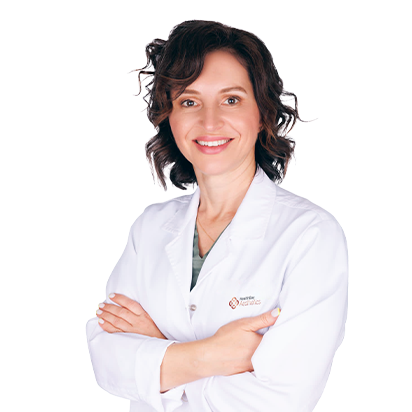
Dr. Irena Ivanovska Gjoshevska
Specialist Dermatologist

Dr. Matthias Roux
Consultant Dermatology
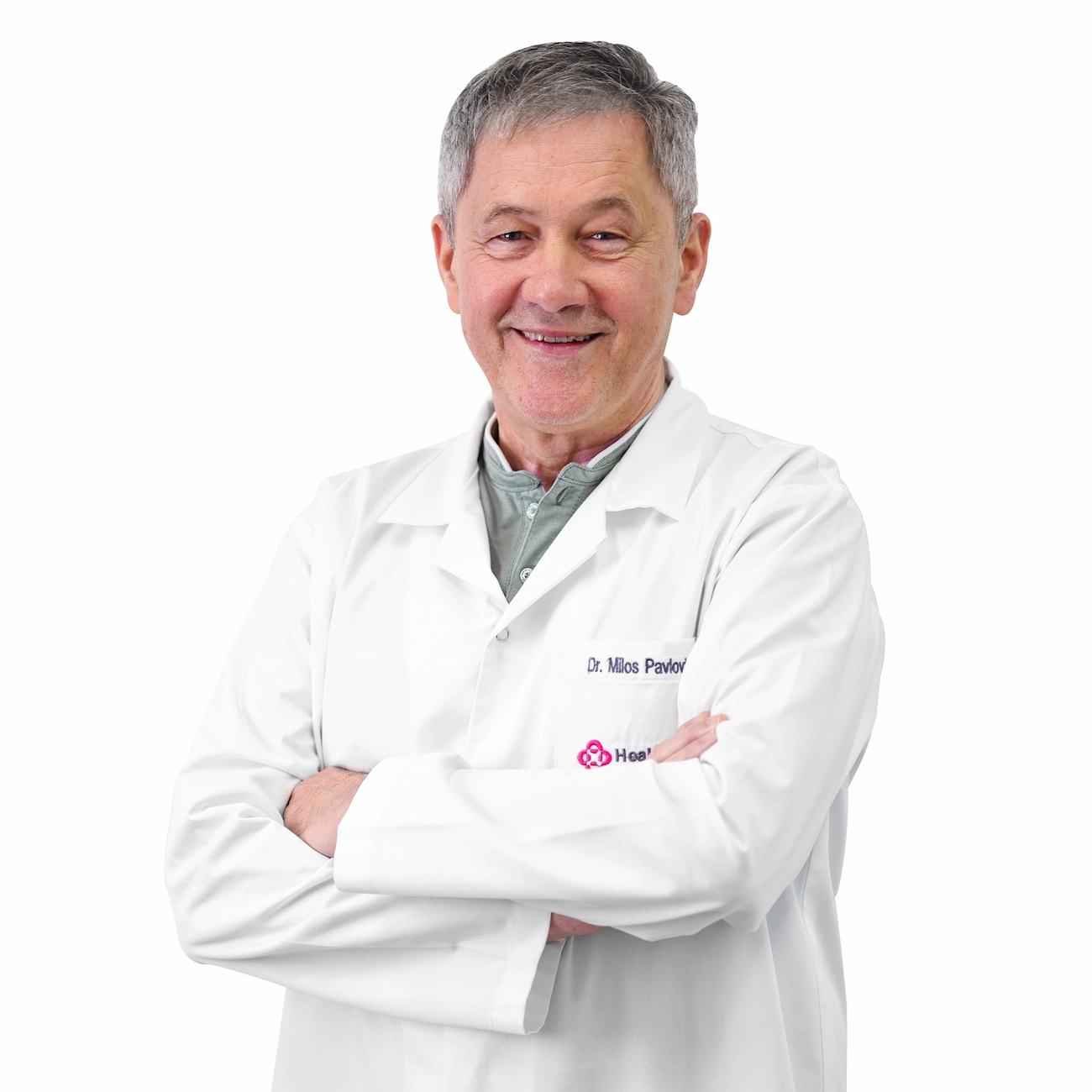
Prof Dr. Milos D Pavlovic, MD, PhD
Dermatologist and Phlebologist
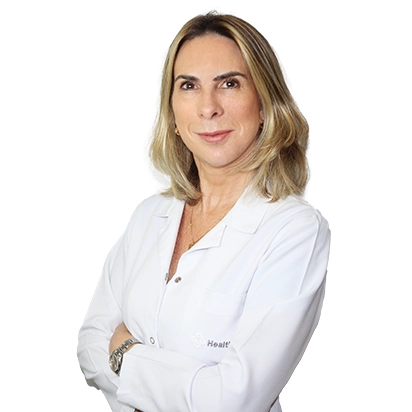
Dr. Monika Figueiredo
Specialist Dermatology


