






Kidney Stones Clinic & Non-Surgical Treatment Solutions
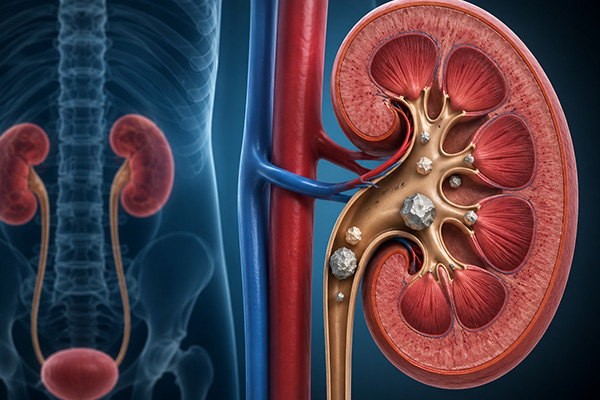
Kidney stones are one of the most common urinary tract conditions and can affect people of all ages. While some stones pass naturally, others may cause severe pain, urinary blockage, infection, or kidney damage if left untreated. Seeking medical attention at the earliest sign of symptoms can help prevent complications and improve treatment outcomes.
At HealthBay’s Nephrology Department, our experienced kidney stone specialists provide comprehensive evaluation, accurate diagnosis, and personalised treatment for both first-time and recurrent kidney stones. We focus on evidence-based, non-surgical treatment whenever appropriate while helping prevent future stone formation and protect long-term kidney health.
What Are Kidney Stones?
Kidney stones are hard deposits made of minerals and salts that develop inside the kidneys when certain substances in the urine become highly concentrated. Over time, these crystals combine and form solid masses of varying sizes.
Some stones remain inside the kidney without causing problems, while others move into the ureter, the tube connecting the kidney to the bladder, where they may block urine flow and cause significant discomfort.
The size of a stone does not always determine the severity of symptoms. Even a small stone can cause intense pain if it obstructs the urinary tract.
Common Symptoms of Kidney Stones
Kidney stone symptoms can range from mild discomfort to intense, debilitating pain depending on the stone’s size and position. Recognising these symptoms early allows for quicker diagnosis and easier treatment.
Typical kidney stones symptoms include:
- Sharp, cramping pain in the back, side, or lower abdomen that may come in waves
- Pain that radiates toward the groin as the stone moves through the urinary tract
- Burning sensation during urination
- Frequent urge to urinate, often passing only small amounts
- Cloudy or foul-smelling urine
- Nausea and vomiting accompanying the pain
- Fever and chills if an infection is present alongside the stone
Not every patient experiences all of these signs. Some smaller stones cause no noticeable discomfort at all and are only discovered incidentally during imaging done for another reason.
Types of Kidney Stones
Identifying the type of stone helps determine the most effective treatment plan and preventive strategy.
Calcium Stones
These are the most common type and usually form from calcium oxalate or calcium phosphate. Dietary habits, dehydration, and certain metabolic conditions may contribute to their formation.
Uric Acid Stones
These stones develop when urine becomes too acidic. They are more common in individuals with gout, obesity, diabetes, or high-protein diets.
Struvite Stones
Struvite stones usually occur following recurrent urinary tract infection and may grow rapidly if not treated promptly.
Cystine Stones
These are rare and occur due to an inherited condition called cystinuria, which causes excessive cystine to be excreted in the urine.
Warning Signs of Kidney Stones That Need Immediate Attention
While mild cases can often be monitored at home with guidance from your doctor, certain warning signs of kidney stones point to complications that require urgent medical care. Seek prompt evaluation if you notice:
- Blood in the urine (visible pink, red, or brown discolouration)
- Fever above 38°C combined with flank pain, which may indicate a kidney infection
- Persistent vomiting that prevents you from staying hydrated
- Pain so severe that it cannot be controlled with standard pain relief
- Difficulty passing urine at all, or a significant drop in urine output
- Confusion or unusual drowsiness alongside fever, which can signal a spreading infection
These symptoms, particularly fever with flank pain, can indicate an obstructed and infected kidney, a situation that may require emergency drainage or hospitalisation. Our clinic prioritises same-day assessment for patients presenting with these red-flag signs.
Non-Surgical Treatment Solutions for Kidney Stones
A large proportion of kidney stones do not require surgery. Depending on stone size, location, and composition, our specialists may recommend one of several conservative or minimally invasive approaches:
1. Medical Expulsive Therapy (Watchful Waiting)
For stones under 5-6mm, increased fluid intake combined with medications that relax the ureter (alpha-blockers) can help the stone pass naturally within a few weeks. Regular follow-up imaging tracks progress.
2. Extracorporeal Shock Wave Lithotripsy (ESWL)
This outpatient procedure uses focused shock waves delivered from outside the body to break stones into smaller fragments that pass more easily through urine. ESWL is typically suitable for stones up to around 2cm located in the kidney or upper ureter, and requires no incisions or hospital stay.
3. Dietary and Metabolic Management
For patients prone to recurrent stones, our team conducts a metabolic workup to identify contributing factors such as low fluid intake, high sodium diets, excess oxalate consumption, or underlying conditions like hyperparathyroidism. A tailored prevention plan can significantly reduce recurrence.
4. Medication-Based Management
Certain stone types, particularly uric acid stones, can sometimes be dissolved through targeted medication that alters urine pH, avoiding the need for any procedure at all.
When Kidney Stones Surgery Treatment in Dubai Becomes Necessary
Some stones are too large, too firmly lodged, or causing complications that cannot be resolved through conservative measures. In these cases, kidney stones surgery treatment in Dubai at HealthBay Clinic follows minimally invasive protocols designed to minimise recovery time and discomfort:
Ureteroscopy (URS)
A thin scope is passed through the urinary tract to locate and break up the stone using a laser, with fragments removed or left to pass naturally. This approach requires no external incision and is commonly used for stones in the ureter or lower kidney.
Percutaneous Nephrolithotomy (PCNL)
Reserved for larger kidney stones (generally above 2cm), this procedure involves a small incision in the back to access the kidney directly and remove the stone. It offers a high clearance rate for complex or staghorn stones in a single session.
Laparoscopic Stone Surgery
In rare, complex cases involving anatomical abnormalities, a laparoscopic approach may be used to remove stones while preserving kidney function.
All surgical pathways at HealthBay are performed by fellowship-trained urologists using modern laser and imaging technology, with a strong emphasis on shorter hospital stays and faster return to normal activity.
What Makes HealthBay a Trusted Kidney Stone Specialist in Dubai
Patients searching for a top kidney stone specialist in Dubai typically look for a combination of clinical expertise, accurate diagnostics, and a treatment philosophy that avoids unnecessary intervention. At HealthBay Clinic, this translates into:
- Board-certified urologists with extensive experience managing both simple and complex stone disease
- On-site imaging and laboratory services for same-day diagnosis
- A stepwise treatment approach that starts conservatively wherever medically appropriate
- Advanced laser and endoscopic equipment for minimally invasive procedures
- Structured follow-up care and metabolic evaluation to prevent recurrence
- Multilingual staff and a patient-first approach for Dubai’s diverse population
Preventing Kidney Stones: Practical Guidance
Once a stone has been treated, preventing recurrence becomes the priority, since nearly half of patients form another stone within several years without changes to habits. General guidance includes:
- Drinking enough water daily to keep urine pale and dilute, generally 2.5 to 3 litres depending on climate and activity
- Reducing salt intake, since high sodium increases calcium excretion in urine
- Moderating animal protein consumption
- Limiting foods very high in oxalate if you form calcium oxalate stones, such as spinach and nuts, in coordination with your doctor
- Maintaining adequate dietary calcium from food sources rather than restricting it, since very low calcium diets can paradoxically raise stone risk
- Following up with periodic imaging if you have a history of recurrent stones
Your specialist will tailor these recommendations based on your specific stone composition and metabolic profile rather than generic advice.
FAQs
The most common indicator is sudden, severe pain in the back or side that may radiate to the groin, often accompanied by blood in the urine or nausea. A CT scan or ultrasound confirms the diagnosis.
Yes. Many stones under 6mm pass naturally with hydration and medication, and larger stones up to around 2cm can often be treated with shock wave therapy (ESWL) without any incision.
Surgery becomes necessary when a stone is too large to pass, is causing a blockage, is associated with infection, or has not responded to conservative treatment.
Recovery depends on the procedure. Ureteroscopy patients often resume normal activity within a few days, while PCNL may require a short hospital stay with recovery over one to two weeks.
Yes, recurrence is common without preventive measures. Metabolic evaluation and dietary changes significantly lower the risk of forming new stones.
Book a Consultation with Our Kidney Stone Specialists
If you are experiencing flank pain, blood in urine, or have been told you have a kidney stone on imaging, timely consultation makes a real difference in comfort and outcome. HealthBay Clinic’s urology team offers comprehensive evaluation, transparent treatment planning, and both non-surgical and surgical options under one roof.
Schedule your appointment today to discuss diagnosis, treatment, and prevention with our kidney stone specialists in Dubai.


