






Early Diagnostics & Chronic Kidney Disease (CKD) Management
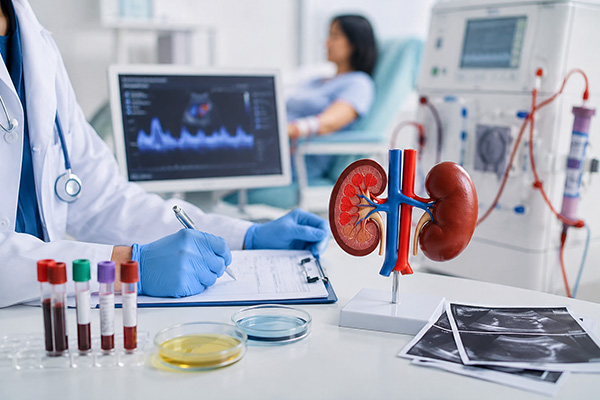
Kidney disease often develops silently, with many people experiencing little or no symptoms until significant kidney damage has already occurred. Chronic Kidney Disease (CKD) is a progressive condition that affects the kidneys’ ability to filter waste products, maintain fluid balance, regulate blood pressure, and support overall health. Early diagnosis and timely treatment can significantly slow disease progression and help patients maintain healthy kidney function for years.
At HealthBay, our experienced nephrologists provide comprehensive kidney evaluations, advanced diagnostic testing, and personalized treatment plans for patients at every stage of Chronic Kidney Disease.
Whether you have diabetes, high blood pressure, abnormal kidney function tests, or a family history of kidney disease, our multidisciplinary team is committed to protecting your kidney health through evidence-based medical care, lifestyle guidance, and ongoing monitoring.
What is Chronic Kidney Disease (CKD)?
Chronic Kidney Disease (CKD) is a long-term condition in which the kidneys gradually lose their ability to filter waste products and excess fluids from the blood. Healthy kidneys maintain the body’s balance of minerals, produce hormones that regulate blood pressure, and support the production of red blood cells.
When kidney function declines, waste products begin to accumulate in the body, affecting multiple organs. Without appropriate treatment, CKD may progress to advanced kidney disease and eventually require dialysis or kidney transplantation.
The good news is that many cases can be effectively managed when identified early.
Why Early Diagnosis Matters
One of the biggest challenges with kidney disease is that symptoms often appear only after substantial kidney damage has occurred. Many patients feel completely healthy during the early stages.
Early diagnosis allows doctors to:
- Preserve kidney function
- Identify underlying medical conditions
- Reduce the risk of kidney failure
- Improve blood pressure control
- Lower cardiovascular complications
- Delay or avoid dialysis
- Improve long-term health outcomes
Routine kidney health assessments are particularly important for individuals with diabetes, hypertension, obesity, heart disease, or a family history of kidney disorders.
Understanding a High Kidney Creatinine Level
Many patients become concerned after receiving blood test results showing kidney creatinine level high. Creatinine is a waste product produced by normal muscle activity and removed from the bloodstream by healthy kidneys.
When kidney function decreases, creatinine levels may rise because the kidneys are unable to remove it efficiently.
However, a high creatinine level does not always indicate severe kidney disease. Temporary increases may occur due to:
- Dehydration
- Certain medications
- High muscle mass
- Intense exercise
- Urinary obstruction
Our nephrology team carefully interprets creatinine results alongside eGFR, urine findings, imaging studies, and your overall medical history before making a diagnosis.
What Are the 3 Early Warning Signs of Kidney Disease?
This is one of the most common questions we hear, and it deserves a direct answer. While kidney disease can present differently from person to person, three signs tend to appear most consistently in its early stages:
1. Swelling in the legs, ankles, or around the eyes.
When the kidneys aren’t filtering fluid efficiently, excess fluid builds up in the body’s tissues. This often shows up first as puffiness around the eyes in the morning, or swelling in the lower legs and ankles by the end of the day.
2. Changes in urination.
This can mean several things: foamy or bubbly urine (a sign of protein leaking into the urine), urinating more frequently than usual, particularly at night, or noticeably less urine output than normal. Any persistent change is worth having checked.
3. Unexplained fatigue.
Healthy kidneys help produce a hormone that supports red blood cell production. When kidney function drops, red blood cell levels can fall too, leading to a specific kind of tiredness that doesn’t improve with rest, often one of the first things patients notice, even before they connect it to their kidneys.
Beyond these three, other early warning signs of kidney disease can include high blood pressure that’s newly difficult to control, a persistent metallic taste or loss of appetite, and dry, itchy skin. None of these symptoms are exclusive to kidney disease, which is precisely why lab confirmation, not guesswork, is the next step.
Common Causes of Chronic Kidney Disease
Several medical conditions can gradually damage the kidneys over time.
Common causes include:
- Diabetes mellitus
- High blood pressure
- Glomerulonephritis
- Polycystic kidney disease
- Recurrent kidney infections
- Autoimmune diseases
- Kidney stones causing obstruction
- Certain inherited kidney disorders
- Long-term use of certain pain medications
- Obesity
- Cardiovascular disease
Identifying and treating these conditions early helps reduce further kidney damage.
Who Is at Higher Risk?
Regular kidney screening is recommended for individuals with:
- Diabetes
- Hypertension
- Heart disease
- Obesity
- Family history of kidney disease
- Autoimmune disorders
- Recurrent urinary tract infections
- Previous kidney stones
- Age above 60 years
- Smoking history
Patients in these groups benefit from periodic kidney function assessments even if they feel well.
How HealthBay Approaches Early Diagnostics
When a patient comes to us with a family history of kidney disease, risk factors like diabetes or hypertension, or early warning signs, our diagnostic process typically includes:
- Blood testing to measure creatinine and calculate eGFR, giving a clear snapshot of current kidney function
- Urine analysis to check for protein, blood, or other abnormalities that can indicate early kidney damage
- Blood pressure monitoring, since hypertension is both a cause and a consequence of declining kidney function
- Review of risk factors, including diabetes, family history, medication use, and lifestyle
- Imaging, when needed, to rule out structural issues such as kidney stones or cysts
From there, we stage the findings and build a management plan suited to where the patient actually is – not a generic protocol.
Managing CKD Once It’s Diagnosed
A CKD diagnosis is not the same as kidney failure, and for many patients, it’s a starting point for management rather than a countdown. Depending on the stage, our approach may include:
- Blood pressure and blood sugar control, since both directly affect how quickly CKD progresses
- Medication adjustments to protect remaining kidney function and avoid drugs that place extra strain on the kidneys
- Dietary guidance, often focused on sodium, protein, and potassium intake
- Regular monitoring to track function over time and catch any acceleration early
- Coordination with other specialists when CKD overlaps with diabetes, heart disease, or other conditions
The goal at every stage is the same: preserve as much kidney function as possible, for as long as possible.
What Are the 3 Early Warning Signs of Kidney Disease?
This is one of the most common questions we hear, and it deserves a direct answer. While kidney disease can present differently from person to person, three signs tend to appear most consistently in its early stages:
1. Swelling in the legs, ankles, or around the eyes.
When the kidneys aren’t filtering fluid efficiently, excess fluid builds up in the body’s tissues. This often shows up first as puffiness around the eyes in the morning, or swelling in the lower legs and ankles by the end of the day.
2. Changes in urination.
This can mean several things: foamy or bubbly urine (a sign of protein leaking into the urine), urinating more frequently than usual, particularly at night, or noticeably less urine output than normal. Any persistent change is worth having checked.
3. Unexplained fatigue.
Healthy kidneys help produce a hormone that supports red blood cell production. When kidney function drops, red blood cell levels can fall too, leading to a specific kind of tiredness that doesn’t improve with rest, often one of the first things patients notice, even before they connect it to their kidneys.
Beyond these three, other early warning signs of kidney disease can include high blood pressure that’s newly difficult to control, a persistent metallic taste or loss of appetite, and dry, itchy skin. None of these symptoms are exclusive to kidney disease, which is precisely why lab confirmation, not guesswork, is the next step.
Common Causes of Chronic Kidney Disease
Several medical conditions can gradually damage the kidneys over time.
Common causes include:
- Diabetes mellitus
- High blood pressure
- Glomerulonephritis
- Polycystic kidney disease
- Recurrent kidney infections
- Autoimmune diseases
- Kidney stones causing obstruction
- Certain inherited kidney disorders
- Long-term use of certain pain medications
- Obesity
- Cardiovascular disease
Identifying and treating these conditions early helps reduce further kidney damage.
Who Is at Higher Risk?
Regular kidney screening is recommended for individuals with:
- Diabetes
- Hypertension
- Heart disease
- Obesity
- Family history of kidney disease
- Autoimmune disorders
- Recurrent urinary tract infections
- Previous kidney stones
- Age above 60 years
- Smoking history
Patients in these groups benefit from periodic kidney function assessments even if they feel well.
How HealthBay Approaches Early Diagnostics
When a patient comes to us with a family history of kidney disease, risk factors like diabetes or hypertension, or early warning signs, our diagnostic process typically includes:
- Blood testing to measure creatinine and calculate eGFR, giving a clear snapshot of current kidney function
- Urine analysis to check for protein, blood, or other abnormalities that can indicate early kidney damage
- Blood pressure monitoring, since hypertension is both a cause and a consequence of declining kidney function
- Review of risk factors, including diabetes, family history, medication use, and lifestyle
- Imaging, when needed, to rule out structural issues such as kidney stones or cysts
From there, we stage the findings and build a management plan suited to where the patient actually is – not a generic protocol.
Managing CKD Once It’s Diagnosed
A CKD diagnosis is not the same as kidney failure, and for many patients, it’s a starting point for management rather than a countdown. Depending on the stage, our approach may include:
- Blood pressure and blood sugar control, since both directly affect how quickly CKD progresses
- Medication adjustments to protect remaining kidney function and avoid drugs that place extra strain on the kidneys
- Dietary guidance, often focused on sodium, protein, and potassium intake
- Regular monitoring to track function over time and catch any acceleration early
- Coordination with other specialists when CKD overlaps with diabetes, heart disease, or other conditions
The goal at every stage is the same: preserve as much kidney function as possible, for as long as possible.
Stages of Chronic Kidney Disease
CKD is classified into five stages based on kidney function.
Stage 1
Kidneys are functioning normally but show early signs of damage.
Stage 2
Mild reduction in kidney function with minimal symptoms.
Stage 3
Moderate decline requiring closer monitoring and treatment.
Stage 4
Severe loss of kidney function requiring preparation for advanced care.
Stage 5
Kidney failure requiring dialysis or kidney transplantation.
Early treatment during Stages 1 to 3 offers the greatest opportunity to slow disease progression.
Preventing Further Kidney Damage
Protecting kidney health involves long-term commitment and proactive care.
Helpful preventive measures include:
- Monitor blood pressure regularly
- Keep diabetes well controlled
- Maintain a healthy body weight
- Stay physically active
- Limit excess salt intake
- Avoid unnecessary painkillers
- Drink adequate fluids when appropriate
- Attend routine medical check-ups
- Follow prescribed medications
- Avoid smoking
Small lifestyle improvements can make a significant difference in preserving kidney function over time.
FAQs
Yes. CKD is often detected during routine blood and urine tests before symptoms develop. Tests such as serum creatinine, eGFR, and urine albumin can identify early kidney damage, allowing treatment to begin before the condition progresses.
CKD is generally a long-term condition that cannot be completely cured. However, with early diagnosis, appropriate medication, and lifestyle modifications, its progression can often be slowed, helping preserve kidney function for many years.
Depending on the stage of CKD, patients may need to limit foods high in sodium, processed foods, excessive protein, phosphorus-rich foods, and high-potassium foods. A nephrologist or renal dietitian can recommend a personalised kidney-friendly diet.
Staying well hydrated supports normal kidney function, but drinking excessive amounts of water will not reverse chronic kidney disease. Fluid intake recommendations vary depending on each patient’s kidney function and overall health.
Yes. Uncontrolled hypertension can damage the small blood vessels in the kidneys over time, reducing their ability to filter waste efficiently. Managing blood pressure is essential for protecting kidney health.
Yes. Diabetes is one of the most common causes of CKD worldwide. Persistently high blood sugar levels can damage the kidneys’ filtering units, increasing the risk of diabetic kidney disease if not properly managed.
Estimated Glomerular Filtration Rate (eGFR) is a blood test used to measure how well the kidneys filter waste from the bloodstream. It helps doctors determine the stage of kidney disease and monitor changes in kidney function over time.
Yes. Long-term use of some painkillers (NSAIDs), certain antibiotics, contrast dyes, and other medications may affect kidney function, especially in people with existing kidney disease. Always take medicines under medical supervision.
Dialysis is generally considered when kidney function declines significantly and the kidneys can no longer effectively remove waste products or excess fluid. Your nephrologist will assess your condition and discuss the most appropriate treatment options.
HealthBay offers comprehensive kidney care with experienced nephrologists, advanced diagnostic facilities, personalised treatment plans, nutritional guidance, and ongoing follow-up to help patients manage chronic kidney disease and maintain better long-term kidney health.
Protect Your Kidney Health with Early Diagnosis
Kidney disease often progresses silently, making regular screening and timely medical evaluation essential. If you have diabetes, high blood pressure, abnormal blood tests, or concerns about your kidney health, early intervention can make a meaningful difference.
At HealthBay, our kidney specialist is committed to delivering accurate diagnosis, personalized treatment, and ongoing support to help preserve kidney function and promote long-term wellness. Schedule a consultation today and take a proactive step toward protecting your kidney health.


