






Polyendocrine Metabolic Ovarian Syndrome (PMOS)

Polyendocrine Metabolic Ovarian Syndrome (PMOS) is one of the most common hormonal disorders affecting women of reproductive age. Characterized by irregular periods, hormonal imbalances, and the presence of multiple small cysts on the ovaries, PMOS can impact menstrual health, metabolism, fertility, and overall well-being.
At HealthBay, we provide expert diagnosis and personalized treatment for PMOS, helping women understand their condition, manage symptoms, and achieve better long-term health outcomes. Our multidisciplinary approach ensures holistic support from hormonal regulation to fertility guidance and lifestyle management.
What Is Polyendocrine Metabolic Ovarian Syndrome (PMOS)?
PMOS is a complex endocrine disorder caused by an imbalance in reproductive hormones, particularly higher-than-normal levels of androgens (male hormones). This imbalance disrupts ovulation, leading to irregular menstrual cycles and a range of physical and metabolic symptoms.
Women with PMOS may develop:
- Irregular or absent periods
- Multiple small ovarian cysts
- Elevated androgen levels
- Insulin resistance
- Difficulty with weight management
PMOS varies widely from person to person. Some women experience mild symptoms, while others may face significant challenges related to fertility, metabolic health, and emotional well-being.
Common Symptoms of PMOS
PMOS symptoms often begin around puberty but may appear later, especially after weight gain or major lifestyle changes. Common signs include:
- Irregular menstrual cycles: infrequent, prolonged, or absent periods
- Excess hair growth (hirsutism): on the face, chest, or abdomen
- Acne and oily skin: due to hormonal imbalance
- Hair thinning: or scalp hair loss
- Weight gain: or difficulty losing weight
- Darkening of skin folds: acanthosis nigricans
- Infertility: or difficulty conceiving
- Mood changes: including anxiety or depression
Because PMOS affects multiple body systems, early diagnosis and targeted treatment are essential.
What Causes PMOS?
The exact cause of PMOS is not fully understood, but several factors contribute to its development:
1. Insulin Resistance
High insulin levels can trigger excess androgen production, disrupting ovulation.
2. Hormonal Imbalance
Elevated androgens interfere with the menstrual cycle, egg development, and skin health.
3. Genetics
PMOS often runs in families, suggesting a hereditary link.
4. Inflammation
Low-grade inflammation may contribute to ovarian dysfunction and metabolic changes.
Understanding the underlying cause helps shape the most effective treatment plan.
How PMOS Is Diagnosed at HealthBay
Our specialists conduct a comprehensive evaluation, which may include:
Accurate diagnosis allows us to tailor treatment to your body’s needs and your personal health goals. PMOS Treatment Options at HealthBay
PMOS cannot be “cured,” but with the right care, symptoms can be effectively controlled and long-term complications prevented. Treatment is tailored based on symptoms, fertility plans, and overall health.
1. Lifestyle & Metabolic Management
Lifestyle intervention is often the first line of treatment:
- Personalised nutrition plans
- Weight management guidance
- Exercise routines to improve insulin sensitivity
- Stress reduction and sleep support
Even a small reduction in weight can significantly improve hormonal balance and fertility.
2. Medication-Based Treatment
Depending on individual symptoms, your doctor may recommend:
- Hormonal therapy to regulate periods and reduce androgen levels
- Insulin-sensitizing medication to lower insulin resistance
- Ovulation induction medications for women trying to conceive
- Topical or oral treatments for acne and unwanted hair growth
Our approach ensures safe, evidence-based treatment aligned with your goals.
3. Fertility Support for PMOS
For women facing fertility challenges, we offer:
- Ovulation induction therapies
- Monitoring of the menstrual cycle
- Preconception counselling
- Referral for advanced reproductive techniques when needed
Many women with PMOS successfully conceive with the right guidance and treatment.
4. Long-Term Health Monitoring
PMOS is associated with long-term risks, including:
- Type 2 diabetes
- High blood pressure
- Heart disease
- Endometrial issues
Our team provides ongoing care to monitor and manage these risks proactively.
Your Path to Better Hormonal Balance Starts Here
Managing PMOS begins with the right support and a clear understanding of your body. At HealthBay, we provide evidence-based treatments and personalized care to help you regain hormonal balance and improve your overall well-being.
Whether your goal is to ease symptoms, regulate your cycle, or enhance fertility, our gynecologists in Dubai are here to guide you at every stage. Start your journey toward better hormonal health with HealthBay today.
FAQs
PMOS cannot be cured, but it can be effectively managed. With the right combination of medical treatment, lifestyle changes, and long-term monitoring, most women are able to control symptoms and reduce complications.
No. While PMOS can make ovulation irregular, many women with PMOS conceive naturally or with fertility support. Early evaluation and treatment significantly improve fertility outcomes.
PMOS is closely linked to insulin resistance, which makes it easier to gain weight and harder to lose it. A personalized diet and exercise plan helps improve insulin sensitivity and supports weight management.
Yes. PMOS often begins during adolescence, though symptoms may be mistaken for normal hormonal changes. Early diagnosis in teens can prevent long-term metabolic and reproductive complications.
No. Although often used interchangeably, PMOS is a hormonal disorder with metabolic implications, while PCOD (Polycystic Ovarian Disease) mainly refers to enlarged ovaries with multiple cysts. PMOS is considered more severe and requires structured medical management.
Medical Team

Dr. Aleksandra Shopova
Specialist Obstetrician and Gynecologist

Dr. Arva Dhanaliwala
Consultant Obstetrician and Gynaecologist & Specialist in Reproductive Medicine
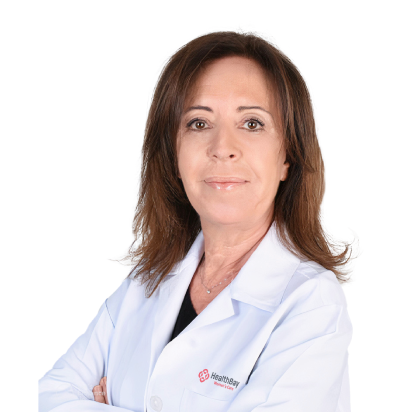
Dr. Aspasia Michalopoulou
Specialist Obstetrician & Gynecologist

Dr. Ayse Ekin Clemente
Specialist Obstetrician and Gynecologist

Dr. Christelle Abboud
Consultant Obstetrician and Gynecologist

Dr. Christian Jozsa
Consultant Obstetrician and Gynecologist

Dr. Liliana Skorski
Specialist Obstetrician and Gynecologist
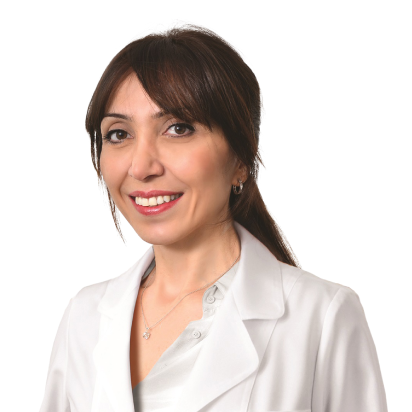
Dr. Mukaddes Oksuz
Consultant Obstetrician and Gynecologist (German Board-Certified)

Dr. Nabila Keloua
Consultant Obstetrics & Gynaecology

Dr. Nana Wiberg
Professor | Consultant Obstetrician & Gynaecologist

Dr. Nataliya Petrova Trifonova
Specialist Obstetrician & Gynecologist

Dr. Rupinder Kaur Ruprai
Specialist Obstetrician & Gynecologist

Dr. Suvarna Mohandas Mestha
Specialist Obstetrician & Gynaecologist


