






Understanding Acid Reflux: Symptoms, Triggers & Effective Treatment

Reviewed by
Dr. Vinod Hegade
Consultant in Gastroenterology, Hepatology and Internal Medicine
Frequent heartburn, regurgitation, or a burning sensation in the chest may be signs of acid reflux. Understanding its symptoms, triggers, and treatment options can help you manage the condition effectively, reduce discomfort, and protect your digestive health from long-term complications.
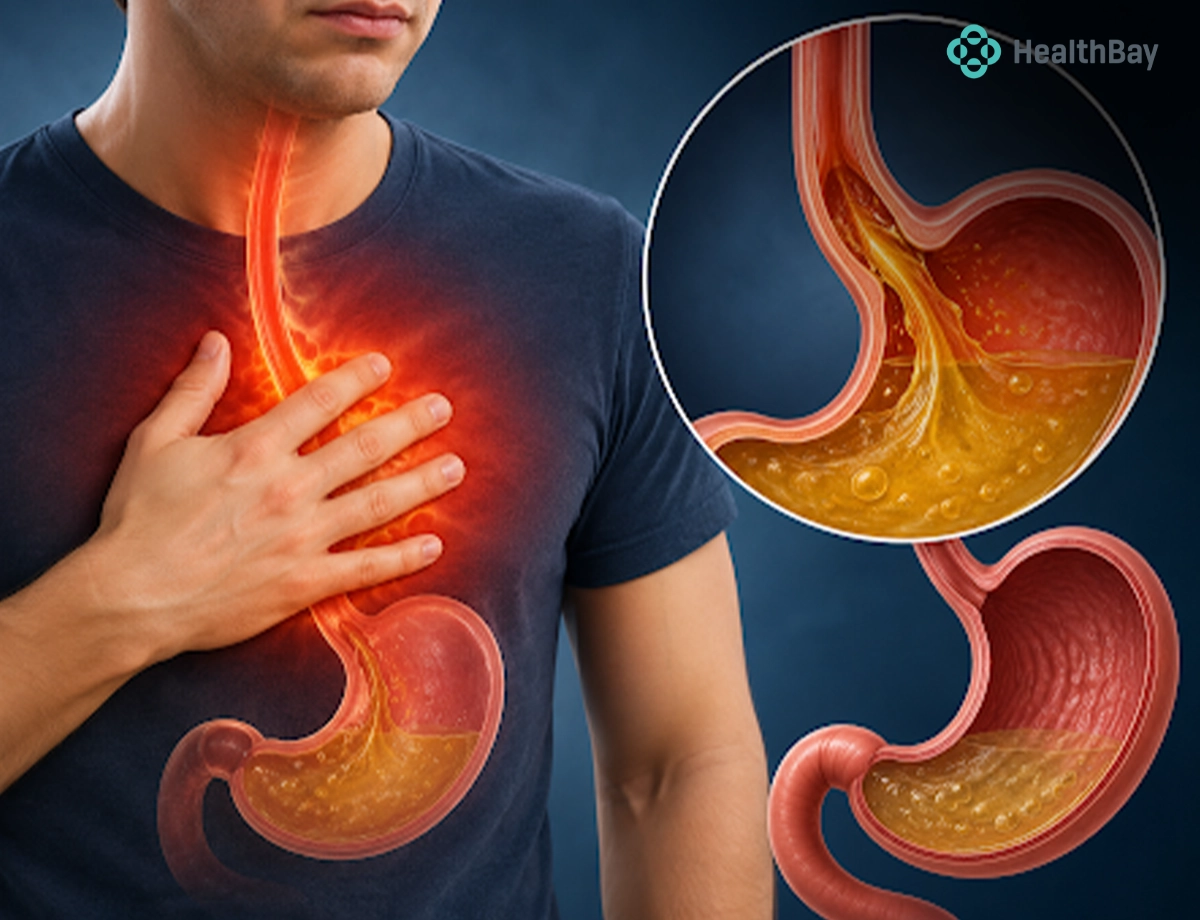
Acid reflux is one of the most common digestive conditions, affecting people of all ages. It occurs when stomach acid flows back into the esophagus, the tube that carries food from the mouth to the stomach. This backflow can irritate the lining of the esophagus, leading to symptoms such as heartburn, a sour taste in the mouth, and discomfort after eating.
While occasional acid reflux is common, frequent episodes may indicate a more serious condition known as gastroesophageal reflux disease (GERD). Recognizing the symptoms early and seeking appropriate treatment can help prevent complications and improve your quality of life.
What Is Acid Reflux?
Acid reflux happens when the lower esophageal sphincter (LES), a ring of muscle between the esophagus and stomach, does not close properly. Normally, the LES acts as a valve, preventing stomach contents from flowing backward. When it weakens or relaxes at the wrong time, stomach acid can move into the esophagus, causing irritation and discomfort.
Occasional acid reflux after a heavy meal or spicy food is usually not a cause for concern. However, symptoms that occur several times a week or interfere with daily activities should be evaluated by a healthcare professional.
Common Symptoms of Acid Reflux
Symptoms can vary from person to person. Some people experience mild discomfort, while others may have persistent symptoms that affect sleep, eating habits, and overall well-being.
Common symptoms include:
- A burning sensation in the chest (heartburn), especially after meals
- Sour or bitter-tasting fluid coming back into the mouth
- Regurgitation of food or stomach acid
- Difficulty swallowing
- A feeling of food getting stuck in the throat
- Chronic cough without another obvious cause
- Hoarseness or frequent throat clearing
- Sore throat, particularly in the morning
- Bad breath
- Nausea or bloating after eating
If these symptoms become frequent or severe, medical evaluation is recommended to determine the underlying cause and prevent potential complications.
What Causes Acid Reflux?
Several factors can contribute to acid reflux by increasing pressure on the stomach or weakening the lower esophageal sphincter.
Several factors can contribute to this condition, including:
Weakness of the Lower Esophageal Sphincter (LES)
A weakened LES allows stomach acid to flow back into the esophagus more easily.
Overeating or Consuming Large Meals
Large meals increase pressure inside the stomach, making acid reflux more likely.
Excess Body Weight
Being overweight or obese places additional pressure on the abdomen, increasing the likelihood of reflux.
Pregnancy
Hormonal changes and increased abdominal pressure during pregnancy can contribute to acid reflux, particularly during the later stages.
Delayed Stomach Emptying (Gastroparesis)
When food remains in the stomach longer than normal, it increases the chance of stomach acid flowing backward.
Hiatal Hernia
This condition occurs when part of the stomach moves through the diaphragm, affecting the normal function of the LES.
Smoking
Tobacco use can weaken the LES, reduce saliva production, and irritate the digestive tract, making reflux symptoms worse.
Certain Medications
Some medications, including certain blood pressure medicines, muscle relaxants, and pain relievers, may relax the LES or irritate the esophagus.
Common Triggers That Can Worsen Acid Reflux
Although triggers differ from person to person, certain foods and lifestyle habits commonly make symptoms worse.
These include:
- Spicy foods
- Fried and fatty meals
- Chocolate
- Citrus fruits and juices
- Tomatoes and tomato-based products
- Coffee and caffeinated beverages
- Carbonated drinks
- Alcohol
- Peppermint
- Eating large meals
- Lying down soon after eating
- Eating late at night
Keeping a food and symptom diary can help identify personal triggers and make it easier to avoid foods or habits that contribute to flare-ups.
Acid Reflux vs. GERD: Understanding the Difference
Many people use the terms acid reflux and GERD interchangeably, but they are not exactly the same.
Acid reflux refers to the occasional backflow of stomach acid into the esophagus. Gastroesophageal reflux disease (GERD) is a chronic condition in which acid reflux occurs repeatedly and may damage the lining of the esophagus over time.
Persistent GERD can increase the risk of complications such as inflammation of the esophagus (esophagitis), narrowing of the esophagus, ulcers, or Barrett’s esophagus. Early diagnosis and appropriate treatment can significantly reduce these risks.
How Is Acid Reflux Diagnosed?
If your symptoms are frequent, persistent, or do not improve with lifestyle changes or over-the-counter medications, your doctor may recommend further evaluation. An accurate diagnosis helps determine the severity of the condition and identify any underlying issues.
Diagnostic tests may include:
Medical History and Physical Examination
Your doctor will review your symptoms, eating habits, medical history, and any medications that may contribute to acid reflux.
Upper Endoscopy
An upper endoscopy allows the doctor to examine the esophagus, stomach, and upper part of the small intestine using a thin, flexible tube with a camera. This procedure helps detect inflammation, ulcers, Barrett’s esophagus, or other abnormalities.
Esophageal pH Monitoring
This test measures the amount of acid entering the esophagus over a 24-hour period and helps confirm the diagnosis of acid reflux or GERD.
Esophageal Manometry
Esophageal manometry evaluates the strength and coordination of the muscles in the esophagus, including the lower esophageal sphincter.
Effective Treatment Options for Acid Reflux
Treatment depends on the frequency and severity of symptoms, as well as the underlying cause. Most people achieve significant relief through a combination of lifestyle changes and medications.
Lifestyle Changes
Simple daily habits can help reduce acid reflux episodes:
- Eat smaller, more frequent meals.
- Avoid foods and drinks that trigger symptoms.
- Maintain a healthy body weight.
- Avoid lying down for at least two to three hours after eating.
- Elevate the head of your bed if nighttime symptoms are common.
- Quit smoking.
- Limit alcohol consumption.
- Wear loose-fitting clothing around the waist.
- Stay physically active.
Medications
Depending on your symptoms, your doctor may recommend medications such as:
- Antacids for quick relief
- H2 receptor blockers to reduce stomach acid production
- Proton pump inhibitors (PPIs) for more persistent symptoms
- Other prescription medications when clinically appropriate
Always take medications as directed by your healthcare provider and avoid prolonged self-medication without medical advice.
Advanced Treatment Options
For individuals with severe or persistent GERD that does not respond to medications, advanced treatment options may be considered. These may include minimally invasive procedures or surgery to strengthen the lower esophageal sphincter and reduce reflux.
When Should You See a Gastroenterologist?
Occasional heartburn is common, but persistent symptoms should not be ignored.
Seek medical attention if you experience:
- Heartburn more than twice a week
- Difficulty or pain while swallowing
- Persistent nausea or vomiting
- Unexplained weight loss
- Chest pain that requires immediate evaluation
- Symptoms that continue despite medication
- Frequent nighttime reflux affecting sleep
- Chronic cough, hoarseness, or repeated sore throat associated with reflux
Early evaluation by a gastroenterologist can help identify the cause of your symptoms and prevent long-term complications.
Preventing Acid Reflux
Although acid reflux cannot always be prevented, adopting healthy habits can significantly reduce the frequency of symptoms.
Helpful preventive measures include:
- Eat meals at regular times.
- Avoid overeating.
- Stay hydrated throughout the day.
- Reduce stress through relaxation techniques or regular exercise.
- Avoid smoking and excessive alcohol intake.
- Sleep with your upper body slightly elevated if nighttime reflux is a concern.
- Follow your treatment plan as advised by your healthcare provider.
Small, consistent lifestyle changes often provide lasting symptom relief and improve digestive health.
Why Choose HealthBay for Acid Reflux Care?
At HealthBay Clinic, our experienced digestive health specialists provide comprehensive evaluation and personalized treatment for acid reflux and other gastrointestinal conditions. Using advanced diagnostic technology and evidence-based treatment approaches, we focus on identifying the root cause of your symptoms and developing a care plan tailored to your needs.
Whether your symptoms are occasional or persistent, our multidisciplinary team is committed to helping you achieve long-term digestive health and an improved quality of life.
FAQs
No. Acid reflux refers to occasional backflow of stomach acid, while GERD is a chronic condition involving frequent acid reflux that may damage the esophagus over time.
Common triggers include spicy foods, fatty meals, chocolate, citrus fruits, tomatoes, caffeine, carbonated drinks, peppermint, and alcohol. Trigger foods vary between individuals.
Occasional acid reflux often improves with lifestyle changes. However, persistent or recurring symptoms should be evaluated by a healthcare professional to rule out GERD or other digestive conditions.
Yes. Stress can worsen acid reflux symptoms and may contribute to unhealthy eating habits or lifestyle factors that increase reflux episodes.
Occasional acid reflux is usually not serious. However, untreated chronic reflux can lead to complications such as esophagitis, ulcers, narrowing of the esophagus, or Barrett’s esophagus.
Diagnosis may involve reviewing your medical history, performing an upper endoscopy, esophageal pH monitoring, or esophageal manometry, depending on your symptoms.
Seek medical attention if symptoms occur frequently, interfere with daily life, or are accompanied by difficulty swallowing, unexplained weight loss, persistent chest discomfort, or ongoing vomiting.
Yes. Maintaining a healthy weight, avoiding trigger foods, eating smaller meals, quitting smoking, and avoiding lying down immediately after eating can significantly reduce acid reflux symptoms.
Don’t Let Acid Reflux Affect Your Quality of Life
Frequent heartburn or acid reflux can interfere with everyday activities and may lead to complications if left untreated. At HealthBay, our experienced team provides individualized care to diagnose and manage acid reflux effectively. Schedule an appointment today and take the next step toward better digestive health.
Find lasting relief from acid reflux with expert care at HealthBay. Book your appointment today.
Book an Appoinment


