






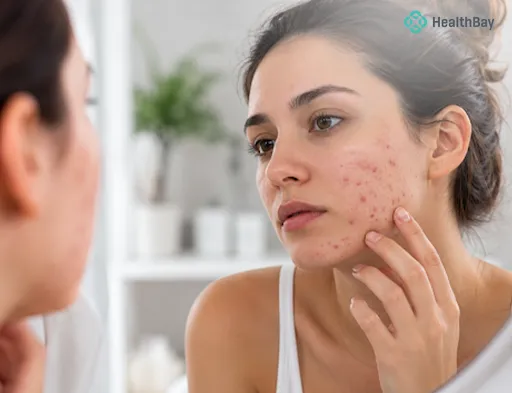
Acne in Adults: Why It Happens and When to See a Dermatologist

Reviewed by
Dr. Monika Figueiredo
Specialist Dermatology
Adult acne is a common skin condition that affects both men and women well beyond their teenage years. It can be caused by hormonal fluctuations, stress, genetics, medications, cosmetics, or underlying medical conditions. If acne is persistent, painful, leaves scars, or does not improve with over-the-counter treatments, consulting a dermatologist is the best way to identify the cause and receive personalised treatment.
Many people associate acne with adolescence, but adult acne is becoming increasingly common worldwide. In fact, dermatologists regularly treat patients in their 20s, 30s, 40s, and even 50s who experience persistent or newly developed acne.
Adult acne is more than a cosmetic concern. Frequent breakouts can affect self-confidence, emotional well-being, and overall quality of life. Without appropriate acne treatment , it may lead to permanent scarring, pigmentation, and recurring inflammation.
At HealthBay, our dermatologists understand that every patient’s skin is different. A personalised assessment helps determine why acne is occurring and which treatment approach is most effective for long-term skin health.
What Causes Acne in Adults?
Many people ask: “Why am I getting acne in my 30s?”
Adult breakouts are rarely caused by just one thing. Our dermatologists typically evaluate the following factors together:
Hormonal Fluctuations
Androgens (a group of hormones) increase oil production in the skin. Levels shift during the menstrual cycle, pregnancy, perimenopause, and with conditions like PCOS — which is one of the most common underlying causes of persistent adult acne in women.
Chronic Stress
Stress raises cortisol, which in turn stimulates the sebaceous glands to produce more oil, often worsening existing breakouts rather than causing new ones outright.
Dubai’s Heat and Humidity
Higher temperatures and humidity increase sweat and sebum production, which can clog pores more easily.
Medications
Certain drugs, including some corticosteroids, anticonvulsants, and hormonal contraceptives, can trigger or worsen acne as a side effect.
Skincare and Cosmetic Products
Heavy, comedogenic (pore-clogging) creams and makeup are a common but often overlooked cause, especially when layered under sunscreen in hot weather.
Genetics
If a parent had persistent or cystic acne, you’re statistically more likely to experience the same pattern.
Types of Adult Acne
Hormonal Acne
Usually affects the chin, jawline, and neck. Often linked to hormonal fluctuations.
Comedonal Acne
Characterised by whiteheads and blackheads. Usually caused by blocked pores.
Inflammatory Acne
Includes red bumps, pustules, and swollen lesions. Often associated with bacterial inflammation.
Cystic Acne
The most severe type, featuring large painful lumps and deep inflammation, with a higher risk of permanent scarring. Cystic acne should always be assessed by a dermatologist.
What Triggers Adult Acne?
Many patients ask:
“What makes adult acne worse?”
Common triggers include:
- Stress
- Poor sleep
- High-glycaemic diets
- Excess dairy in susceptible individuals
- Smoking
- Hormonal fluctuations
- Heavy cosmetics
- Poor skincare routine
- Touching or picking pimples
- Wearing tight helmets or masks for long periods
Although triggers vary between individuals, identifying personal patterns can help reduce future flare-ups.
When Should You See a Dermatologist for Acne?
This is the question that matters most, so here’s a direct checklist. See a dermatologist if:
- Breakouts persist for more than 2–3 months despite a consistent over-the-counter routine.
- Acne is painful, deep, or cystic — these lesions carry the highest risk of scarring.
- You’re noticing dark marks or scarring as breakouts heal.
- Acne appears suddenly in adulthood with no prior history, which can sometimes point to an underlying hormonal cause.
- It’s affecting your confidence or mental well-being — this alone is a valid reason to seek care, not just a cosmetic one.
- You suspect a hormonal link — irregular periods, excess facial hair, or acne that flares predictably with your cycle.
- You’ve tried multiple products without a clear plan and are unsure what’s actually working.
A dermatologist can identify the true underlying cause — rather than guessing — and build a treatment plan around it.
How Do Dermatologists Treat Adult Acne?
At HealthBay, treatment is tailored to the type and severity of acne, and typically draws from:
Topical Treatments
Retinoids, benzoyl peroxide, or topical antibiotics are commonly prescribed to reduce inflammation and normalize skin cell turnover.
Oral Medications
Antibiotics, hormonal therapy, or in more severe cases, isotretinoin, prescribed and monitored closely.
In-Clinic Procedures
Chemical peels, extractions, and laser therapy for active acne and resulting scars or pigmentation. Our complete guide to laser treatments in Dubai covers how these procedures work in more detail.
Lifestyle Guidance
Skincare routine adjustments, and where relevant, referral for hormonal evaluation.
Results are rarely instant. Most treatment plans need 8–12 weeks before their full effect is visible, which is why dermatologists generally ask patients to commit to a plan rather than switching products every few weeks.
Why Is Adult Acne Different from Teenage Acne?
Although both conditions involve clogged pores and inflammation, adult acne behaves differently from adolescent acne. Understanding these differences helps determine the most effective treatment approach.
How is adult acne different from teenage acne?
Adult acne tends to be more persistent and is often influenced by hormonal fluctuations, chronic stress, skincare habits, and underlying health conditions. Teenage acne is more commonly driven by puberty-related hormonal changes and usually improves with age.
| Adult Acne | Teenage Acne |
|---|---|
| Common between ages 25–50 | Most common during puberty |
| Frequently affects the chin, jawline, and neck | Commonly affects the forehead, nose, and cheeks |
| More common in women | Affects both boys and girls equally |
| Often linked to hormonal changes, stress, or PCOS | Primarily caused by puberty-related hormone changes |
| May recur for years without treatment | Often improves naturally over time |
Because adult acne has multiple contributing factors, successful treatment usually requires a personalised management plan rather than a one-size-fits-all solution.
Building an Effective Skincare Routine for Adult Acne
A simple, consistent skincare routine can help control adult acne and improve treatment results. Use a gentle, non-comedogenic cleanser twice daily, followed by an oil-free moisturiser to keep the skin hydrated without clogging pores. Apply a broad-spectrum SPF 30+ sunscreen every day—this matters even more in Dubai, where year-round UV intensity can darken post-acne marks and undo other progress, as covered in our Dubai climate skincare guide.
Choose skincare and makeup products labelled non-comedogenic, oil-free, and dermatologist-tested. Avoid harsh scrubs, over-cleansing, or introducing multiple new products at once, as these can irritate the skin and worsen breakouts. A dermatologist can recommend a personalised routine based on your skin type and acne severity.
Lifestyle Factors That Influence Adult Acne
Although lifestyle habits do not directly cause acne, they can influence its severity and frequency. Combining healthy daily habits with professional dermatological care often leads to better long-term outcomes.
Nutrition
Research continues to explore the relationship between diet and acne. While no single food causes acne in everyone, some individuals notice flare-ups after consuming foods with a high glycaemic index, sugary beverages, or excessive dairy products.
A balanced diet rich in vegetables, fruits, lean proteins, healthy fats, and whole grains supports overall skin health and helps reduce inflammation throughout the body.
Sleep
Quality sleep is essential for skin repair and hormone regulation. Poor sleep may increase stress hormone levels, potentially worsening existing acne. Most adults should aim for seven to nine hours of sleep each night.
Stress Management
Stress is one of the most common aggravating factors for adult acne. Chronic stress increases cortisol levels, which may stimulate oil production and inflammation. Regular exercise, mindfulness practices, meditation, and adequate rest can all contribute to healthier skin.
Physical Activity
Exercise improves blood circulation and supports overall health. However, sweat mixed with oil and bacteria may contribute to clogged pores if it remains on the skin for long periods. Cleansing the skin after exercise and wearing breathable clothing can help minimise this risk.
Common Mistakes That Can Make Adult Acne Worse
Many adults unintentionally worsen their acne through everyday habits. Avoiding these common mistakes can improve treatment outcomes and reduce the risk of scarring.
Frequently Changing Products
Acne treatments require time to work. Constantly switching products every few weeks prevents the skin from responding properly and may increase irritation.
Picking or Squeezing Pimples
One of the leading causes of acne scars is picking at inflamed lesions. Squeezing pimples pushes bacteria and inflammation deeper into the skin, increasing the likelihood of permanent scarring and pigmentation.
Overwashing the Face
Washing more than twice a day does not remove acne. Excessive cleansing strips away natural oils, causing irritation and potentially stimulating additional oil production.
Skipping Moisturiser
Healthy skin requires adequate hydration. A compromised skin barrier may become more sensitive to acne treatments and environmental irritants.
Ignoring Persistent Acne
Many people hope acne will resolve naturally. However, untreated inflammatory acne may continue for years and significantly increase the risk of permanent scars.
Managing Acne Scars and Post-Acne Marks
Even after active acne has cleared, many patients remain concerned about the marks left behind. These may include post-inflammatory hyperpigmentation, which appears as dark spots, or permanent acne scars caused by damage to deeper layers of the skin.
Fortunately, several advanced dermatological treatments can improve the appearance of acne scars and uneven skin texture. Depending on the type and severity of scarring, treatment options may include chemical peels, microneedling, laser resurfacing, collagen-stimulating procedures, and combination therapies.
Early treatment of active acne remains the most effective way to minimise long-term scarring.
FAQs
Yes. Adult-onset acne is common and can occur due to hormonal changes, stress, medications, genetics, skincare products, or underlying medical conditions, even if you had clear skin during adolescence.
Acne around the jawline and chin is often associated with hormonal fluctuations. It is particularly common in women during menstrual cycles, pregnancy, perimenopause, or conditions such as PMOS.
Most prescription acne treatments require 8 to 12 weeks before noticeable improvement occurs. Severe acne may take longer and often requires regular follow-up with a dermatologist.
Yes. Chronic stress increases cortisol levels, which can stimulate oil production and inflammation, making existing acne more severe or causing more frequent flare-ups.
Not necessarily. Choose non-comedogenic and oil-free makeup products, remove makeup thoroughly before bedtime, and follow a consistent skincare routine to minimise clogged pores.
Diet affects people differently. High-glycaemic foods and excessive dairy may contribute to breakouts in some individuals, but maintaining a balanced diet supports overall skin health.
Yes. Deep inflammatory or cystic acne can damage the skin and cause permanent scars if left untreated. Early treatment significantly reduces the risk of scarring.
Treatment depends on the severity and cause of acne. Options may include topical medications, oral medicines, hormonal therapy, chemical peels, laser treatments, microneedling, and personalised skincare recommendations.
You should consult a dermatologist if your acne persists despite over-the-counter treatments, is painful or cystic, causes scarring, or affects your confidence and daily life.
While there is no universal permanent cure, most cases of adult acne can be successfully controlled with the right combination of medical treatment, skincare, and lifestyle modifications. Regular follow-up helps prevent future breakouts and maintain healthy skin.
Clearer Skin Starts with Expert Dermatology Care
Adult acne is a treatable condition, but finding the right treatment often requires identifying its underlying cause. Whether your breakouts are linked to hormones, stress, lifestyle, or persistent inflammation, early diagnosis can help prevent acne scars and improve your skin’s long-term health.
At HealthBay, our experienced dermatologists provide personalised acne assessments and evidence-based treatment plans tailored to your skin type and concerns. From medical therapies to advanced procedures for acne scars and pigmentation, we are committed to helping you achieve healthier, clearer skin with confidence.
Book a consultation with our dermatology specialists today and take the first step towards long-lasting acne control and healthier skin.
Book an Appoinment


