






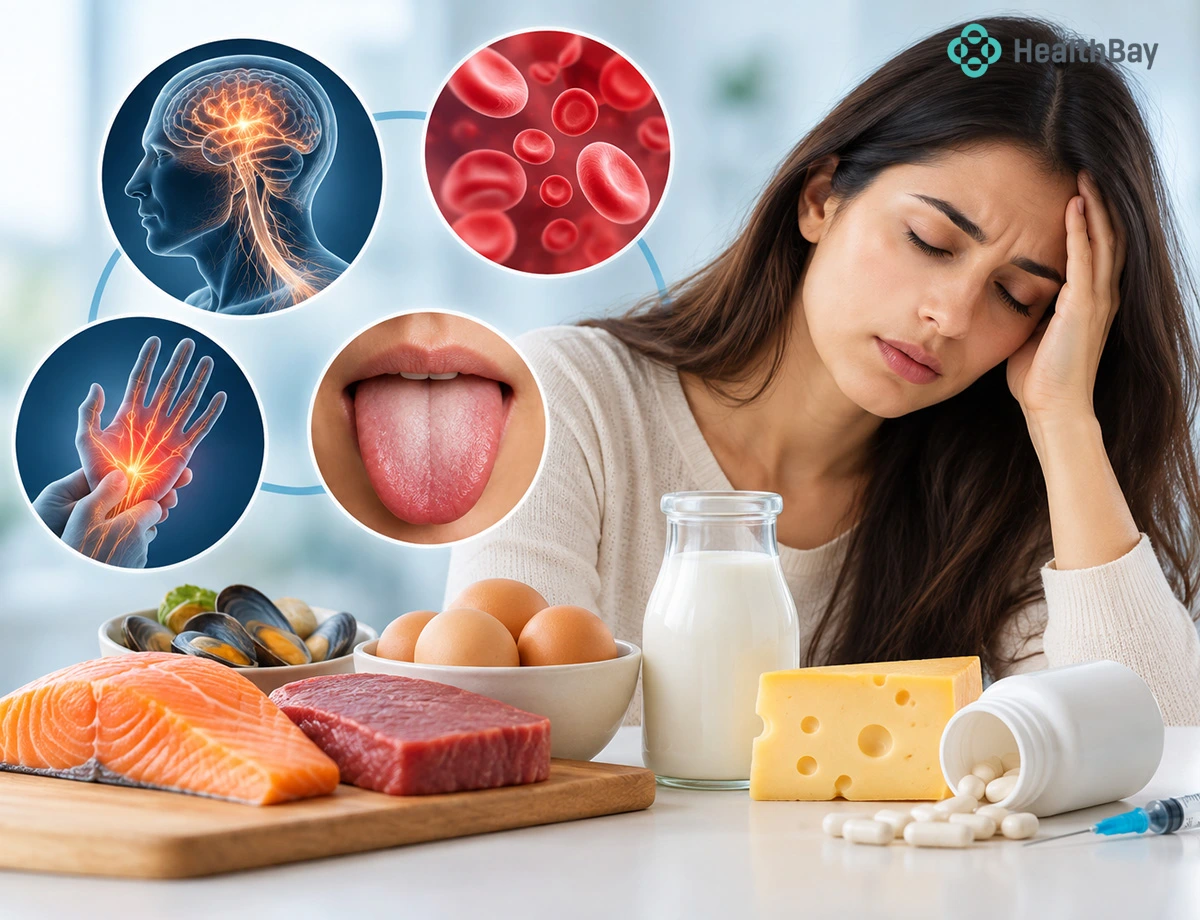
Vitamin B12 Deficiency: Symptoms, Causes and Treatment Options
Vitamin B12 deficiency occurs when the body does not get or absorb enough vitamin B12. Common signs include fatigue, tingling in the hands and feet, pale skin and poor concentration. It is confirmed with blood tests and treated with B12 supplements or injections, along with managing any underlying cause. A family medicine doctor can guide testing and treatment.
Vitamin B12 is an essential nutrient that supports red blood cell production, DNA synthesis, nerve function and overall health. When the body does not receive or absorb enough vitamin B12, it can lead to vitamin B12 deficiency. This condition may develop gradually, and its symptoms can sometimes be mistaken for general fatigue or other health concerns.
Recognising the early signs of vitamin B12 deficiency is important because untreated deficiency can cause anaemia and, in some cases, potentially lasting nerve damage. Understanding its causes, risk factors and treatment options can help you seek appropriate medical advice and protect your long-term health.
What Is Vitamin B12 Deficiency?
Vitamin B12 deficiency occurs when the body has insufficient vitamin B12 to perform essential functions. Also known as cobalamin, vitamin B12 helps maintain healthy nerve cells, supports the formation of red blood cells and contributes to normal brain function.
The body cannot produce vitamin B12 independently, so it must obtain this nutrient through food or supplements. Deficiency may occur due to inadequate dietary intake, problems with absorption or certain medical conditions.
If left untreated, vitamin B12 deficiency can lead to megaloblastic anemia, a condition in which the body produces unusually large red blood cells that do not function properly.
Common Symptoms of Vitamin B12 Deficiency
Symptoms can vary depending on the severity and duration of the deficiency. Some people develop symptoms gradually, while others may notice more significant changes.
1. Persistent Fatigue and Weakness
Vitamin B12 is necessary for healthy red blood cell production. When levels are low, the body may not deliver oxygen efficiently to its tissues, resulting in tiredness, weakness and reduced energy.
2. Numbness and Tingling
A deficiency can affect the nervous system, causing tingling, numbness or a pins-and-needles sensation in the hands and feet. These symptoms should not be ignored, particularly if they persist or worsen.
3. Pale or Yellowish Skin
Vitamin B12 deficiency can contribute to anaemia, which may cause pale skin. In some cases, the breakdown of abnormal red blood cells can result in a mild yellowish appearance of the skin or eyes.
4. Memory and Concentration Problems
Some individuals experience difficulty concentrating, forgetfulness or mental fog. Severe or prolonged deficiency may affect cognitive function, making early assessment important.
5. Dizziness and Shortness of Breath
Anaemia associated with vitamin B12 deficiency may cause dizziness, headaches, a racing heartbeat or breathlessness, especially during physical activity.
6. A Sore or Smooth Tongue
Glossitis, or inflammation of the tongue, may cause redness, soreness or a smooth appearance. Some people also experience mouth ulcers or changes in taste.
7. Mood Changes
Low vitamin B12 levels may be associated with irritability, low mood and other psychological symptoms. However, these symptoms can have many causes and require appropriate assessment.
What Causes Vitamin B12 Deficiency?
Several factors can contribute to low vitamin B12 levels.
1. Insufficient Dietary Intake
Vitamin B12 is naturally found mainly in animal-derived foods. People following vegan diets, and some vegetarians who consume limited dairy or eggs, may be at increased risk if they do not obtain sufficient B12 from fortified foods or supplements.
2. Poor Vitamin B12 Absorption
Even when dietary intake is adequate, certain conditions can prevent the body from absorbing vitamin B12 properly. These include pernicious anaemia, autoimmune gastritis and some gastrointestinal disorders.
3. Gastrointestinal Conditions and Surgery
Conditions affecting the stomach or small intestine, including coeliac disease and Crohn’s disease, may interfere with nutrient absorption. Certain stomach or intestinal surgeries can also increase the risk.
4. Certain Medications
Long-term use of some medications, including metformin and proton pump inhibitors, may contribute to lower vitamin B12 levels. People taking these medicines should discuss relevant risks and monitoring with their healthcare professional rather than stopping treatment independently.
5. Increasing Age
Older adults may have reduced stomach acid production or other changes that affect vitamin B12 absorption. This can increase the likelihood of deficiency even when their diet contains B12.
Who Is at Higher Risk of Vitamin B12 Deficiency?
Although anyone can develop vitamin B12 deficiency, certain groups are more susceptible:
- People following vegan diets without reliable B12 supplementation or fortified foods.
- Older adults with reduced vitamin B12 absorption.
- Individuals with pernicious anaemia or gastrointestinal disorders.
- People who have undergone certain stomach or intestinal surgeries.
- Individuals taking medications that can interfere with B12 absorption over time.
If you belong to a higher-risk group, a family medicine doctor in Dubai can advise whether testing or ongoing monitoring is appropriate.
How Is Vitamin B12 Deficiency Diagnosed?
Diagnosis usually involves reviewing symptoms, medical history, dietary habits and medication use, followed by appropriate blood tests.
Common investigations may include:
- Complete blood count (CBC): Checks red blood cell levels and other blood components and may identify anemia.
- Serum vitamin B12 test: Measures the amount of vitamin B12 in the blood.
- Methylmalonic acid (MMA): May help clarify whether a borderline B12 result reflects a functional deficiency.
- Additional tests: Depending on the suspected cause, a clinician may recommend folate testing, investigations for pernicious anaemia or tests for underlying gastrointestinal conditions.
Not everyone needs every test. Results should be interpreted alongside symptoms and clinical findings because a normal blood count does not always exclude vitamin B12 deficiency.
Vitamin B12 Deficiency Treatment Options
Treatment depends on the severity of the deficiency, its underlying cause and the body’s ability to absorb vitamin B12.
1. Vitamin B12 Supplements
Oral vitamin B12 supplements may be appropriate for dietary deficiency and some other cases. The dose and duration depend on individual requirements and the suspected cause.
2. Vitamin B12 Injections
Intramuscular vitamin B12 injections may be recommended when deficiency is significant, absorption is impaired or neurological symptoms are present. The frequency and duration of injections depend on the diagnosis and treatment response.
3. Dietary Changes
Increasing vitamin B12-rich foods can help prevent or address inadequate dietary intake. However, dietary changes alone may not correct deficiency caused by poor absorption. A dietitian can help you plan B12-rich meals that suit your diet and lifestyle.
4. Treating the Underlying Cause
If vitamin B12 deficiency results from an underlying condition, such as pernicious anaemia or a gastrointestinal disorder, treating that condition and arranging appropriate follow-up are essential.
Neurological symptoms require timely medical assessment, and a neurologist can evaluate persistent nerve-related symptoms, because delayed treatment can increase the risk of lasting complications.
Foods Rich in Vitamin B12
Including vitamin B12 sources in your diet can help maintain healthy levels.
| Food | Vitamin B12 Benefit |
|---|---|
| Fish and seafood | Provide naturally occurring vitamin B12. |
| Eggs | Supply vitamin B12 and other essential nutrients. |
| Milk and dairy products | Contribute to daily B12 intake. |
| Meat and poultry | Provide vitamin B12 in a readily available dietary form. |
| Fortified breakfast cereals | Can provide B12 for people who consume fortified products. |
| Fortified plant-based milk | May help meet B12 needs when the product contains added vitamin B12. |
Vitamin B12 content varies by food and serving size. People following vegan diets generally need a reliable source of fortified foods or a suitable supplement.
Can Vitamin B12 Deficiency Be Prevented?
Many cases caused by inadequate dietary intake can be prevented with a balanced diet and appropriate supplementation when needed. However, deficiency related to absorption problems may require long-term treatment even when dietary intake is adequate.
To reduce your risk:
- Include reliable sources of vitamin B12 in your diet.
- Discuss supplementation if you follow a vegan diet.
- Seek medical advice if you have persistent fatigue, tingling or unexplained weakness.
- Review potential medication-related risks with your healthcare professional.
- Follow recommended testing and treatment plans if you have a condition affecting vitamin B12 absorption.
Avoid taking high-dose supplements as a substitute for investigating persistent symptoms or an unexplained deficiency.
When Should You See a Doctor?
Consult a healthcare professional if you experience persistent fatigue, numbness, tingling, balance difficulties, unexplained weakness or memory changes. These symptoms can have several causes, so an accurate diagnosis is important before starting treatment.
Seek prompt medical assessment for new or worsening neurological symptoms, significant breathlessness or other concerning changes. Early identification and appropriate treatment can help prevent complications.
FAQs
Early signs may include fatigue, weakness, difficulty concentrating, a sore tongue and tingling in the hands or feet. Symptoms vary between individuals.
Common causes include inadequate dietary intake, poor absorption, pernicious anaemia, gastrointestinal conditions and certain medications.
Hair loss is not a specific or reliable sign of vitamin B12 deficiency. If you experience unexplained hair loss, a healthcare professional can assess potential nutritional, hormonal and other causes.
Treatment may involve oral supplements, vitamin B12 injections, dietary changes or management of an underlying absorption problem.
Fish, shellfish, meat and certain animal-derived foods are good sources. Fortified foods can also help people who consume little or no animal-derived food.
Yes. It can cause numbness, tingling, balance problems and other neurological symptoms. Prolonged untreated deficiency may result in lasting nerve damage.
Recovery depends on the severity, cause and treatment. Some symptoms may improve within weeks, while anaemia and neurological symptoms can take longer to resolve.
Testing may be appropriate for people with suggestive symptoms, certain dietary restrictions, absorption disorders, relevant medication exposure or other recognised risk factors. A healthcare professional can determine whether testing is needed.
Don’t Overlook the Signs of Low Vitamin B12
Vitamin B12 deficiency can affect energy levels, red blood cell production, brain function and nerve health. Recognising the symptoms, understanding the underlying causes and seeking timely diagnosis can help reduce the risk of complications.
If you experience persistent symptoms or have concerns about your vitamin B12 levels, consult a qualified healthcare professional for an individual assessment and appropriate treatment advice.
Get the Right Medical Guidance
At HealthBay , patients can seek professional guidance for symptoms, nutritional concerns and appropriate diagnostic evaluation. Speak with a qualified healthcare professional to understand your symptoms and determine the next steps for your health.
Book an appointment with our family medicine team at HealthBay Clinic for personalised medical advice and care.
Book an Appoinment


