






Meningitis Symptoms in Children – Warning Signs Every Parent in Dubai Should Know

Reviewed by
Dr. Sara Khawaja
Specialist Paediatrician & Developmental Paediatrician
Meningitis B is one of the most serious infections a young child can face – and one of the fastest-moving. Meningococcal disease can cause bacterial septicaemia (blood infection) and meningitis, and it can turn life-threatening within hours. The good news is that it’s also one of the more preventable childhood risks, thanks to a vaccine now widely available in the UAE.
Meningococcal B vaccine that protects against meningococcal group B infection, has been licensed in the UAE and is readily available to families in Dubai. It’s approved from 2 months of age and is a routine recommendation many paediatricians make to every patient, not just those with known risk factors.
What Is Meningitis?
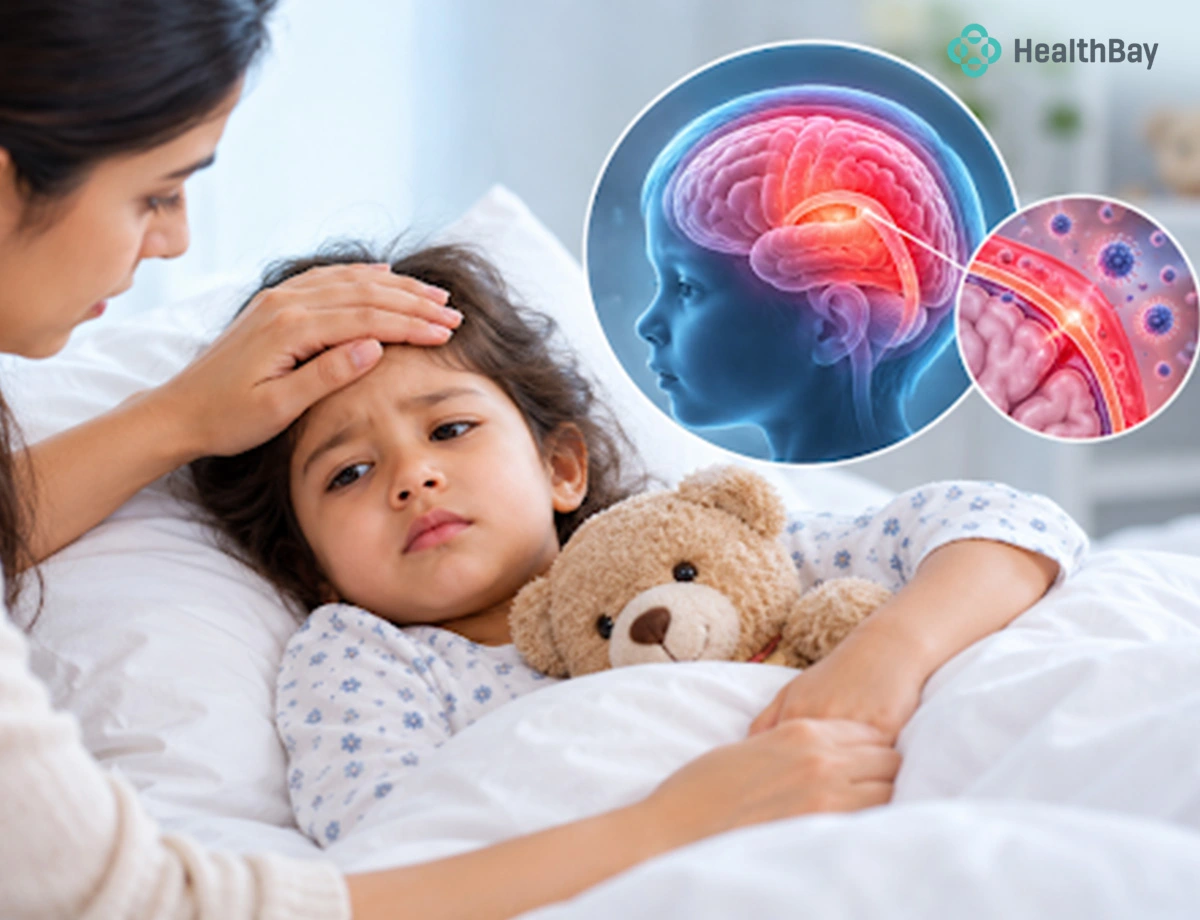
Meningitis occurs when the protective membranes surrounding the brain and spinal cord become inflamed. Different infections can cause meningitis, including bacterial and viral infections.
The symptoms and severity can vary depending on the cause and the child’s age. A healthcare professional needs to assess the child to determine the cause and appropriate treatment.
What Causes Meningitis in Children?
Several organisms can trigger meningitis, but the ones parents hear about most often include:
- Neisseria meningitidis (meningococcus) – includes several serogroups, with group B being one of the most common causes of invasive meningococcal disease in young children in many countries.
- Streptococcus pneumoniae (pneumococcus) – a leading cause of bacterial meningitis, largely reduced in areas with routine pneumococcal vaccination.
- Haemophilus influenzae type b (Hib) – once a major cause of childhood meningitis, now far less common where Hib vaccination is routine.
- Viruses – including enteroviruses and herpesviruses
Understanding that meningitis has multiple possible causes helps explain why no single vaccine prevents every case, and why symptom awareness remains essential even for vaccinated children.
Common Meningitis Symptoms in Children
Meningitis symptoms may not appear in the same order or with the same intensity in every child. Common symptoms include:
1. Fever
A sudden or persistent fever can be an early warning sign. Fever may occur alongside other symptoms such as headache, vomiting or unusual tiredness.
2. Severe Headache
Older children may complain of a severe or worsening headache. A headache accompanied by other meningitis symptoms should not be ignored.
3. Stiff Neck
A stiff or painful neck is one of the commonly recognised symptoms of meningitis, particularly in older children.
4. Vomiting
Repeated vomiting may occur with meningitis. When vomiting happens together with fever, headache, unusual sleepiness or other concerning symptoms, medical assessment is important.
5. Sensitivity to Light
Some children may become unusually uncomfortable around bright lights, known as photophobia.
6. Unusual Sleepiness or Difficulty Waking
A child who is unusually sleepy, difficult to wake, confused or less responsive than normal needs urgent medical attention.
7. Seizures
Seizures can occur with meningitis and require immediate medical evaluation.
8. A Rash That Does Not Fade When Pressed
A red, purple or blotchy rash that does not fade when pressed can be an important warning sign, particularly when the child is also unwell.
However, not every child with meningitis develops a rash, so parents should not wait for a rash before seeking help if other concerning symptoms are present.
Quick Reference: When Symptoms Overlap With Common Illnesses
| Symptom | Common in mild viral illness | More concerning for meningitis |
|---|---|---|
| Fever | Usually settles with rest and fluids | Persistent, rising, or with other red-flag signs |
| Vomiting | Occasional, child otherwise responsive | Repeated, with drowsiness or headache |
| Sleepiness | Child rouses normally, interacts | Difficult to wake, doesn’t engage |
| Rash | Fades when pressed | Does not fade under pressure |
| Neck stiffness | Rare, mild if present | Painful, limits movement, with headache |
Meningitis Symptoms in Babies
Recognising meningitis can be more difficult in babies because they may not have the typical symptoms seen in older children.
Parents may notice:
- Poor feeding or refusing feeds
- Irritability
- An unusual or high-pitched cry
- Being unusually sleepy or inactive
- Floppiness or reduced responsiveness
- Vomiting
- A bulging soft spot on the head
- Abnormal movements or reflexes
When Should Parents Seek Emergency Medical Care?
Seek emergency medical attention if your child has symptoms that could indicate meningitis, especially if they include:
- Difficulty waking or reduced responsiveness
- A seizure
- A stiff neck with severe headache or sensitivity to light
- A non-fading rash
- Severe or rapidly worsening symptoms
- Difficulty breathing
- Unusual confusion or behaviour
- A baby who is floppy, feeding poorly or unusually difficult to wake
Meningococcal disease and bacterial meningitis can progress rapidly, so parents should not wait for symptoms to become severe before seeking medical help.
Important: If you believe your child may have meningitis, seek urgent medical care rather than waiting for an appointment or trying to manage the symptoms at home.
Can Meningitis Be Prevented?
Some forms of meningitis can be prevented through vaccination. Vaccines are available against certain bacteria that can cause meningitis, including meningococcal bacteria, pneumococcal bacteria and Haemophilus influenzae type b (Hib).
Keeping up with other routine immunisations, such as flu vaccine, also plays a role in reducing a child’s overall risk from serious infections during the school-age years. Parents should discuss their child’s full vaccination schedule and individual risk factors with a qualified healthcare professional.
Vaccination does not prevent every possible cause of meningitis, so knowing the warning signs remains essential – even for children who are fully vaccinated.
Why Early Recognition Matters
Meningitis can sometimes begin with symptoms that resemble common childhood illnesses. A child may initially have fever, vomiting, headache or tiredness, making it difficult to recognise the condition immediately.
However, bacterial meningitis can become serious within a short period. Prompt medical assessment allows healthcare professionals to investigate the cause and begin appropriate treatment when necessary.
Life After Meningitis: What Parents Should Know About Recovery
For children who are treated promptly, many recover fully. However, recovery from meningitis depends a lot on the type. Viral meningitis usually clears up without lasting problems. Bacterial meningitis is a different story: around one in five people who survive it are left with some long-term effects. These range from mild to serious:
- Hearing loss is the most common
- Learning difficulties, problems with memory or concentration, delayed speech.
- Behavioural changes
- Seizures
- Physical disabilities
- Vision difficulties
In some children, these complications occur early in the illness, however in other cases, the complications only become clear months or years later, often once a child starts school.
Paediatricians typically schedule a follow-up review after a hospital admission for meningitis to check on these areas, even once the child appears to have recovered well.
Need Paediatric Care in Dubai?
If your child has concerning symptoms or you need guidance about childhood infections, vaccinations, or preventive healthcare, consult a qualified paediatrician at HealthBay in Dubai.
Book a paediatric consultation at HealthBay for professional evaluation and personalised guidance about your child’s health.
Book an Appoinment


