






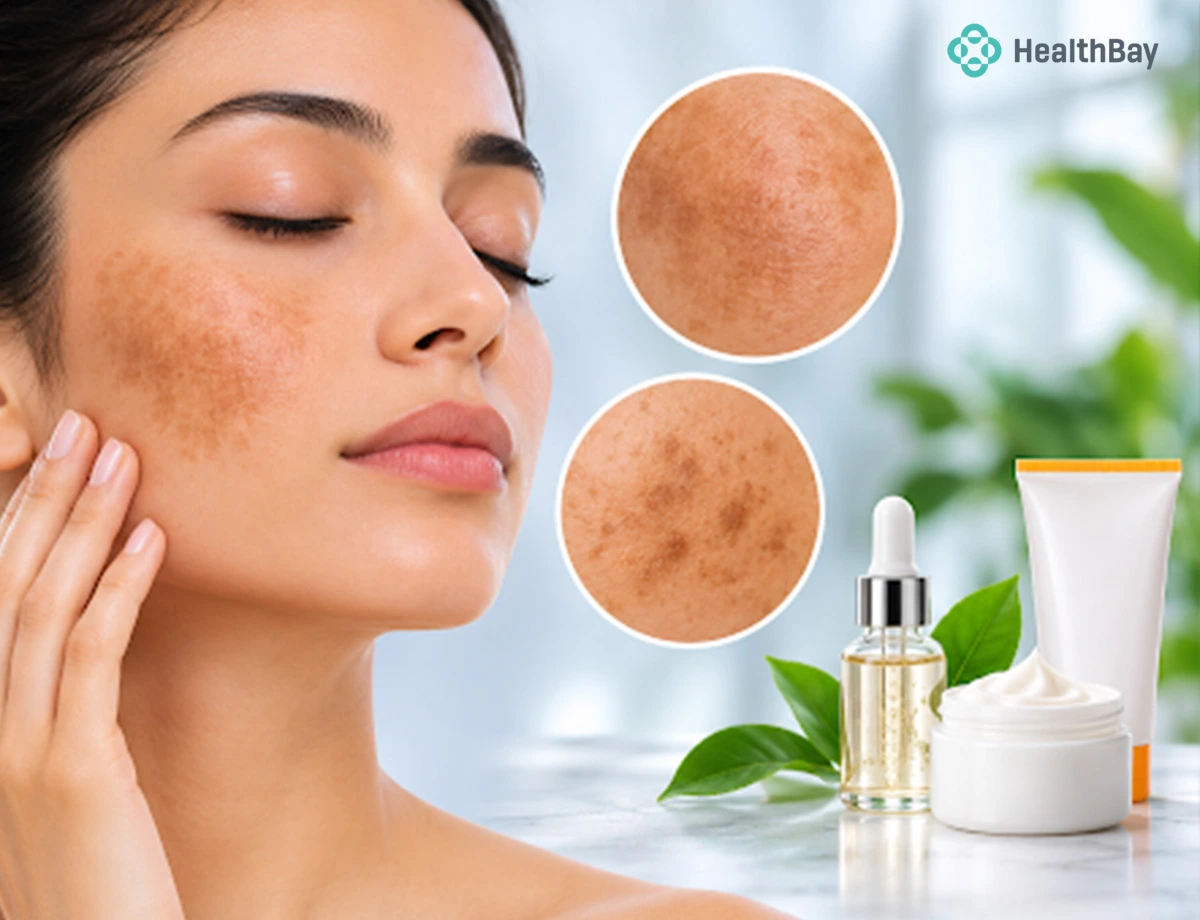
Melasma vs. Hyperpigmentation: How to Identify and Treat Dark Patches
Hyperpigmentation refers to darker patches of skin caused by excess melanin. Melasma is a specific type that typically appears as symmetrical brown or grey-brown patches on the face, often triggered by hormones, sun exposure and heat. Other forms include sunspots and post-acne marks. Since each type requires a different approach, accurate diagnosis is essential for effective treatment.
You notice a dark patch on your cheek, a shadow above your lip or a few stubborn marks that never seem to fade. You try a brightening serum, but nothing changes. Sometimes, the patches may even become more noticeable.
Not all dark patches are the same. In a sunny climate like Dubai, where UV exposure is high throughout the year, pigmentation concerns are common. Many people use the terms “melasma” and “hyperpigmentation” interchangeably, but they have different causes, characteristics and treatment requirements. Consulting an experienced dermatologist can help identify the underlying cause and determine the most suitable approach to managing these skin concerns.
Understanding the difference between melasma and other forms of hyperpigmentation is essential before choosing skincare products or medical treatments. With an accurate diagnosis, dermatologist-guided care and an appropriate treatment plan, many pigmentation concerns can be managed effectively.
What Is Hyperpigmentation?
Hyperpigmentation refers to the darkening of certain areas of the skin due to increased melanin production or an uneven distribution of pigment. Melanin is the natural pigment responsible for giving skin its colour and helping protect it from ultraviolet radiation.
When the skin produces excess melanin in certain areas, dark spots or patches may develop. These can appear on the face, neck, hands, arms and other parts of the body.
Hyperpigmentation can develop for several reasons, including:
- Sun exposure: Ultraviolet radiation can stimulate melanin production, resulting in sunspots and uneven skin tone.
- Post-inflammatory changes: Dark marks may appear after acne, eczema, skin irritation or an injury heals.
- Hormonal influences: Changes in hormone levels can contribute to certain pigmentation conditions.
- Skin irritation: Inflammation caused by unsuitable skincare products or cosmetic procedures may trigger pigmentation.
- Age-related changes: Cumulative sun exposure over the years can contribute to the development of dark spots.
Hyperpigmentation is not a single disease. It describes a visible skin change that may have different underlying causes.
What Is Melasma?
Melasma is a chronic pigmentary disorder that typically affects the face and develops soft-edged brown, tan or grey-brown patches. It is more common in women and in people with medium to deeper skin tones, which includes many residents across the Middle East and South Asia. It can also appear in men.
Unlike a sun spot that develops purely from UV damage, melasma has several triggers working together:
- Hormonal changes: Pregnancy, birth control pills and hormone therapy are well-known triggers, which is why melasma is sometimes called the “mask of pregnancy”.
- UV and visible light: Even short sun exposure, and in some people the visible light from the sun, can activate the pigment cells.
- Heat: Hot environments can worsen melasma, which is why caring for your skin in Dubai’s climate matters, especially in summer.
- Genetics: If close relatives have melasma, your chances are higher.
Melasma is not harmful and it is not contagious, but it tends to come and go. It often fades a little in cooler months and returns when sun and heat increase.
Common Causes and Triggers of Melasma
Several factors can contribute to the development or worsening of melasma.
1. Hormonal Changes
Hormonal fluctuations during pregnancy, while taking hormonal contraceptives or during other hormonal changes may contribute to melasma. This is why the condition is sometimes referred to as the mask of pregnancy.
2. Sun Exposure
Exposure to ultraviolet radiation is one of the most important triggers of melasma. Sunlight can stimulate pigment production and make existing patches more noticeable.
3. Visible Light Exposure
Visible light, particularly high-energy visible light, may worsen pigmentation in individuals prone to melasma. This is especially relevant for people with darker skin tones.
4. Genetic Predisposition
A family history of melasma may increase the likelihood of developing the condition. Some individuals are naturally more susceptible to pigmentation changes.
5. Heat Exposure
Heat may aggravate melasma in some individuals. High temperatures and repeated exposure to heat may contribute to flare-ups, although the relationship varies between individuals.
Melasma vs. Hyperpigmentation: What Is the Difference?
The main difference is that melasma is a specific type of hyperpigmentation, while hyperpigmentation includes several different forms of skin darkening.
Understanding the appearance, location and possible triggers can help distinguish between these concerns.
| Feature | Melasma | Other Forms of Hyperpigmentation |
|---|---|---|
| Appearance | Brown or grey-brown patches | Dark spots, marks or uneven patches |
| Common locations | Cheeks, forehead, upper lip and chin | Face, neck, hands and other body areas |
| Main triggers | Hormones, sunlight and genetic factors | Sun exposure, inflammation, acne and skin irritation |
| Pattern | Often symmetrical on the face | May appear in individual or scattered areas |
| Duration | Often chronic and recurring | Depends on the underlying cause |
| Management | Requires long-term pigment control and sun protection | Depends on the specific type and cause |
It is important to remember that visual appearance alone cannot confirm the type of pigmentation. A dermatologist can assess the affected area and recommend appropriate investigations when necessary.
When a Dark Patch Needs a Medical Check
Most dark patches are harmless, but see a doctor promptly if a spot or mole:
- Changes in size, shape or colour.
- Has uneven borders or several colours.
- Bleeds, itches or does not heal.
- Appears suddenly in a very different way from your other skin marks.
These signs need to be checked to rule out skin conditions that are not pigmentation concerns at all. Do not try to treat them at home.
How Dark Patches Are Treated
The right plan depends on the type, how deep the pigment is, your skin tone and your triggers. In general, treatment is built around four steps.
1. Protect the Skin Every Day
Sun protection is the foundation for every type of dark patch. A broad-spectrum sunscreen with a high SPF, applied every morning and reapplied when outdoors, helps stop pigment from getting darker.
For melasma, products that also protect against visible light, such as tinted sunscreens containing iron oxides, are often recommended. Hats and shade add extra protection, and treatment results will not last without them.
2. Use Targeted Skincare
Doctors often recommend ingredients that calm pigment production or help the skin renew itself, such as azelaic acid, vitamin C, niacinamide, retinoids and tranexamic acid in topical form. Some stronger prescription lightening agents are used only for a limited time under medical supervision.
Using too many strong products at once can irritate the skin and cause new pigmentation, so more is not better.
3. Consider Professional Procedures
For patches that do not respond to skincare, clinics may offer procedures such as superficial chemical peels, microneedling or certain lasers. This is where a correct diagnosis matters most. Melasma can react badly to heat and aggressive treatment, and darker skin tones have a higher risk of developing extra pigmentation after laser or peel treatments.
Sun spots, on the other hand, often respond well to targeted treatments. A careful, customised approach is safer than a one-size-fits-all procedure.
4. Plan for Maintenance
Melasma is a chronic condition, so the goal is usually to lighten it and keep it under control rather than remove it forever. Expect to see gradual improvement over several weeks to a few months, and expect to keep up sun protection and a maintenance routine afterwards.
Post-inflammatory marks usually need patience, while treating the original cause, such as acne, helps prevent new marks. For acne-related pigmentation, professional acne management can help address the underlying skin concern.
Habits That Can Make Dark Patches Worse
- Skipping sunscreen on cloudy days or when staying indoors near windows.
- Picking at pimples or scratching irritated skin.
- Using harsh scrubs, strong peels or unregulated lightening creams.
- Heat exposure from saunas, hot yoga or sitting in direct sun.
- Starting or stopping hormonal medicines without asking your doctor about skin effects.
FAQs
Not exactly. Hyperpigmentation is the general term for darker areas of skin, and melasma is one specific type with its own pattern and triggers. Sun spots and post-acne marks are other types.
Melasma usually appears as symmetrical, soft-edged brown or grey-brown patches on the cheeks, forehead, upper lip or nose, and it often worsens with sun, heat or hormonal changes. A skin examination by a doctor is the only reliable way to confirm it.
It is usually a combination of hormonal changes, sun and visible light exposure, heat and genetic tendency. Pregnancy and hormonal medicines are common triggers.
Sometimes it fades after a trigger is removed, such as after pregnancy, but in many people it persists or returns. Daily sun protection and a doctor-guided plan give the best chance of control.
Heat, irritation and inflammation can stimulate the pigment cells, especially in melasma and in deeper skin tones. This is why the type of pigmentation should be identified before choosing a procedure.
Yes. It is less common than in women, but men can develop it, usually with sun exposure and genetics as the main triggers.
Most plans need several weeks to show visible change, and melasma often needs a few months plus ongoing maintenance. Post-inflammatory marks can take several months to fade, depending on how deep they are.
Yes. UV rays and visible light can pass through windows, and many people get daily exposure while commuting. Consistent sunscreen use helps prevent pigmentation from darkening or returning.
Some are, but products with strong or unregulated ingredients can irritate the skin or cause new pigmentation. It is safer to choose products recommended by a doctor who knows your skin type.
See a doctor if the patch is changing, has irregular edges, bleeds, does not improve with sun protection, or if you are unsure what it is. Early advice saves time and protects your skin.
Healthy Skin Starts with the Right Pigmentation Care
Melasma and hyperpigmentation may look similar, but identifying their underlying causes is essential for effective skin management. From hormonal changes and sun exposure to post-inflammatory marks, several factors can contribute to uneven skin tone. Understanding these differences helps determine the most suitable treatment approach for individual skin concerns.
With professional dermatological guidance, appropriate skincare and consistent sun protection, pigmentation can be managed more effectively. If dark patches or uneven skin tone are affecting your skin, consult the dermatology team at HealthBay, Dubai, for a personalised assessment and treatment recommendations.
Concerned About Dark Patches or Uneven Skin Tone?
Get expert guidance for melasma and other pigmentation concerns at HealthBay. Schedule a consultation with our dermatology team in Dubai to understand your skin condition and explore suitable treatment options.
Book an Appoinment


