






How Diabetes Affects Your Kidneys: Warning Signs and Prevention

Reviewed by
Dr. Nihan Tekkarismaz
Internal Medicine and Nephrology Specialist
Diabetes can gradually affect kidney function, often without early symptoms. Keeping blood sugar and blood pressure under control and getting regular kidney screening can help detect problems early and reduce the risk of complications.
The kidneys play an essential role in filtering waste and maintaining fluid balance in the body. For people with diabetes, long-term changes in blood glucose can place extra stress on these organs. Understanding how diabetes affects the kidneys, what signs to watch for, and how to reduce the risk can support better long-term health.
One of the biggest challenges is that kidney damage can develop without obvious symptoms in its early stages. Knowing the warning signs, understanding your risk, and getting regular kidney health checks can help detect problems early.
How Does Diabetes Affect the Kidneys?
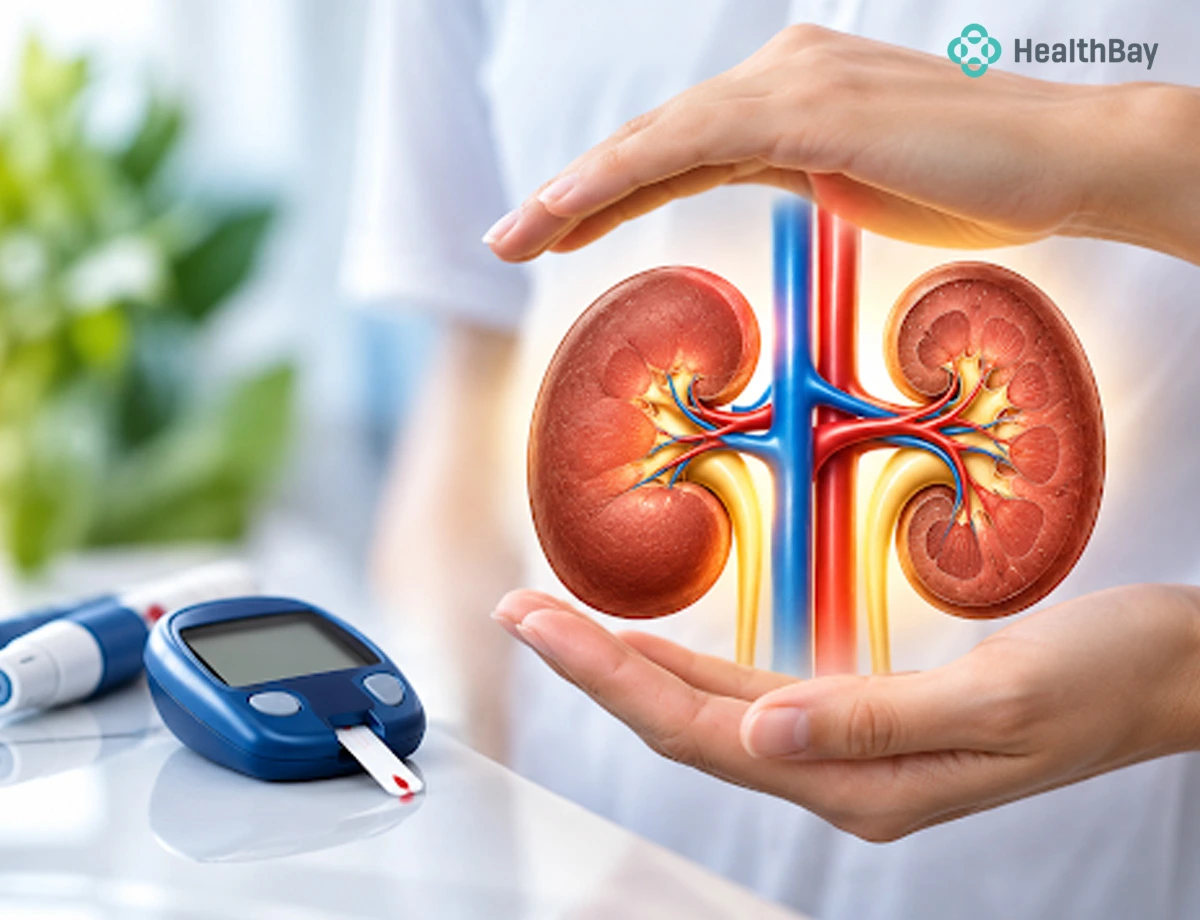
The kidneys contain millions of tiny blood vessels and filtering units called glomeruli. They filter waste and excess fluid from the blood while keeping important substances in the body.
Persistently high blood sugar can damage these delicate blood vessels over time. As the kidney filters become damaged, a protein called albumin may begin to leak into the urine.
If the underlying causes are not properly managed, kidney function may gradually decline.
The risk of kidney complications can be higher when diabetes occurs alongside conditions such as high blood pressure, high cholesterol or cardiovascular disease.
What Is Diabetic Kidney Disease?
Diabetic kidney disease, also called diabetic nephropathy, is kidney damage associated with diabetes.
It usually develops gradually. During the early stages, a person may have little or no noticeable symptoms, even when changes are already occurring in the kidneys.
As the condition progresses, kidney function can decline. Advanced kidney disease can have significant effects on overall health and may require specialized medical care.
This is why prevention and early detection are particularly important for people living with diabetes.
Warning Signs of Kidney Problems
Early diabetic kidney disease may not cause noticeable symptoms. Regular screening is therefore important even when you feel healthy.
As kidney function becomes impaired, possible symptoms can include:
- Swelling around the feet, ankles, hands or eyes
- Foamy or unusually frothy urine
- Changes in how often you urinate
- Persistent tiredness
- Loss of appetite
- Nausea
- Muscle cramps
- Itchy or dry skin
- Difficulty concentrating
- Shortness of breath in advanced cases
These symptoms can occur for many different reasons and do not necessarily indicate kidney disease. However, persistent or unexplained symptoms should be discussed with a healthcare professional.
How Is Diabetic Kidney Disease Detected?
Because early kidney damage may not produce symptoms, doctors use laboratory tests to monitor kidney health. If you have diabetes or are concerned about changes in kidney function, a nephrology evaluation can help identify potential problems early and guide appropriate follow-up.
Urine Albumin-to-Creatinine Ratio
The urine albumin-to-creatinine ratio (UACR) checks for albumin in the urine.
An elevated level can indicate that the kidney’s filtering system is allowing more protein to pass into the urine than it should.
Estimated Glomerular Filtration Rate
The estimated glomerular filtration rate (eGFR) is calculated from a blood test and provides an estimate of how effectively the kidneys are filtering waste from the blood.
Your doctor may use both UACR and eGFR to assess kidney health and monitor changes over time.
Who Is at Greater Risk?
People with diabetes may have a higher risk of kidney disease when other risk factors are present, including:
- Long-standing diabetes
- Consistently high blood glucose
- High blood pressure
- High cholesterol
- Smoking
- Excess body weight
- Family history of kidney disease
- Existing cardiovascular or kidney problems
Having these risk factors does not mean kidney disease is inevitable. Early screening and appropriate management can help reduce the risk of complications.
How to Protect Your Kidneys if You Have Diabetes
1. Manage Your Blood Sugar
Keeping blood glucose within the target range recommended by your healthcare professional can help reduce the risk of complications affecting the kidneys and other organs.
Monitor your blood sugar as advised and attend your scheduled medical reviews.
2. Keep Blood Pressure Under Control
High blood pressure can put additional strain on the kidneys. Regular blood pressure monitoring and appropriate treatment can help protect kidney function, particularly in people who have both diabetes and hypertension ,a combination our Hypertension & Diabetic Kidney Care programme is designed to manage.
3. Get Regular Kidney Screening
Do not wait for symptoms before checking your kidney health.
Depending on your diabetes type, duration and overall health, your healthcare professional may recommend regular UACR and eGFR testing.
4. Follow a Balanced Diet
A balanced diet can support blood sugar, blood pressure and cardiovascular health.
If kidney function is already reduced, dietary requirements may change. A doctor or qualified dietitian can recommend appropriate adjustments based on your individual needs.
5. Stay Physically Active
Regular physical activity can support healthy blood glucose levels, blood pressure and cardiovascular health.
Choose activities that are suitable for your fitness level and overall health.
6. Avoid Smoking
Smoking can damage blood vessels and increase the risk of cardiovascular and kidney complications.
If you smoke, speak with a healthcare professional about suitable smoking-cessation support.
7. Take Prescribed Medicines Correctly
Medicines may be prescribed to manage blood glucose, blood pressure or other risk factors.
Take them exactly as directed and speak with your doctor before stopping or changing a medication.
8. Be Careful With Painkillers
Frequent or prolonged use of certain pain medicines, including some non-steroidal anti-inflammatory drugs (NSAIDs), can affect kidney function in some people.
If you have diabetes or kidney problems, consult your doctor or pharmacist before regularly using over-the-counter pain medication.
Can Diabetic Kidney Disease Be Prevented?
Kidney complications cannot always be completely prevented, but several measures can reduce the risk of developing or worsening kidney disease.
These include:
- Maintaining healthy blood glucose levels
- Managing blood pressure
- Monitoring cholesterol when appropriate
- Maintaining a healthy weight
- Staying physically active
- Avoiding tobacco
- Taking prescribed medicines correctly
- Getting recommended kidney function tests
- Attending regular medical check-ups
Early identification of kidney changes gives your healthcare team an opportunity to investigate the cause and take appropriate steps to protect kidney function.
When Should You Consult a Doctor?
People with diabetes should maintain regular medical follow-up even when they feel well.
Contact a healthcare professional if you experience:
- Persistent swelling in the legs, ankles or around the eyes
- Persistent foamy urine
- Noticeable changes in urination
- Unexplained or persistent fatigue
- Ongoing nausea or loss of appetite
- Changes in blood pressure
- Abnormal kidney test results
Severe symptoms such as significant breathing difficulty, confusion, chest pain or a major reduction in urine output require prompt medical attention.
Frequently Asked Questions
Diabetes is a major risk factor for chronic kidney disease, and advanced kidney damage can eventually lead to kidney failure. Early detection and appropriate treatment can help reduce the risk of progression.
Yes. The risk of kidney complications generally increases the longer a person has diabetes, particularly when blood glucose levels have been difficult to control.
Yes. As kidney function declines, the way the body processes insulin and certain diabetes medicines can change. This may affect blood glucose levels and sometimes requires adjustments to diabetes treatment.
People with diabetes and normal kidney function can generally follow a balanced diabetes-friendly eating pattern. A restrictive kidney diet is not usually necessary unless kidney disease or another condition requires it.
Diabetes-related kidney damage can affect both kidneys because the condition involves changes to the body’s blood vessels and filtering systems rather than an isolated injury to one kidney.
For people who are overweight or have obesity, achieving a healthy amount of weight loss may improve several factors associated with kidney health, including blood glucose and blood pressure. The appropriate approach varies between individuals.
Yes. Damage to the kidney’s filtering system can allow proteins such as albumin to pass into the urine. Persistent protein leakage can be an important indicator of kidney damage.
Kidney complications can occur in people with type 2 diabetes, particularly when other risk factors are present. Because early disease may be silent, routine assessment is important.
Severe dehydration can place stress on the kidneys. High blood sugar can also increase urination and contribute to fluid loss, making adequate hydration important unless a doctor has advised fluid restriction.
Yes. A person may feel well and have apparently stable diabetes while early kidney changes are developing. Regular kidney assessments can help identify problems that may not cause noticeable symptoms.
Get the Right Care for Your Kidney Health
Diabetes-related kidney damage can develop gradually and may remain unnoticed for years. This makes early screening, blood sugar management and blood pressure control important for protecting kidney function.
Paying attention to potential warning signs is helpful, but waiting for symptoms is not the best way to monitor kidney health. Regular urine and blood tests can identify changes earlier, allowing your healthcare team to take appropriate action.
If you have diabetes, make kidney health part of your routine healthcare plan. Small, consistent steps today can help support better kidney health in the future.
Schedule an appointment for personalized diabetes and kidney care.
Book an Appoinment


