






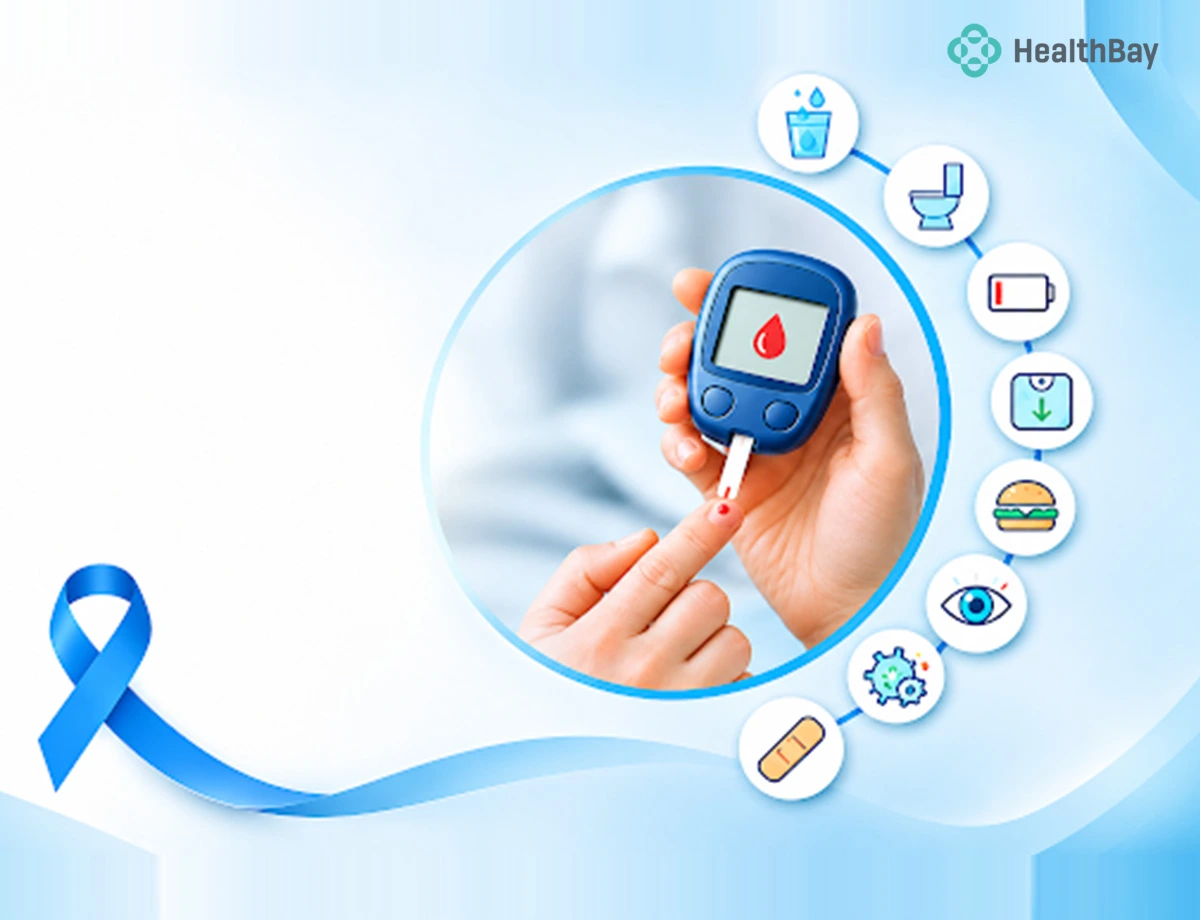
World Diabetes Day 2026: Early Signs of Diabetes You Should Never Ignore
Early signs of diabetes may include increased thirst, frequent urination, unusual hunger, persistent tiredness, unexplained weight loss, blurred vision and recurring infections. Some people, particularly those developing Type 2 diabetes, may not experience noticeable symptoms initially. Recognising these changes and seeking timely medical evaluation can help identify elevated blood sugar levels and reduce the risk of complications.
Diabetes can develop without obvious symptoms, making early detection challenging. Increased thirst, frequent urination and persistent tiredness may indicate elevated blood sugar. According to the WHO, many people remain undiagnosed because symptoms can be mild or unnoticed.
Observed on November 14, World Diabetes Day 2026, with the theme Early Action on Diabetes, highlights the importance of recognising warning signs, seeking timely medical advice and taking proactive steps towards better health.
Why Does Early Diabetes Awareness Matter?
Recognising possible symptoms early can encourage people to seek blood glucose testing before the condition progresses or complications develop.
Early awareness helps to:
- Identify possible diabetes symptoms before they become severe.
- Encourage appropriate blood glucose screening.
- Improve awareness of personal risk factors.
- Support timely medical evaluation.
- Reduce the risk of long-term health complications through appropriate care.
What Are the Early Signs of Diabetes You Should Never Ignore?
Diabetes affects how the body regulates and uses glucose (blood sugar). When blood glucose levels remain elevated, different body systems can be affected, resulting in symptoms that may initially seem unrelated.
Here are some common warning signs to pay attention to.
1. Feeling Thirsty More Often Than Usual
Increased thirst, also known as polydipsia, is one of the common signs of elevated blood sugar.
When glucose levels become too high, the kidneys work to remove excess glucose through urine. This can increase fluid loss and make you feel thirsty more frequently.
If you constantly need water despite drinking enough fluids, particularly alongside frequent urination, consider seeking medical advice.
2. Frequent Urination, Especially at Night
Frequent urination, medically known as polyuria, can occur when excess glucose in the bloodstream causes the kidneys to produce more urine.
You may notice:
- Visiting the bathroom more frequently during the day.
- Waking up several times at night to urinate.
- Passing larger amounts of urine than usual.
- Experiencing increased thirst alongside frequent urination.
Although several conditions can cause frequent urination, persistent changes should be medically evaluated.
3. Feeling Tired Even After Adequate Rest
Persistent tiredness or fatigue can sometimes be associated with elevated blood glucose levels.
When the body cannot use glucose effectively for energy, you may experience unusual tiredness, reduced concentration or difficulty maintaining your usual daily activities.
If fatigue continues despite adequate sleep and rest, it is worth discussing the symptoms with a healthcare professional.
4. Unexplained Weight Loss
Unexpected weight loss without changes in diet or physical activity can sometimes be an early sign of diabetes.
When the body cannot use glucose effectively, it may begin breaking down stored fat and muscle for energy. This can result in weight loss even when you are eating normally.
Unexplained weight loss accompanied by increased thirst and frequent urination requires prompt medical evaluation.
5. Increased Hunger Despite Eating Regularly
Feeling hungry shortly after meals may sometimes be associated with problems in how the body uses glucose.
When glucose cannot enter cells effectively, the body may not receive sufficient energy from food, contributing to increased hunger.
Persistent or unusual hunger, particularly when accompanied by other symptoms, should not be overlooked.
6. Blurred Vision or Changes in Eyesight
Changes in blood glucose levels can affect fluid balance in the eye, potentially causing temporary changes in the shape of the lens and resulting in blurred vision.
You may experience:
- Difficulty focusing on nearby or distant objects.
- Blurred vision that changes throughout the day.
- Difficulty reading or viewing screens comfortably.
Sudden vision changes should be assessed promptly rather than automatically attributed to diabetes.
7. Recurrent Skin and Urinary Tract Infections
Persistently elevated blood glucose can affect the body’s ability to manage infections.
Some people may experience recurring:
- Urinary tract infections (UTIs).
- Fungal or yeast infections.
- Skin infections.
- Genital itching associated with fungal infections.
Repeated infections, especially when accompanied by other possible diabetes symptoms, may warrant blood glucose testing.
8. Cuts and Wounds Taking Longer to Heal
Wounds that heal slowly can sometimes be associated with prolonged high blood sugar.
Diabetes may affect circulation, nerve function and the body’s ability to repair damaged tissues. This can make minor cuts, blisters and skin injuries more difficult to heal.
Pay attention to wounds that remain open, become increasingly red or swollen, or show signs of infection.
Can You Have Diabetes Without Experiencing Any Symptoms?
Yes. A person can have diabetes without noticing obvious symptoms, particularly during the early stages of Type 2 diabetes.
Unlike conditions that produce immediate discomfort, Type 2 diabetes can develop gradually. Blood glucose levels may remain elevated for an extended period before noticeable symptoms appear.
Why Can Type 2 Diabetes Go Undetected for Years?
Type 2 diabetes develops when the body becomes less responsive to insulin or cannot produce enough insulin to maintain normal blood glucose levels.
In its early stages:
- Symptoms may be mild or difficult to recognise.
- Increased thirst or urination may be attributed to other causes.
- Tiredness may be mistaken for stress or inadequate sleep.
This is why appropriate screening is important, particularly for people with recognised risk factors.
Does Type 1 Diabetes Develop Differently from Type 2 Diabetes?
Yes. Type 1 and Type 2 diabetes have different underlying causes and patterns of development.
Type 1 diabetes occurs when the immune system attacks the insulin-producing cells in the pancreas. Symptoms can develop relatively quickly and may become severe.
Type 2 diabetes develops when the body becomes resistant to insulin or does not produce enough insulin. Symptoms generally develop more gradually and may remain unnoticed.
Both conditions require medical diagnosis and appropriate care.
Can Prediabetes Exist Without Noticeable Warning Signs?
Yes. Prediabetes refers to blood glucose levels that are higher than normal but not high enough to meet the diagnostic criteria for diabetes.
Most people with prediabetes do not experience obvious symptoms. Blood testing is therefore important for identifying the condition and assessing the risk of developing Type 2 diabetes.
Who Is at a Higher Risk of Developing Diabetes?
Although diabetes can affect people from different backgrounds and age groups, certain factors can increase the likelihood of developing the condition.
1. Family History of Diabetes
Having a parent or sibling with Type 2 diabetes can increase your risk due to shared genetic and lifestyle factors.
2. Overweight and Obesity
Excess body weight, particularly around the abdomen, can contribute to insulin resistance and increase the risk of Type 2 diabetes.
3. Physical Inactivity and Sedentary Habits
Limited physical activity can affect how effectively the body uses insulin and regulates blood glucose.
4. History of Gestational Diabetes
Women who experienced diabetes during pregnancy have a higher risk of developing Type 2 diabetes later in life.
5. Polycystic Ovary Syndrome (PCOS)
PCOS is associated with insulin resistance in some women, which can increase the risk of developing Type 2 diabetes.
6. Increasing Age and Other Metabolic Risk Factors
The risk of Type 2 diabetes generally increases with age. High blood pressure, abnormal cholesterol levels and a history of prediabetes can also contribute to overall metabolic risk.
When Should You Get Checked for Diabetes?
You should consider medical evaluation if you experience persistent symptoms such as increased thirst, frequent urination, unexplained weight loss or unusual tiredness.
Testing may also be recommended if you have a family history of diabetes, previous gestational diabetes, PCOS or other recognised risk factors.
Should You Get Tested If You Have No Symptoms?
Yes. The absence of symptoms does not rule out diabetes.
Healthcare professionals may recommend screening based on your age, medical history, weight, family history and other risk factors.
Regular assessment can help identify abnormal blood glucose levels before noticeable symptoms develop.
What Are the Common Tests Used to Check Blood Sugar?
Doctors use different blood tests to assess glucose levels and help diagnose diabetes.
1. Fasting Plasma Glucose Test
This test measures blood glucose after fasting for at least eight hours. It helps assess the amount of glucose present in the bloodstream without the immediate influence of food.
2. HbA1c Test
The HbA1c test measures average blood glucose levels over approximately the previous three months. It helps identify elevated glucose levels over time.
3. Oral Glucose Tolerance Test (OGTT)
This test measures how the body responds to a measured glucose drink. Blood glucose is checked before and after consuming the drink.
4. Random Blood Glucose Test
This test measures blood glucose at any time of the day, without requiring fasting. It may be used when someone has typical symptoms of elevated blood sugar.
The appropriate test depends on individual circumstances. In people without unequivocal symptoms, abnormal results generally need confirmation before a diabetes diagnosis is made.
Why Is Early Medical Evaluation Important?
Identifying elevated blood glucose levels early allows healthcare professionals to assess the underlying condition and recommend appropriate care.
Timely evaluation can help:
- Confirm whether symptoms are associated with diabetes.
- Identify prediabetes or diabetes.
- Assess the need for further investigations.
- Establish an appropriate care plan.
- Monitor other health factors that may increase the risk of complications.
What Are the Warning Signs of a Diabetes-Related Emergency?
Certain symptoms can indicate dangerously high blood glucose levels or a serious complication called diabetic ketoacidosis (DKA).
DKA occurs when the body does not have enough insulin and begins breaking down fat for energy, producing substances called ketones.
1. Persistent Nausea, Vomiting and Abdominal Pain
Ongoing nausea, vomiting or abdominal discomfort can occur during DKA and should not be ignored when accompanied by other warning signs.
2. Deep or Rapid Breathing
Unusual deep or rapid breathing may indicate that the body is trying to compensate for increased acidity in the blood.
3. Fruity-Smelling Breath
A fruity or acetone-like smell on the breath can be associated with ketone accumulation.
4. Severe Dehydration, Drowsiness or Confusion
Severe thirst, dry mouth, weakness, drowsiness or confusion can indicate a serious medical problem.
Important: If these symptoms occur, seek emergency medical attention immediately. Do not wait for a routine appointment or attempt to manage a suspected emergency at home.
How Can You Reduce Your Risk of Type 2 Diabetes?
Although some risk factors cannot be changed, healthy lifestyle habits can help reduce or delay the risk of developing Type 2 diabetes.
1. Follow a Balanced and Nutritious Diet
Include vegetables, fruits, whole grains, legumes and other nutrient-rich foods in your daily meals. Limit excessive consumption of sugary drinks, highly processed foods and foods high in added sugar.
2. Maintain a Healthy Body Weight
Maintaining a healthy weight can improve insulin sensitivity and support better metabolic health. Even modest, sustained weight reduction may benefit people who are overweight and at increased risk.
3. Include Regular Physical Activity
Activities such as walking, cycling, swimming and strength exercises can help the body use glucose more effectively.
Aim for at least 150 minutes of moderate-intensity physical activity each week, if medically appropriate.
4. Monitor Your Blood Sugar When Recommended
If you have prediabetes or other risk factors, follow your healthcare professional’s advice regarding blood glucose screening and monitoring.
5. Attend Regular Health Checkups
Routine medical assessments can help identify changes in blood glucose, blood pressure and cholesterol levels.
6. Follow Medical Advice for Existing Health Conditions
Managing conditions such as high blood pressure, abnormal cholesterol and PCOS can form part of a broader approach to reducing metabolic risk.
FAQs
Common early signs include increased thirst, frequent urination, unusual hunger, persistent fatigue, unexplained weight loss and blurred vision. However, some people may not experience noticeable symptoms.
Yes. Type 2 diabetes can develop gradually without obvious symptoms. Routine blood glucose testing can help identify the condition, particularly in people with risk factors.
No. Frequent urination can be associated with diabetes, urinary tract infections, certain medications and other health conditions. Persistent symptoms should be evaluated by a healthcare professional.
Yes. Unexplained weight loss can occur when the body cannot use glucose effectively for energy. If it occurs alongside increased thirst or frequent urination, seek medical advice.
Prediabetes means blood glucose levels are higher than normal but below the diabetes range. Diabetes occurs when blood glucose reaches diagnostic levels. Both require appropriate medical guidance and monitoring.
Common tests include the fasting plasma glucose test, HbA1c test and oral glucose tolerance test (OGTT). A doctor will recommend the appropriate test based on your symptoms and medical history.
Yes. Diabetes can affect people of different body weights. Family history, genetics, age and other metabolic factors can influence the risk of developing the condition.
Consider consulting an endocrinologist if you experience persistent symptoms such as unusual thirst, frequent urination or unexplained fatigue, or if your blood glucose test results are abnormal. Early medical evaluation can help determine the appropriate next steps.
Recognise the Signs and Take Action Early
Diabetes does not always produce obvious symptoms, which is why small changes in your health should not be overlooked. Increased thirst, frequent urination, persistent tiredness, blurred vision and unexplained weight loss may indicate elevated blood glucose and deserve appropriate medical attention.
World Diabetes Day 2026 reinforces the importance of early action through awareness, timely diagnosis and access to appropriate healthcare. Understanding your risk factors, attending recommended health checks and seeking medical advice when symptoms appear can support better long-term health.
You do not have to wait until symptoms become severe to take your health seriously. Recognising the signs and acting early can make an important difference.
Prioritise Your Diabetes Health with Expert Guidance
Recognising the early signs of diabetes can help you take timely steps towards better health. If you are experiencing unusual thirst, frequent urination, persistent fatigue or other concerning symptoms, consider a professional medical assessment.
At HealthBay, Dubai, our Endocrinology team offers comprehensive evaluation and personalised guidance for diabetes and other metabolic health concerns.
Concerned About Your Blood Sugar Levels? Book an Appointment with HealthBay’s Endocrinology Team Today.
Book an Appoinment


