







Breast Cancer Awareness Month 2026: Your Guide to Screening and Prevention
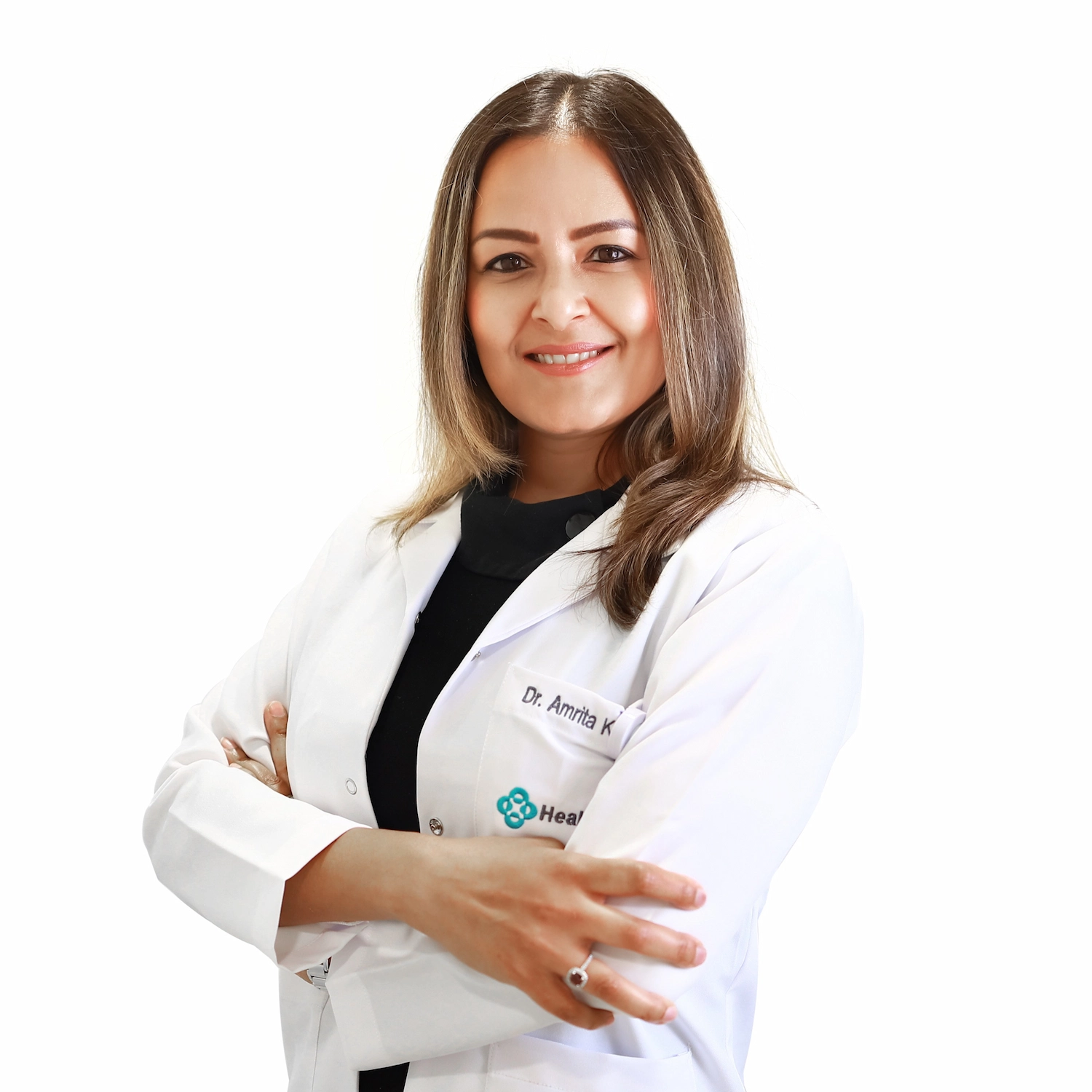
Reviewed by
Dr. Amrita Kumar
Consultant Breast Interventional Radiologist & AI Implementation Lead
Every October, Breast Cancer Awareness Month highlights the importance of breast health, early detection and preventive care. In Dubai and across the UAE, it encourages women to understand their risk and seek appropriate screening.
The 2026 theme, “Every story is unique, every journey matters,” emphasises timely diagnosis, quality care and support for those affected by breast cancer. Although not all cases can be prevented, understanding risk factors, following screening recommendations and adopting healthy habits can help protect your health. This guide covers screening options, risk factors and practical prevention tips.
Why Breast Cancer Awareness Month 2026 Matters
Breast cancer is the most commonly diagnosed cancer in women worldwide, and the UAE is no exception. The encouraging news is that outcomes depend heavily on timing. When breast cancer is found at an early stage, before it has spread beyond the breast, five-year survival rates are above 90%, and treatment is usually less intensive.
Yet many women delay screening because they feel well, are busy, or are anxious about the result. Screening exists precisely for this reason. It is designed to find cancer before any symptom appears, when it is smallest and most treatable. Awareness Month is a good prompt to book the appointment you have been postponing.
Breast Cancer Screening Guide: Who Should Be Screened and When
Screening means testing women who have no symptoms. It is different from a diagnostic work-up, which is used when there is a lump, pain, nipple change or another concern. Under the Dubai Health Authority (DHA) periodic health screening guideline, women aged 40 and over are advised to have a mammogram every two years. Women at higher risk may need to start earlier and be screened more often.
The table below summarises a typical approach. Your own plan should always be confirmed by a doctor who knows your history.
| Group | Who this includes | Typical screening approach |
|---|---|---|
| Average risk | Women aged 40 and over with no symptoms and no strong family history | Screening mammogram, usually every 2 years under the DHA guideline. Some doctors advise yearly screening, so confirm your interval. |
| Dense breast tissue | Women whose mammogram shows dense tissue, which can hide small changes | 3D mammography, often with a supplementary breast ultrasound, as advised by your radiologist. |
| Higher risk | Women with a close relative diagnosed with breast cancer, a known gene change such as BRCA1 or BRCA2, previous chest radiation, or a past biopsy showing atypical cells | A formal risk assessment, earlier start, often yearly imaging and sometimes breast MRI in addition to mammography. |
| Under 40, no risk factors | Younger women with no symptoms and no family history | Monthly breast awareness and a clinical breast examination during routine check-ups. Imaging only if symptoms or risk factors appear. |
If you are unsure which row describes you, a good first step is a consultation and risk assessment. Many women include a breast check in a wider female wellness check-up health package so that screening does not become a separate errand.
Breast Screening Tests Explained: Mammogram, Ultrasound and MRI
No single test suits every woman. Radiologists choose the right test, or combination of tests, based on age, breast density and risk. Here is what each one does.
Mammogram (2D and 3D)
A mammogram is a low-dose X-ray of the breast and remains the main screening test worldwide. A 3D mammogram (tomosynthesis) takes images from several angles and builds them into thin slices. This gives the radiologist a clearer view through overlapping tissue, which is particularly helpful when breasts are dense. The scan itself takes only a few minutes, and the brief compression is the part most women find uncomfortable. If you are curious about how technology supports image reading, our article on AI-enabled mammogram services explains it in detail.
Breast ultrasound
Ultrasound uses sound waves rather than radiation. It is not a replacement for mammography in routine screening, but it is very useful alongside it, especially in women with dense tissue or when a specific area needs a closer look. Dedicated breast ultrasound with elastography adds information about how firm a finding is, which helps doctors judge whether it needs further testing.
Breast MRI
Magnetic resonance imaging is the most sensitive imaging option. It is generally reserved for women at higher risk, for problem-solving when other tests are unclear, and for planning treatment. A breast MRI does not use radiation, but it is not recommended as a routine test for average-risk women because it can raise more false alarms.
Clinical breast examination
A doctor or trained nurse examines the breasts and underarm area by hand. It complements imaging, particularly for women under 40 who are not yet due for a mammogram.
How to prepare for your screening appointment
A little preparation makes the visit smoother. Avoid deodorant, powder or lotion on your underarms and chest that day, as they can show up on images. Wear a two-piece outfit so you only need to undress from the waist up. Bring any previous mammograms or reports so the radiologist can compare them, and mention breast implants, past breast surgery or any symptoms before the scan begins. After the images are reviewed, the team will explain your result and any next steps clearly.
Watch: Dr. Amrita Kumar Explains Why Early Screening Matters
Hear Dr. Amrita Kumar explain why early screening matters and how regular check-ups support better outcomes. Stay informed and take the next step towards timely, expert breast care.
Know Your Risk: Factors You Can and Cannot Change
Most women who develop breast cancer have no family history, and many women with risk factors never develop the disease. Risk is about probability, not destiny. Understanding it simply helps you and your doctor decide how closely to monitor your breast health.
Factors you cannot change include being female, increasing age, a family history of breast or ovarian cancer, inherited gene changes such as BRCA1 and BRCA2, early first period or late menopause, dense breast tissue, and previous radiation to the chest.
Factors you can influence include body weight, physical activity, alcohol intake, smoking, and the use of combined hormone replacement therapy after menopause.
If several close relatives have had breast or ovarian cancer, or if a relative was diagnosed at a young age, ask about a high-risk breast cancer screening assessment. It estimates your personal risk and builds a plan around it.
Breast Cancer Prevention: 8 Practical Ways to Lower Your Risk
No lifestyle change can guarantee that you will never develop breast cancer. However, research consistently links certain habits with a lower risk, and the same habits protect your heart, bones and mood. Consider these eight steps.
-
Keep a healthy weight. Carrying excess weight, especially after menopause, is linked with a higher risk because fat tissue produces oestrogen. Gradual, sustainable changes work better than crash diets.
-
Move your body most days. Aim for at least 150 minutes of moderate activity each week, such as brisk walking, swimming or cycling. In the UAE heat, indoor options and early-morning or evening walks make this easier to maintain.
-
Limit alcohol. Risk rises with the amount you drink, and there is no completely safe level. Less is better, and none is best if you are at higher risk.
-
Avoid smoking. Tobacco is linked to several cancers, and some studies suggest it raises breast cancer risk, particularly in younger women.
-
Choose a balanced, plant-rich diet. Vegetables, fruit, whole grains, legumes and healthy fats support a healthy weight and overall wellbeing. Limit ultra-processed foods and sugary drinks. A dietitian can help you build a plan that fits your lifestyle and cultural food preferences.
-
Breastfeed if you can. Breastfeeding, particularly for longer periods, is associated with a modest reduction in risk. It is a personal choice, and not being able to breastfeed is never a reason for guilt.
-
Review hormone therapy with your doctor. Combined hormone replacement therapy has been linked with a small increase in breast cancer risk. If you use it, discuss the lowest effective dose and the shortest suitable duration.
-
Understand your family history. Sharing your family history with your doctor opens the door to a tailored plan, and for women at very high risk, to risk-reducing options that a specialist can explain.
How Can You Take Action During Breast Cancer Awareness Month 2026?
Awareness becomes more meaningful when it leads to practical action. October is a useful opportunity to review your breast health and encourage others to access reliable medical information.
Review your screening history. Check when you last had breast imaging and whether you are due for another appointment according to your doctor’s recommendation.
Discuss your personal risk. Tell your healthcare provider about your family history, previous breast conditions and other relevant medical information.
Ask questions about screening options. If you have dense breast tissue or increased risk, ask whether additional imaging or specialist assessment is appropriate.
Share reliable health information. Encourage family members and friends to use trusted healthcare resources rather than relying on unverified claims.
Support people affected by breast cancer. Listen without judgement, respect personal choices and offer practical assistance when appropriate.
Follow up on previous findings. If a healthcare professional has recommended further testing, make sure you understand the next steps and arrange the necessary appointment.
These actions can help turn Breast Cancer Awareness Month into a practical reminder to prioritise preventive healthcare throughout the year.
FAQs
Breast Cancer Awareness Month takes place from 1 October to 31 October 2026. The World Health Organization’s campaign theme is “Every story is unique, every journey matters,” highlighting the importance of timely diagnosis, quality care and support.
No. There is no guaranteed way to prevent breast cancer. Maintaining a healthy weight, staying physically active, avoiding alcohol and understanding personal risk may help reduce certain risk factors. Appropriate screening and timely medical assessment remain important.
The recommended starting age depends on applicable local guidance, your personal risk and medical history. Women at average risk and those at increased risk may have different screening schedules. Consult a qualified healthcare professional to determine when you should begin screening.
Eligible individuals may benefit from routine screening even when they have no symptoms. Mammography can identify certain abnormalities before they become noticeable. Your healthcare provider can advise you on the appropriate schedule.
No. A family history may increase risk, but it does not mean that breast cancer is inevitable. Your doctor can review your family history and determine whether genetic counselling or additional screening is appropriate.
These tests serve different purposes. Mammography is an established breast cancer screening method, while ultrasound may be used to investigate a finding or provide additional information in selected circumstances. The appropriate test depends on your clinical situation.
No. Seek medical advice promptly if you notice a new or unusual breast change, even if you recently had a normal mammogram or are younger than the usual screening age. Your doctor can determine whether diagnostic assessment is necessary.
Yes. Although breast cancer risk generally increases with age, younger women can also develop the condition. Anyone who notices unusual breast changes should seek medical advice promptly.
Make Breast Health a Priority This October
Breast Cancer Awareness Month 2026 is a reminder that informed decisions, appropriate screening and timely medical advice all have a role in breast health. While prevention cannot eliminate every risk, understanding your personal circumstances can help you make better decisions about screening and long-term wellbeing.
If you live in Dubai and would like guidance on appropriate breast screening, risk assessment or further evaluation, consult a qualified healthcare professional.
Book a consultation with HealthBay Clinic’s Breast Care Center to discuss your breast health and determine the next steps suited to your needs.
Book an Appoinment


